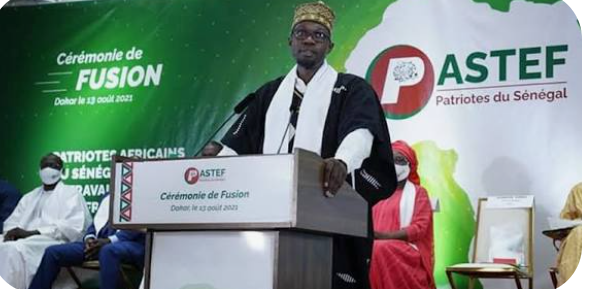
In Senegal, the Pastef party is undergoing a strategic overhaul of its internal framework, spearheaded by its president Ousmane Sonko. This bold initiative aims to enhance the party’s institutional resilience, ensuring it meets the evolving demands of modern political leadership.
The sweeping reforms touch every layer of the party’s structure, from top-tier leadership to grassroots operational units. Key changes include fresh leadership appointments, a clearer division of roles, and a sharper definition of responsibilities across all party bodies.
What’s Changing Inside Pastef?
With these adjustments, Pastef is focusing on three core improvements:
- Stronger operational efficiency: Streamlining decision-making and execution to avoid bottlenecks and delays.
- Enhanced national coordination: Ensuring every regional and local branch aligns with the party’s central strategy.
- Future-ready political infrastructure: Building a more agile and responsive organization capable of handling upcoming electoral challenges.
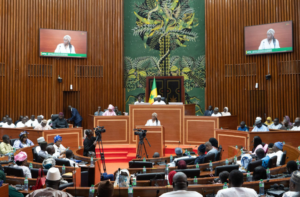
This restructuring comes at a pivotal moment in Senegal’s political landscape, where parties are under pressure to adapt to shifting public expectations and intensify their role in national debates.
Why This Reform Matters
For political analysts, Sonko’s move signals a push toward modernization within Senegal’s party system. By refining its internal processes, Pastef aims to boost transparency, strengthen member engagement, and project a more professional image on the national stage. The initiative reflects a broader trend among Senegalese political organizations to evolve beyond traditional structures and embrace governance models that resonate with today’s voters.
The overhaul could also help Pastef solidify its position as a leading voice in Senegal’s political arena, reinforcing trust among supporters and attracting new adherents.