N’Djamena fires back at Niger over unproven strike allegations
Chad has forcefully denied any involvement in a reported air strike against Niger, warning that unverified accusations risk poisoning relations between the two nations. The government in N’Djamena has gone on the offensive, demanding concrete evidence to back up Niamey’s claims and accusing local armed groups of exploiting border weaknesses to launch cross-border attacks.
Government spokesman delivers sharp rebuttal to Niger’s accusations
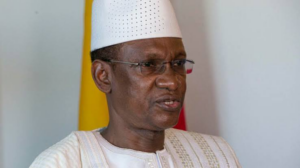
In a statement that left no room for ambiguity, government spokesperson Minister Gassim Chérif Mahamat stated that Chad categorically rejects all allegations of direct or indirect participation in any military operation against Niger. The minister emphasized that serious accusations of this nature require verified, transparent evidence—not mere assertions—to be taken seriously. N’Djamena has repeatedly called on Niamey to release the technical and material details supporting its claims, stressing that public allegations alone cannot substantiate state responsibility.
The spokesperson went further, pointing out that Chad had previously alerted Niger about the movement of armed rebel factions operating from its territory. These warnings, delivered over several years, highlight a persistent security vulnerability that both countries have struggled to contain.
What evidence does Niger claim to possess?
While Niamey has not yet released detailed evidence publicly, officials have mentioned the existence of “material and technical elements” supporting their accusations. Chad, however, insists that such claims must be made available for independent verification to prevent further damage to bilateral trust. Without access to these materials, N’Djamena argues, the accusations remain speculative and risk inflaming tensions unnecessarily.
The Chadian government has framed transparency as non-negotiable. In its view, only through verifiable facts can the truth behind the alleged strike be established—and only then can both nations move past speculation that threatens regional stability.
Cross-border rebel groups add fuel to the fire
One of the central issues raised by Chad is the presence of armed rebel groups—allegedly operating from Nigerien soil—that have launched attacks into Chadian territory. Authorities in N’Djamena claim to have issued multiple warnings to Niamey over the past four years about this security threat. While these concerns predate the current allegations, they underscore the fragile nature of security cooperation between the two neighbors.
The Chadian government has framed the strike accusations as part of a broader pattern of instability fueled by unaddressed border security challenges. By tying the strike allegations to the rebel group issue, N’Djamena appears to be shifting the conversation toward systemic security failures that both countries must address collaboratively.
Can diplomacy cool tensions or will accusations escalate?
At its core, this dispute hinges on whether claims and counterclaims can be resolved through dialogue rather than escalation. Chad’s firm denial and insistence on proof reflect a broader strategy: refuse to accept blame without substantiation and redirect attention to the real security threats affecting both nations.
The next move rests with Niamey. Will it provide the evidence demanded by Chad? Or will the lack of transparency allow the dispute to fester, risking further damage to bilateral relations and regional security? So far, N’Djamena has drawn its line in the sand: no involvement in the strike, but a clear call for truth and accountability.
A transparent exchange of verified information may be the only way to prevent these unproven allegations from spiraling into a full-blown diplomatic crisis—one that neither country can afford in an already volatile Sahel region.