From Scandinavia to the Gulf, governments are urging citizens to build emergency reserves—a clear sign that geopolitical tensions are reshaping daily life. No longer confined to natural disasters, stockpiling food, water and medicines has become a strategic necessity as conflicts, sabotage and cyber threats loom over global supply chains.
The domino effect of regional conflicts on household essentials
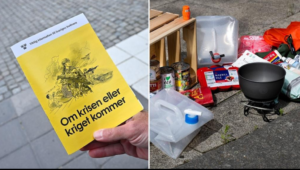
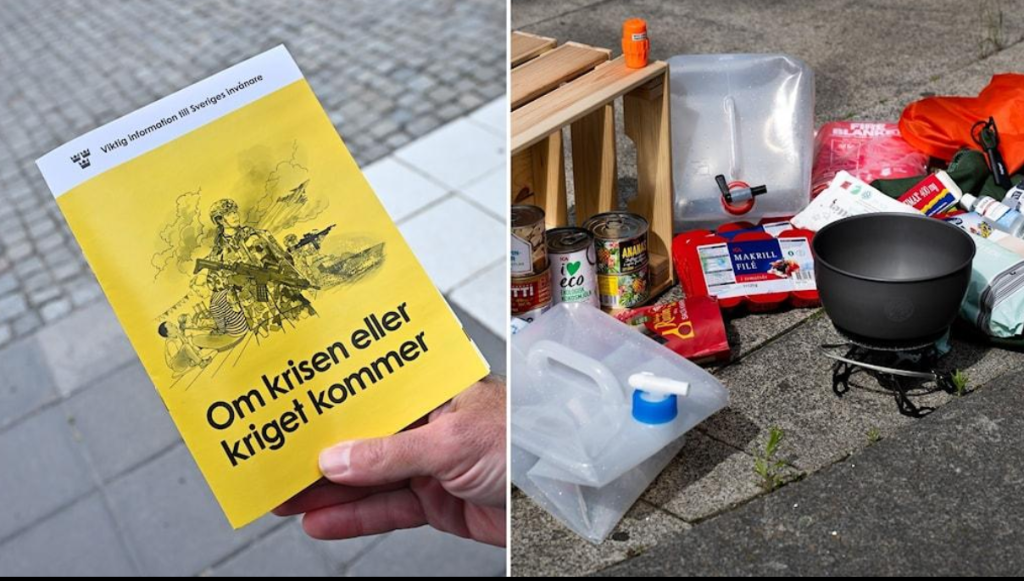
Europe’s response has been swift. After years of relative stability, several nations now recommend households maintain at least 72 hours of supplies. London’s emergency guidelines highlight water, non-perishable food, first-aid kits and cash—all precautions against blackouts, transport disruptions or cyberattacks crippling infrastructure. Similar initiatives are underway in Finland, Sweden and the Baltics, where civil defense agencies are boosting grain reserves and reinforcing evacuation protocols.
The 2022 invasion of Ukraine exposed Europe’s vulnerability. A single conflict can paralyze energy grids, block trade routes and trigger cascading shortages far beyond front lines. Intelligence reports now warn that adversaries may test NATO cohesion through covert operations—cyber strikes, sabotage or targeted infrastructure attacks designed to stay below the threshold of open war. These scenarios underscore why governments emphasize household readiness: when critical services falter, every extra hour of self-sufficiency buys time for authorities to restore order.
Middle East flashpoints ripple through global markets
The Gulf’s delicate stability faces new pressures. After recent military escalations involving Iran, countries like the United Arab Emirates have reported missile incursions and drone incursions near key economic zones. While disputed, these incidents reveal how regional conflicts can directly imperil oil terminals, shipping lanes and power plants—sectors that underpin the global economy.
For residents, the stakes extend beyond security. A prolonged shutdown of ports or refineries can trigger fuel shortages, spike grocery prices or disrupt medical supply chains. Stockpiling medications or non-perishable food is no longer just personal prudence; it’s a buffer against systemic shocks that ripple across continents.
Asia’s shifting alliances heighten global volatility
The October 2026 opening of a major China–North Korea border crossing has intensified geopolitical watchers’ concerns. Combined with Pyongyang’s deepening military ties to Moscow, this alliance reshaping raises questions about coordinated crises spanning multiple theaters. Though no immediate offensive is forecast, the alignment itself amplifies uncertainty—especially for neighbors reliant on stable shipping lanes and energy imports.
From guidelines to personal responsibility: navigating the new normal
The NATO alliance’s September 2026 resilience requirements reflect a broader shift in crisis management philosophy. Governments now prioritize energy security, food stocks and communications continuity—recognizing that societies must endure temporary ruptures without collapsing. For families, this translates to practical steps: a week’s water reserve, battery-powered devices and a clear emergency plan.
Framing this shift solely as fear misses the point. It’s about empowerment. Knowing you can weather three days without grid power or supermarket access reduces panic when headlines worsen. It’s also about collective resilience: fewer panicked shoppers at dawn clear shelves, and households with backups ease pressure on relief services during the critical first 72 hours of a disruption.
In an era where geopolitics disrupts dinner tables thousands of miles away, the humble household stockpile becomes a quiet declaration of preparedness. It’s not surrender to worst-case scenarios—it’s the recognition that readiness is a shared responsibility between citizens and institutions in an unpredictable world.