When a foreign national was beaten to death by a mob in the heart of Durban on a late October evening, the brutal act sent shockwaves through South Africa—and beyond. The incident has ignited fierce debate not only about the safety of migrants in the country but also about the economic and social costs of unchecked xeno-violence. As Pretoria faces mounting pressure to act, the question lingers: can the government halt the tide of mob justice before it claims more lives and destabilizes the region?
From mob brutality to continental alarm
The murder of a migrant in Durban has drawn sharp condemnation from the African Union’s human rights body, which warns that repeated acts of xeno-violence could rise to the level of crimes against humanity. The Commission on Human and Peoples’ Rights did not mince words in its statement, calling the killing an outrage and urging South Africa’s government to treat the fight against xenophobia as a national emergency.
The victim, a man in his 30s or 40s, was attacked by a crowd of around fifty people in broad daylight. According to police accounts, the assault occurred as the man stood near a busy roadway. He died at the scene from his injuries. While his nationality remains publicly undisclosed, the circumstances of the attack have drawn sharp criticism from human rights advocates who see a pattern of violence targeting foreigners in South Africa.
Why this single murder could reshape South Africa’s future
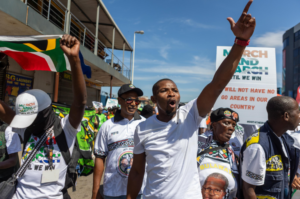
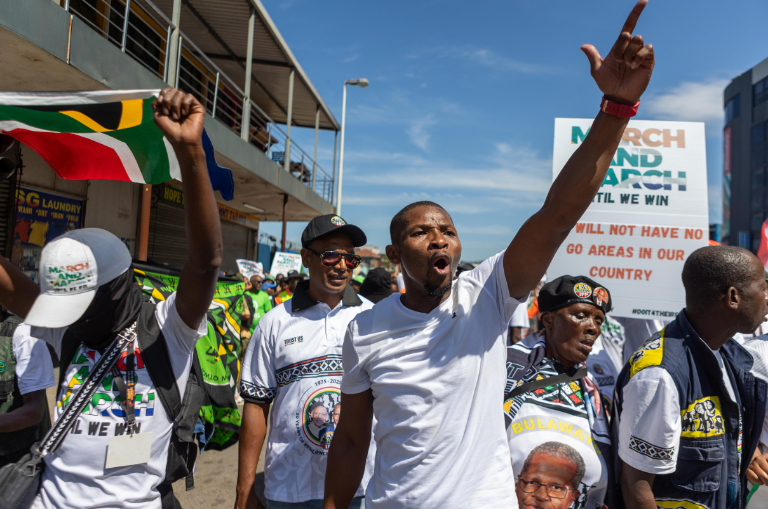
The killing is not an isolated incident. It comes amid a surge in anti-immigrant rhetoric and violent clashes in cities across South Africa, particularly in Durban, where protests against migrants have frequently escalated into looting, arson, and assaults. The unrest has deepened divisions in a country already struggling with high unemployment, strained public services, and deep economic inequality.
How economic frustration fuels violence
Many of the protesters blame migrants for taking jobs, driving down wages, and overburdening social services. While these frustrations are real, human rights groups argue that the blame cannot be placed on entire communities. “No group has the right to mete out vigilante justice,” stated a local advocate. “The rule of law must prevail, and those who take the law into their own hands must be held accountable.”
Pretoria’s dilemma: balancing immigration control and human rights
The South African government is now under intense scrutiny to balance two urgent priorities: tightening immigration policies while ensuring the safety of all residents—regardless of nationality. The African Union’s human rights body has made its stance clear: Pretoria must act decisively to prevent the repetition of such crimes, warning that failure to do so could normalize mob violence and erode public trust in the justice system.
The cost of inaction: what’s at stake for South Africa
If the government fails to hold perpetrators accountable, the cycle of violence could deepen. Already, reports suggest that anti-immigrant groups are emboldened, staging more frequent demonstrations and targeting migrant-owned businesses. The economic fallout is also significant—foreign-owned shops and services in Durban have been vandalized, disrupting local commerce and discouraging investment.
Durban’s descent into chaos: a city on edge
Durban, South Africa’s third-largest city, has become a flashpoint for tensions between locals and migrants. Violent protests have erupted over the past year, with crowds clashing with police and destroying property. The unrest has left businesses in ruins and residents fearful for their safety. Now, the murder of the migrant has intensified calls for stronger action from authorities.
Human rights organizations are demanding that Pretoria launch a transparent, impartial investigation into the killing. They argue that justice must be swift and decisive to send a message that mob violence will not be tolerated. But the challenge is daunting: how can the government restore order without fueling further resentment or violating constitutional rights?
Beyond South Africa: panafrican solidarity at risk
This tragedy is not just a South African issue—it threatens the very foundations of panafrican unity. For decades, countries across Africa stood in solidarity with South Africa during its struggle against apartheid. Today, however, migrants from neighboring nations face growing hostility on South African streets. The contradiction has not gone unnoticed.
The African Union’s human rights body has framed the issue as a crisis that demands a continental response. It calls on Pretoria to recognize that the safety of migrants is not just a domestic concern but a regional one. Failure to act could undermine decades of progress toward integration and cooperation among African nations.
What happens next? The path to justice and reconciliation
The coming weeks will be critical. Will Pretoria take bold steps to investigate the Durban murder and prosecute those responsible? Or will impunity prevail, emboldening further acts of violence? The African Union has made its position clear: the protection of human life cannot depend on nationality. For South Africa, the stakes are high—not just for its own stability, but for the future of panafrican solidarity.
As the nation grapples with these questions, one thing is certain: the murder in Durban must serve as a turning point. Without justice, the cycle of violence will continue. Without decisive action, the social fabric of South Africa—and the trust among African nations—could unravel beyond repair.