Accusations of terrorism exportation fuel Mali and Niger’s grievances against Algeria
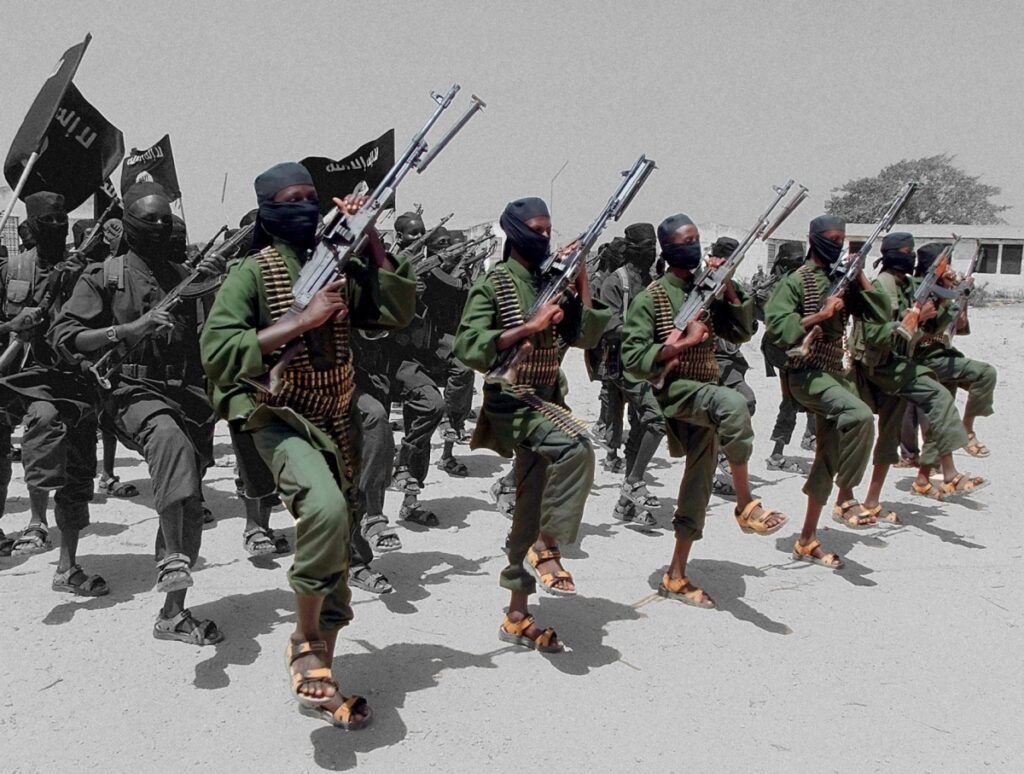
Mali and Niger have reignited long-standing claims that Algeria is actively fueling terrorism in the Sahel, citing evidence of sheltering, enabling, and indirectly sustaining armed factions operating south of its borders. Though Malian and Nigerien officials refrained from directly naming Algeria during a recent regional security forum in Senegal, their remarks mirrored prior criticisms from Bamako accusing Algiers of serving as a strategic and logistical hub for terrorist and separatist movements in northern Mali.
In a statement to Reuters, Mali’s Foreign Minister Abdoulaye Diop highlighted the presence of neighboring states that “are currently harboring terrorist groups, supporting terrorist groups, or frequently receiving hostile forces that carry out operations against us.”
Historical roots of Sahel terrorism linked to Algeria’s past conflicts
Security experts trace the origins of today’s Sahel insurgency to the aftermath of Algeria’s 1990s civil war. Following military defeats or forced displacements within Algeria, militant networks regrouped and migrated southward, avoiding eradication. Groups such as al-Qaeda in the Islamic Maghreb (AQIM) emerged from Algeria’s Salafist Group for Preaching and Combat (GSPC), itself a descendant of the Armed Islamic Group that opposed Algiers during the “Black Decade.” For years, these factions were led by Algerian operatives who relocated their operations into Mali and across the Sahara under domestic military pressure.
Reports have also surfaced about potential collusion between Algerian security forces and certain Sahel-based terrorist organizations.
Diplomatic escalation over Algeria’s alleged support for militants
Mali has formally condemned Algeria’s alleged backing of terrorism at the United Nations, including in official government statements and diplomatic correspondence issued after a sharp deterioration in relations last year. The dispute centers on northern Mali, where armed groups—both terrorist factions and Tuareg-led militias—have challenged the Malian state for over a decade. Bamako contends that these groups thrive due to porous borders and Algeria’s allegedly permissive stance toward militants operating along its southern frontier.
Last September, Mali’s Prime Minister Abdoulaye Maïga addressed the United Nations General Assembly, asserting that Algeria had shifted from a counterterrorism ally to an “exporter of terrorism” into the Sahel.
The tensions intensified in late March when Algerian forces shot down a Malian military drone near the border, an incident Mali described as a deliberate move to shield terrorist leaders targeted by Malian military operations.
In retaliation, Mali, Niger, and Burkina Faso jointly recalled their ambassadors from Algiers and released a joint statement accusing Algeria of backing terrorism. Niger, a key regional ally, has consistently sided with Mali in this dispute, with Nigerien authorities endorsing Bamako’s diplomatic response to the drone incident and expressing solidarity against Algerian-backed militant activities.
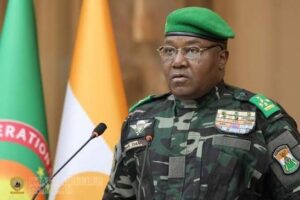
Niger’s military leader, General Abdourahamane Tiani, has previously accused multiple foreign governments of sponsoring attacks against Niger, reinforcing Niamey’s alignment with Mali in its confrontation with Algeria. The Sahel’s military regimes increasingly view Algiers as a destabilizing force in regional security dynamics.
A growing divide in West African security cooperation
The ongoing dispute underscores a widening rift in West African security politics. The region’s military leadership argues that terrorism cannot be effectively combated while neighboring states continue to engage in what they perceive as permissive or destabilizing behavior. This perspective highlights the broader challenge of regional unity in addressing shared security threats amid escalating mistrust and geopolitical friction.