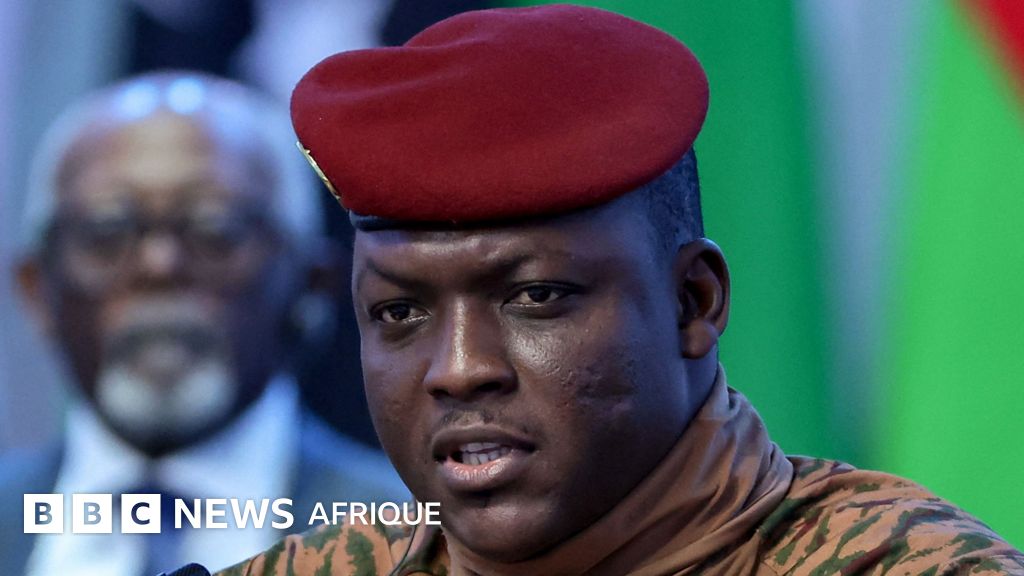
Burkina Faso’s military leader dismisses democracy as unsustainable
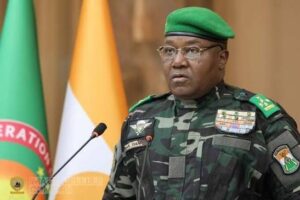
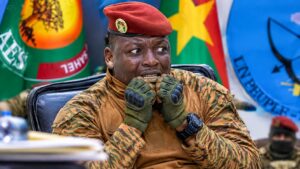
During a state television broadcast last Thursday evening, Burkina Faso’s military leader, Captain Ibrahim Traoré, declared that democracy was a failed system for the nation. Speaking to the public, he urged Burkinabé citizens to abandon the concept entirely, stating, « People must forget about democracy. It is not for us. »
Traoré, who seized power in a 2022 coup, had initially pledged to restore democratic rule by July 2024. However, just two months before the deadline, the military junta extended its rule by five years, citing the need for stability and reform.
The announcement follows the January ban on all political parties, framed as part of a broader effort to rebuild the state. Traoré has repeatedly criticized Burkina Faso’s political class, describing traditional politicians as « liars, flatterers, and deceivers » who embody corruption. He has not outlined a clear alternative system but insists Burkina Faso must forge its own path, free from Western influence.
Traoré’s rhetoric has resonated across Africa, where he positions himself as a champion of anti-imperialism. He cited Libya as an example of what he called the dangers of imported democracy, pointing to the country’s collapse following Western intervention and the fall of Muammar Gaddafi in 2011. Since then, Libya has remained mired in conflict, with no functioning elections and rival governments vying for control.
The Burkinabé leader has also emphasized the importance of economic and military sovereignty, advocating for long working hours and collective mobilization to accelerate national development. His government has suppressed dissent by targeting opposition figures, civil society groups, and media outlets, with critics alleging that opponents are sent to the front lines of the fight against Islamist militants.
Despite the repression, Traoré has gained significant support, particularly among young Africans, for his uncompromising stance against Western interference. His alignment with neighboring juntas in Mali and the Niger has led to a regional shift away from cooperation with France and other Western allies in the fight against Islamist insurgencies. Instead, these countries have turned to Russia for military support, though violence in the region continues unabated.
Recent reports indicate that since Traoré’s takeover in 2022, over 1,800 civilians have been killed in Burkina Faso. Human rights organizations attribute two-thirds of these deaths to state forces and allied militias, with the remainder linked to Islamist extremists.
The junta’s actions have drawn international condemnation, yet Traoré remains defiant, framing his leadership as a revolutionary movement aimed at dismantling corrupt systems and restoring national pride. Whether his vision will translate into stability or further turmoil remains uncertain as Burkina Faso navigates this unprecedented political experiment.