Democratic setbacks and shifting alliances in Africa
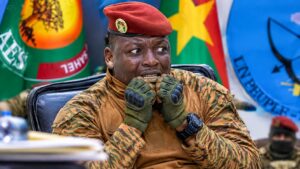
Recent years have seen a troubling rise in political instability across the continent, with multiple nations experiencing abrupt changes in leadership. Since 2020 alone, nine African countries have witnessed military takeovers, displacing leaders who had been elected through democratic processes. This wave of coups has reshaped the political landscape, raising serious questions about the future of governance on the continent.
Rejection of Western democratic models
The continent’s growing alignment with the so-called Global South reflects a broader shift in international relations. African nations, once pressured to adopt Western-style democracy, are increasingly embracing alternative governance models. These illiberal regimes, characterized by limited political freedoms and centralized authority, are gaining traction in certain regions, challenging traditional democratic frameworks.
Legacy of external influence in African politics
For decades, African countries have been subject to external demands for democratic reforms, a trend that gained momentum following a landmark 1990 speech by a French leader. While some nations have successfully transitioned to democratic governance, others have struggled to implement meaningful change. This uneven progress has contributed to widespread frustration, fueling skepticism toward imposed political systems.