What Benin’s $730 million AIIB pipeline means for citizens, businesses and the economy
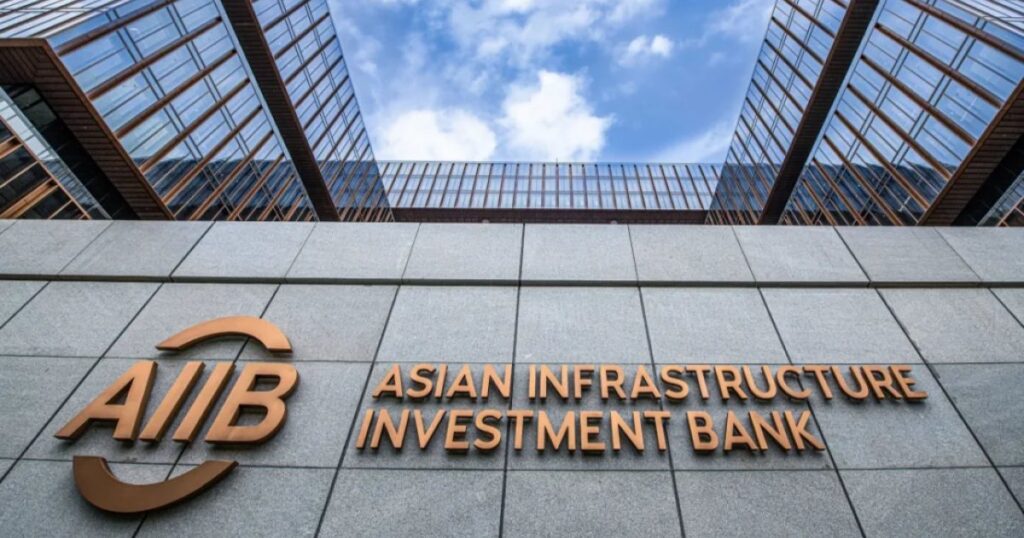
Benin has secured an indicative investment pipeline worth $730 million from the Asian Infrastructure Investment Bank (AIIB) for 2027-2028, a move that stands to reshape how households, businesses and public services access energy, transport and climate-resilience funding. The agreement, signed on September 24, is designed to serve as a framework for identifying and preparing future investments in these sectors, but its real-world consequences will depend on how quickly projects move from planning to execution.
The concrete effects on households and businesses
For ordinary citizens, the most immediate impact is expected to come through improved infrastructure. The pipeline targets energy, transport and climate resilience — areas where Benin has long faced gaps that affect daily life and economic activity. If the projects materialise as planned, businesses could see lower logistics costs, more reliable power supply and better access to markets, while households may benefit from improved mobility and greater protection against climate shocks.
However, the funds are not yet fully approved or disbursed. The AIIB has made clear that each selected project must still go through preparation, due diligence and approval stages specific to each operation. This means the actual economic effects will unfold gradually and depend on how efficiently Benin’s institutions can move projects forward.
250 Million dollars tied to public policies
Of the $730 million envisaged, $250 million is expected to take the form of policy-based financing, aimed in particular at supporting Benin’s Vision 2060. This portion is designed to help the government implement reforms and strengthen public finances, which could indirectly affect citizens through better public services and a more stable economic environment.
The portfolio may also mobilise AIIB instruments dedicated to energy, food security, economic resilience and climate finance. These areas are critical for a country where agriculture employs a large share of the workforce and where climate variability poses a persistent threat to livelihoods.
The agreement was signed by Rajat Misra, AIIB’s Director General for public sector clients in region 1, and Hugues Oscar Lokossou, Benin’s Minister Delegate in charge of Mobilising External Resources and Debt Management. AIIB President Zou Jiayi and Aristide Medenou, Minister of Economy and Finance in charge of Cooperation, attended the signing.
Benin at the centre of AIIB’s first multi-year pipeline in Africa
The AIIB describes this arrangement as its first multi-year pipeline of its kind in Africa. It builds on the deepening relationship with Cotonou in infrastructure financing, signalling that Benin is becoming a key partner for the bank on the continent.
This cooperation already rests on a major transport commitment. In December 2025, the AIIB signed a $200 million loan for the Grand Nokoué Sustainable Urban Mobility Project, part of a programme of about $500 million co-financed with other partners. That project is expected to improve urban transport in one of Benin’s most densely populated areas, with direct consequences for commuters and small businesses.
For Benin, the pipeline represents both an opportunity and a test. If the projects are delivered effectively, they could boost economic activity, create jobs and improve living conditions. If bureaucratic delays or capacity constraints slow implementation, the promised benefits may take longer to reach the people and businesses that need them most.