The aftermath of a deadly drone strike in Niger has escalated into a diplomatic crisis, with the country’s military junta accusing regional allies of involvement—yet offering no public proof to support the claims.
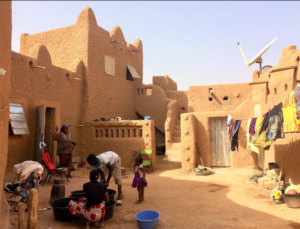
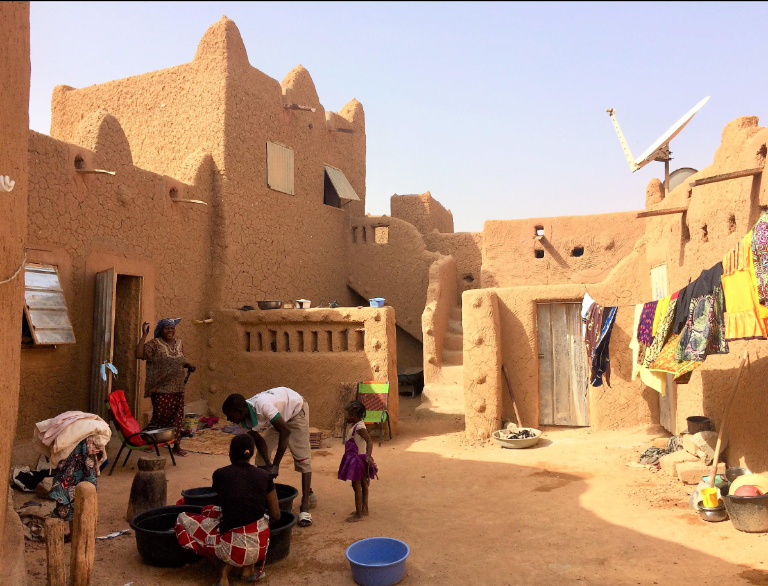
In a shocking turn of events, two civilians lost their lives and several others were injured in a drone strike that struck the Emi Lulu area of Agadez, northern Niger, on October 24. The incident has left authorities scrambling for answers, while casting a shadow over regional stability.
The Nigerien government has publicly named both Chad and France as responsible actors in the strike, despite the absence of verifiable evidence linking either country to the attack. This bold accusation has intensified already strained relations between Niamey, N’Djamena, and Paris, raising serious questions about the motivations behind the claims.
Public accusations, but a lack of concrete evidence
The gravity of the attack cannot be understated—two innocent lives were lost, and families are left shattered. Yet, accusations alone do not equate to established facts. The Nigerien authorities have framed the strike as an act of aggression by neighboring Chad and former colonial power France, but the details remain murky.
Key questions remain unanswered: What kind of drone was used? Where did it originate? Who controlled it? And how were the targeting decisions made? Without access to technical data, flight logs, or forensic evidence, the claims against France—particularly—cannot be substantiated.
The official communiqué released by Niger’s military leadership did not include any physical proof of French involvement. No drone debris bearing French military markings, no intercepted communications, no verified flight paths—nothing has been made publicly available to back up the accusations.
This lack of evidence does not disprove a possible French role, but it does mean that, at present, the accusation stands as an allegation rather than a proven fact. Diplomacy demands accountability, but accountability also demands evidence.
The consequences for civilians and regional stability
The human toll of the strike is undeniable. Two families in Agadez now grieve lost loved ones, while survivors grapple with physical and emotional wounds. But beyond the immediate tragedy lies a broader concern: the risk of turning a security incident into a political weapon.
Niger finds itself at a crossroads. Its leadership faces mounting pressure to explain the attack, yet the absence of clear evidence risks undermining the credibility of its claims. Meanwhile, international observers warn that unproven accusations—especially against a former ally like France—could trigger broader diplomatic fallout.
For Chad, the accusations are equally concerning. The Nigerien government has gone so far as to declare N’Djamena “fully responsible” for the strike. Yet, like the allegations against France, no public proof has been presented to justify this sweeping statement. This raises doubts about the motivations behind the accusations and whether they are driven by facts or political expediency.
Why an independent investigation is critical
In matters of military strikes and civilian casualties, transparency is essential. A credible, independent inquiry could provide the clarity needed to determine what truly happened on October 24. Such an investigation should include:
- Forensic analysis of any recovered drone fragments or remnants;
- Technical evaluation of flight data, if available;
- Witness testimonies from local residents and security personnel;
- Review of military logs or communications intercepts.
A thorough probe would help separate verified facts from political rhetoric. It would also help prevent the spread of unverified claims that could destabilize the region further. Without such steps, the victims’ families may never receive the answers they deserve—and the truth could remain buried under layers of suspicion.
The shadow of distrust in Franco-Nigerien relations
The accusations against France come at a particularly sensitive moment. Since the 2023 military coup in Niger, relations between Niamey and Paris have deteriorated sharply. France, once a key security partner, now faces growing hostility from the country’s ruling junta.
In this climate of mistrust, accusations take on a new weight. But mistrust alone cannot replace evidence. The Nigerien government’s decision to publicly accuse France—without presenting verifiable proof—risks deepening divisions rather than resolving them.
Similarly, the accusation against Chad adds another layer of complexity. Niger has declared N’Djamena fully responsible, but without public evidence, this claim risks being dismissed as a political maneuver rather than a legitimate grievance.
Both Paris and N’Djamena have denied involvement in the strike. Yet, in the absence of a transparent investigation, their denials ring hollow to those seeking justice for the fallen civilians.
Where do we go from here?
The path forward must prioritize truth over blame. For the families of the victims, closure depends on knowing who fired the drone and why. For regional stability, the priority is a fair and impartial inquiry that leaves no room for doubt.
Niger’s leadership has a responsibility to uphold this standard. Demanding answers is just the first step—providing evidence is the next. Until then, the accusations against France—and against Chad—remain allegations, not proven facts.
The people of Agadez deserve better than political games. They deserve the truth.