Government breaks months-long silence: Paul Biya is alive
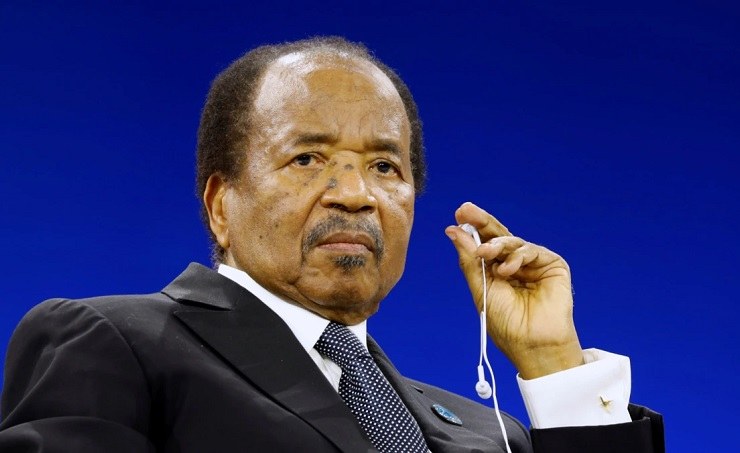
After 56 days of absence and unrelenting speculation, Cameroon’s government has finally broken its silence. Officials confirm that President Paul Biya, one of Africa’s longest-serving leaders, is alive and set to return to the country soon.
What triggered the government’s delayed response?
For nearly two months, Cameroonians watched and waited, searching for any sign of their president. The 93-year-old leader, who has ruled since 1982, left Yaoundé on June 7 alongside his wife for what was described as a private European visit—a trip that has now stretched into an unprecedented absence.
During this period, official activity from the presidency was minimal. State decrees were signed, formal telegrams were dispatched, and social media accounts under the presidential office shared congratulatory messages for France’s Bastille Day. Yet, no images, statements, or public appearances from the president were released—fueling widespread concern.
Constitutional concerns amid prolonged absence
The opposition has not remained silent. Figures like Jean-Michel Nintcheu, an opposition deputy, have formally urged the Constitutional Council to declare a power vacuum. The Union for Democracy and Progress (UDC) has argued that a republic’s stability cannot hinge on silence or assumptions, especially with no vice-president in place—a position left vacant since April 2026.
Constitutional experts note, however, that Cameroon’s laws do not specify a time limit for presidential absences abroad. The UDC has called for institutional reforms to address such gaps, warning of a growing institutional void.
Government reassurance: no vacancy, president to return
It was Communications Minister and government spokesperson René Emmanuel Sadi who finally addressed the nation on August 2, speaking in a carefully worded interview. He dismissed claims of a power vacuum, stating, “The opposition should take a more rigorous and objective reading of the constitution.”
Sadi emphasized that the Constitutional Council has not recognized any vacancy and confirmed that Paul Biya is alive and has not resigned. While he could not provide an exact return date, he assured the public that the president’s return is imminent.
Why this absence is unlike any other
In his 43 years in power, Paul Biya has spent roughly seven years abroad on private trips—far more than any other African head of state. His current absence, now surpassing 50 days, breaks previous records, including a 42-day trip in late 2024. Reports, though unconfirmed, suggest parts of his inner circle, including family members, may be in Switzerland.
Public reaction: relief, doubt, and calls for transparency
On social media, reactions have been mixed. Some citizens express relief, while others question the government’s transparency. Critics point to the lack of clarity on the president’s health and the reasons behind his extended stay. The phrase “Paul Biya is the luckiest president in the world—free to do as he pleases without consequences” has circulated widely, highlighting public frustration over the prolonged uncertainty.
What lies ahead for Cameroon?
Beyond the immediate return of the president, deeper questions loom. At 93, Paul Biya’s prolonged absences have reignited discussions about his succession and the future of governance in Cameroon. The UDC has urged the government to establish clear procedures for managing long-term presidential absences, framing it as a necessary step toward institutional transparency.
For now, the nation waits. The promise of the president’s return may ease tensions, but the lack of precise details has left many skeptical. As the government reassures the public, Cameroonians remain on edge—watching, waiting, and hoping for answers.