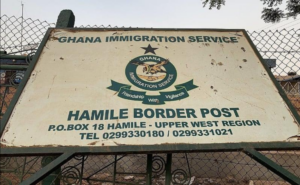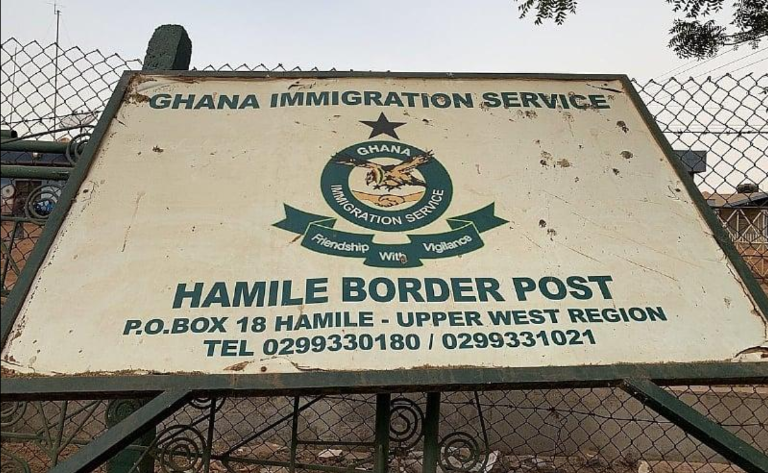
The remote border town of Hamile in Ghana’s Upper West Region is now the epicenter of a deadly blast that has left authorities scrambling to understand how explosives entered a civilian area. Investigators suspect a tricycle carrying suspected dynamite exploded during a security operation, killing at least one immigration officer and critically injuring another, while also wiping out the occupants of the vehicle. The tragedy underscores the fragile security balance along Ghana’s northern border with Burkina Faso, where porous routes and unregulated trade fuel both economic vitality and criminal threats.
How a routine checkpoint turned into a lethal confrontation
The explosion occurred during a pursuit after suspects operating a tricycle refused to stop at a border checkpoint near Hamile. According to security officials on scene, the vehicle had veered off designated routes—common in border areas where informal trade thrives—prompting law enforcement to give chase. It was during this pursuit that the vehicle detonated, instantly killing the occupants and injuring two officers. One immigration agent later died from injuries sustained in the blast.
The suddenness of the explosion has left investigators racing against time to reconstruct the event. Preliminary findings indicate the presence of commercial explosives, raising alarm about how such materials circulate in a region already strained by insecurity. Authorities have yet to confirm whether the explosives were intended for criminal use or were being smuggled as part of illicit trade networks.
Hamile: a gateway of opportunity and vulnerability
Hamile sits in the Upper West Region, a northern Ghanaian district that serves as a vital commercial hub linking Ghana with Burkina Faso. The town’s strategic location supports vibrant weekly markets where traders from both countries exchange goods ranging from livestock to agricultural produce. But this same connectivity makes it a potential conduit for illicit activities, including the unregulated movement of arms and explosives.
Border authorities have long identified Hamile as a high-risk zone due to the prevalence of unmonitored pathways used by smugglers and informal traders. While these routes help sustain local economies, they also enable the movement of contraband, including explosives, that can bypass official checkpoints. The blast has forced officials to reassess the balance between facilitating legitimate trade and preventing dangerous materials from entering the country.
Ghana’s northern frontier: balancing security with survival
The tragedy in Hamile arrives amid growing concerns over regional instability, particularly in Burkina Faso, where armed groups have intensified attacks near the Ghanaian border. While the explosion itself is not yet linked to any terrorist organization, the incident has intensified scrutiny of Ghana’s border control policies. Security analysts warn that without stronger monitoring and intelligence sharing, the country could face escalating risks from smuggling networks and armed actors exploiting weak border areas.
In response, Ghanaian authorities have increased patrols and deployed additional screening teams in northern border districts. Yet challenges persist: porous terrain, long and undulating borders, and deep community ties across the frontier make total control nearly impossible. The government is now under pressure to implement measures that protect both national security and the livelihoods of border communities.
From tragedy to action: what’s next for border security?
An official investigation has been launched to determine the origin of the explosives, identify those responsible, and assess the chain of failures that allowed a high-risk vehicle to trigger such devastation. The probe will also examine whether local collusion or weak enforcement contributed to the incident.
Community leaders in Hamile have called for dialogue between security forces and residents to clarify new regulations and restore trust. Suggestions include setting up community-based monitoring systems and increasing transparency in explosive licensing to prevent unauthorized stockpiling and transport.
As Ghana prepares to unveil findings and implement reforms, the Hamile blast stands as a stark reminder: in a region where lives and livelihoods depend on open borders, vigilance must never be compromised.