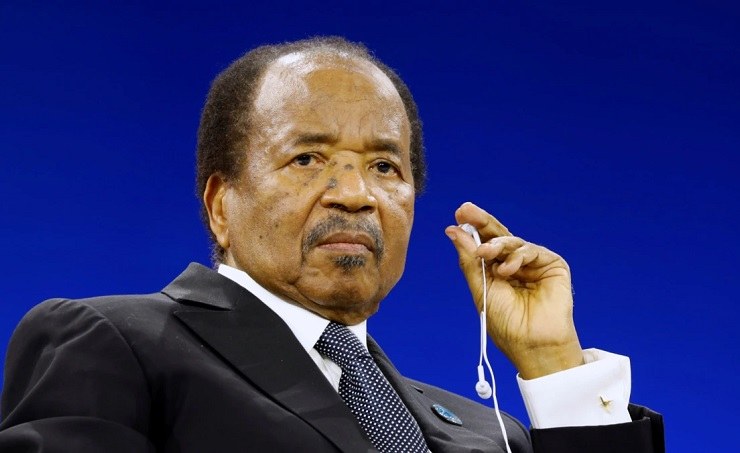
Cameroon is abuzz with speculation over the health and whereabouts of President Paul Biya, 93, who has remained outside the country for nearly two months. The prolonged absence has triggered intense debate about the continuity of governance and the transparency of state institutions.
Government dismisses power vacuum claims
In a rare public intervention, Communications Minister René Emmanuel Sadi reiterated on August 2, 2026, that President Biya is alive and actively overseeing state affairs. Speaking to national media, the minister categorically rejected opposition allegations of a power vacuum, emphasizing that the presidency remains firmly under Biya’s control despite his extended absence.
Opposition demands constitutional clarity
Leading opposition figures, including Jean-Michel Nintcheu of the Union démocratique du Cameroun (UDC), have intensified calls for official verification of the president’s condition. They argue that prolonged silence from state authorities risks undermining institutional stability. Nintcheu has urged the Constitutional Council to formally assess whether a power vacuum exists, warning that governance cannot be sustained on assumptions or prolonged secrecy.
Legal framework under scrutiny
The 1996 Constitution outlines strict procedures for handling presidential vacancies. According to Article 6, paragraph 4, in the event of death, resignation, or permanent incapacitation confirmed by the Constitutional Council, a new election must be held within 20 to 120 days. During this interim period, Senate President Aboubakary Abdoulaye, 64, would assume presidential duties, followed by first vice-president Naomie Mikel Bégala épouse Akono, 63, if necessary.
The interim leader’s powers are severely restricted: constitutional amendments, cabinet reshuffles, referendums, and presidential candidacies are explicitly prohibited under the transition rules.