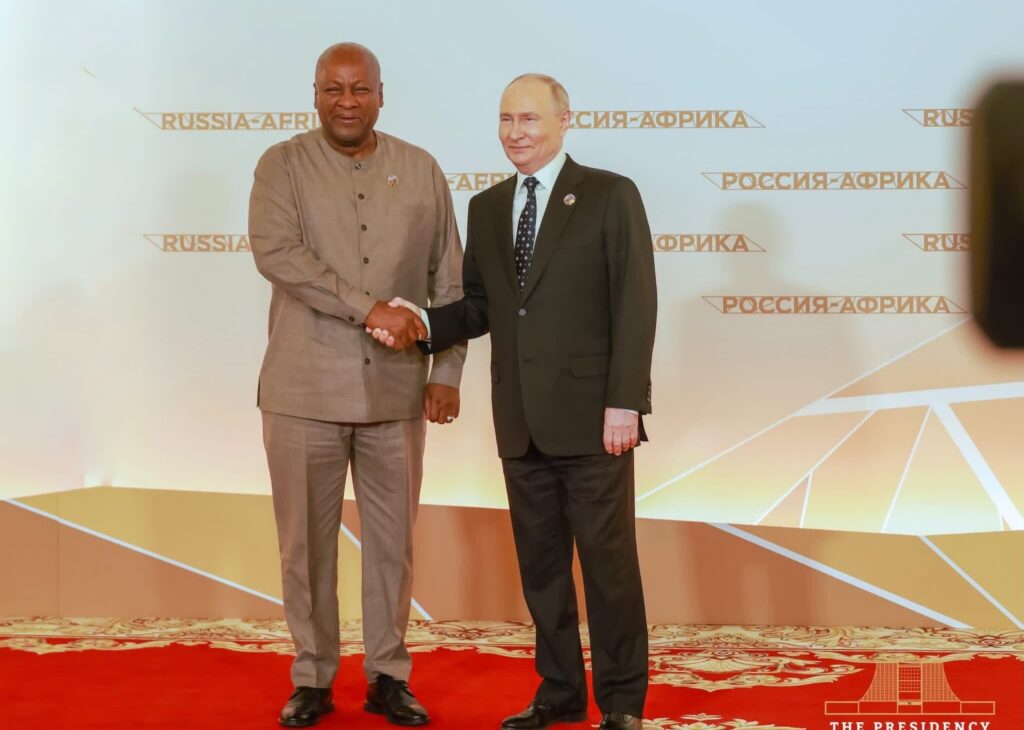
From promises to tragedy: How African fighters became expendable in Ukraine
The recent pledge by Accra to stop the recruitment of Ghanaian mercenaries in Ukraine does little to conceal the grim reality: this is not diplomacy, but a ruthless human trafficking operation flying under the radar of international scrutiny. Behind closed doors and diplomatic handshakes, a chilling truth emerges—hundreds of young Africans, lured by empty promises of wealth and opportunity, have been sent to die in the muddy trenches of a war they never chose. For Ghana alone, the human toll is already catastrophic, with at least 62 citizens confirmed dead on the frontlines and another fifteen unaccounted for.
The scale of this modern-day cannon fodder scheme marks a new low in Russia’s military strategy, exposing a predatory system that preys on desperation rather than steel.
Exploiting vulnerability: The Russian blueprint for human sacrifice
This method of recruitment is not merely exploitative—it is an affront to human dignity, surpassing even the darkest chapters of colonial conscription. Where colonial powers once forced subjects into battle at gunpoint, Moscow’s strategy thrives on subtlety and manipulation. Rather than brandishing rifles, recruiters—sanctioned or shielded by Russian state apparatuses—target impoverished Africans with fake job contracts, inflated salaries, and the false hope of European passports.
Students with no future and parents facing starvation are tricked into signing what they believe are legitimate work agreements. Instead, they are sent to the deadliest sectors of Eastern Ukraine, where they serve as human shields for regular Russian troops. This calculated devaluation of human life reveals a new dimension of imperial warfare, one that trades African youth at bargain prices to fuel Moscow’s geopolitical ambitions.
The Kremlin’s two-faced game: From silence to admission of guilt
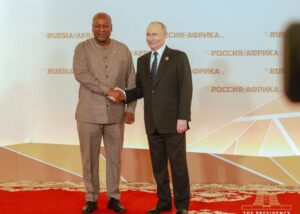
The very necessity for an African head of state to negotiate directly with Vladimir Poutine to halt the recruitment of his citizens—and to recover the bodies of the fallen—shoulders the weight of a modern colonial tragedy. For months, the Kremlin turned a blind eye or actively enabled this hemorrhage of human capital, feeding its war machine with disposable lives. Now, halting the practice is tantamount to admitting that this predatory pipeline was a deliberate military strategy, not an accidental consequence.
The double betrayal: Africa’s youth caught between local failure and foreign deception
This is not just a war story—it is a crisis of survival for millions of young Africans. Trapped between oppressive local regimes and economic collapse, they are denied dignity, education, and hope. Into this vacuum step foreign powers, not to offer partnership, but to harvest human souls. As long as African governments fail to deliver stability, opportunity, and protection to their citizens, predatory states will continue to recruit mercenaries from the continent’s most desperate corners. The trafficking of African lives for foreign wars will remain a permanent stain on international relations, built not on mutual respect, but on the callous disregard for human life.
Key facts behind the African mercenary recruitment in Ukraine
- Targeted demographics: Young adults from West African nations facing severe economic hardship, including Ghana, Nigeria, and Senegal.
- Recruitment tactics: Deceptive job offers, false promises of European visas, and inflated salaries to lure recruits.
- Deployment zones: Eastern Ukraine, particularly areas with heavy fighting and high casualty rates.
- Casualties and losses: Over 60 confirmed dead from Ghana alone; dozens more missing or wounded.
- Government responses: Some African nations, including Ghana, have demanded the cessation of recruitment and the repatriation of remains.