The escalating security crisis in Haiti has pushed authorities to seek stronger international partnerships. As Port-au-Prince grapples with armed gangs, weakened institutions, and a fragile state apparatus, the military ties between Haiti and Benin are gaining renewed significance. The ongoing visit of Haiti’s top military leader to Cotonou underscores this strategic rapprochement, with both nations exploring concrete ways to enhance cooperation amid shared challenges.
Why Benin’s military partnership could be a game-changer for Haiti
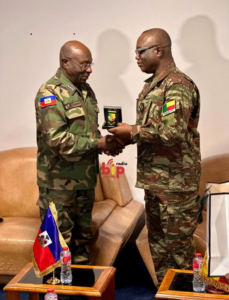
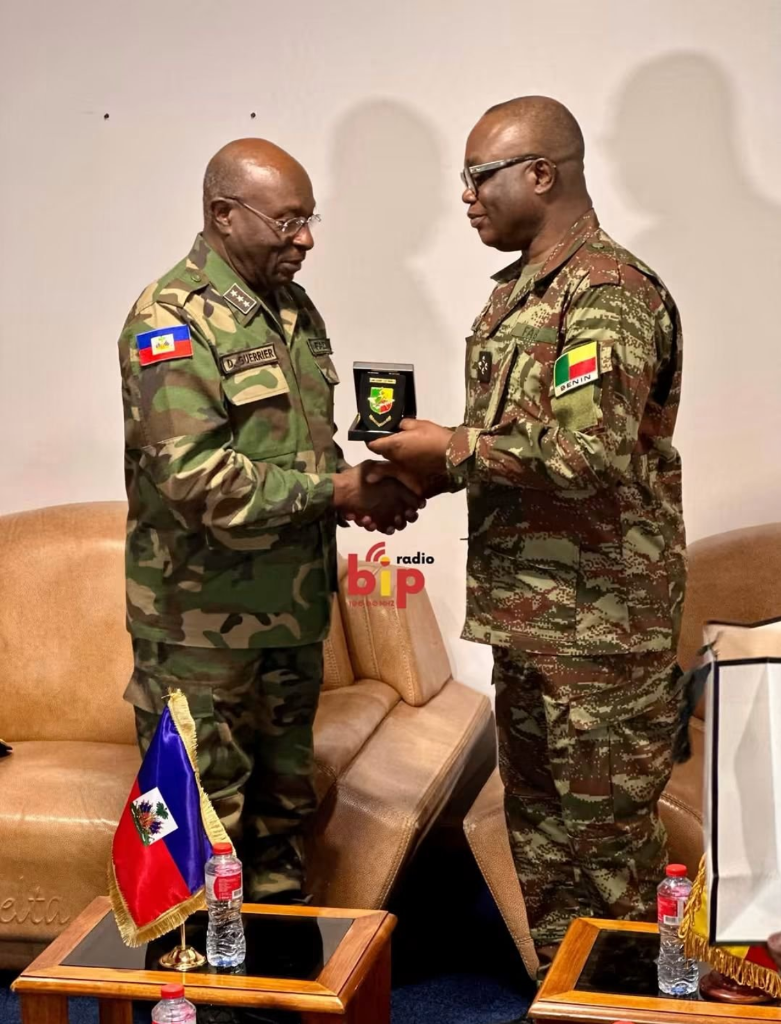
In November 2026, Haiti’s Chief of Staff, Lieutenant-General Derby Guerrier, engaged in high-level discussions with Benin’s military leadership in Cotonou. This meeting follows Haiti’s persistent struggle to restore order across its territory, where armed groups have severely undermined public safety. Meanwhile, Benin has historically expressed its willingness to support international stabilization efforts in Haiti, including a 2024 pledge to deploy up to 2,000 troops under the UN-backed Multinational Security Support Mission (MSS).
However, logistical, operational, and command-related concerns have delayed the actual deployment. The visit by General Guerrier now serves as a critical moment to reassess these challenges and explore alternative ways to leverage Benin’s expertise without necessarily committing troops on the ground.
From 2024’s failed deployment to today’s strategic dialogue
Benin’s initial offer in 2024 highlighted its commitment to addressing Haiti’s security vacuum. The proposed contingent of 1,500 troops, expandable to 2,000, was positioned within the framework of the MSS, led by Kenyan forces. Yet, disagreements over operational control—particularly regarding the role of Kenyan police leadership versus military command—froze progress. The absence of a clear framework for command, funding, and troop engagement led to indefinite postponements.
Today, the Cotonou talks signal a shift. Instead of focusing solely on troop deployment, the discussions center on capacity-building, knowledge exchange, and bilateral defense collaborations. This broader approach could allow both nations to address Haiti’s immediate security needs while avoiding the pitfalls of past negotiations.
Shared security challenges: A foundation for cooperation
Both Haiti and Benin face dynamic security threats that demand adaptive military strategies. While Haiti battles armed gangs and institutional collapse, Benin confronts terrorism in its northern regions amid Sahel instability. These parallel struggles create a natural platform for mutual learning. Key areas of potential collaboration include:
- Military training and professionalization: Enhancing operational readiness through joint exercises and knowledge transfers.
- Intelligence-sharing mechanisms: Strengthening regional security networks to preempt threats.
- Operational planning and logistics: Improving crisis response and coordination during instability.
- Counter-gang and counter-terrorism tactics: Adapting proven strategies to local contexts.
The exchange between Benin’s Chief of Staff, General Fructueux Gbaguidi, and General Guerrier emphasizes the need for practical, sustainable solutions over symbolic gestures. Neither country can afford to waste resources on ineffective partnerships, making this dialogue a litmus test for future collaboration.
What’s next for Haiti-Benin military relations?
While no official decisions have been announced, the trajectory of this visit suggests long-term potential. Haiti’s search for diverse international partners aligns with Benin’s strategic objectives in the Gulf of Guinea. A structured bilateral agreement—focusing on training, equipment, or advisory roles rather than direct deployment—could emerge as the most viable path forward.
The visit underscores a broader trend: African nations are increasingly looking inward for solutions to local security crises. With historical and cultural ties bridging Haiti and Africa, this partnership reflects a South-South solidarity model, prioritizing shared expertise over unilateral interventions. For Haiti, the stakes couldn’t be higher—every delay in addressing its security vacuum deepens the humanitarian toll on its citizens.
Can this partnership deliver real change?
The success of this military dialogue hinges on two critical factors. First, Benin must clarify its red lines regarding command structures and operational autonomy. Second, Haiti’s leadership must translate political will into executable plans. Without tangible commitments—such as training programs, joint operations, or infrastructure support—this visit risks becoming another missed opportunity.
For now, the Cotonou talks represent a crucial first step. If both nations can move beyond past impasses and focus on actionable outcomes, Haiti’s security landscape may yet see meaningful progress—one partnership at a time.