Niger’s healthcare revolution: shifting from foreign evacuations to local solutions
For decades, medical evacuations abroad were the only viable option for Nigeriens facing complex health challenges. Now, the country is charting a new course. Under the leadership of Health Minister Colonel-Major Garba Hakimi, Niger is systematically upgrading its medical infrastructure to provide world-class care within its borders.
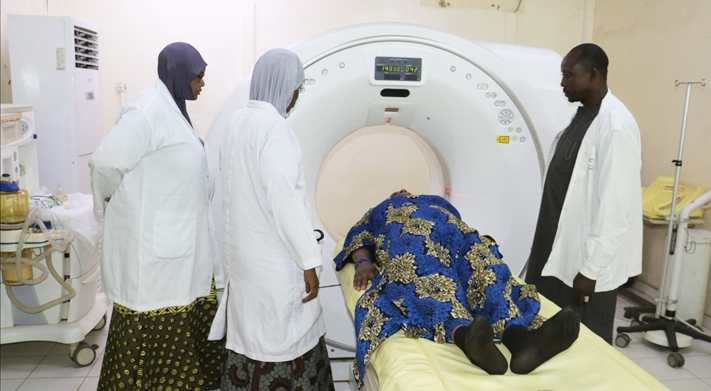
The transformation begins with cutting-edge equipment: 64-slice CT scanners, MRI machines, and linear accelerators for radiotherapy. Cancer treatment exemplifies this shift. Niger now offers all three essential pillars—surgery, chemotherapy, and radiotherapy—eliminating the need for costly foreign evacuations that strained family budgets.
Cardiology is another success story. Local cardiac surgery is now performed at a fraction of the cost of overseas alternatives. This medical milestone marks more than a technical achievement—it represents a fundamental change in how Niger addresses complex health needs.
The impact extends beyond medical outcomes. By reducing reliance on foreign care, Niger is easing financial burdens on families while strengthening its healthcare workforce and asserting medical sovereignty. While extreme cases may still require international expertise, the trajectory is clear: Niger is building the capacity to care for its people at home.
The message is unequivocal: Niger is keeping healthcare in Niger. Through strategic investments in technology and training, the nation is ensuring that specialized care—once only available abroad—is now accessible within its own borders.