Escalating tensions in Bamako after coordinated attacks on Mali’s military leadership
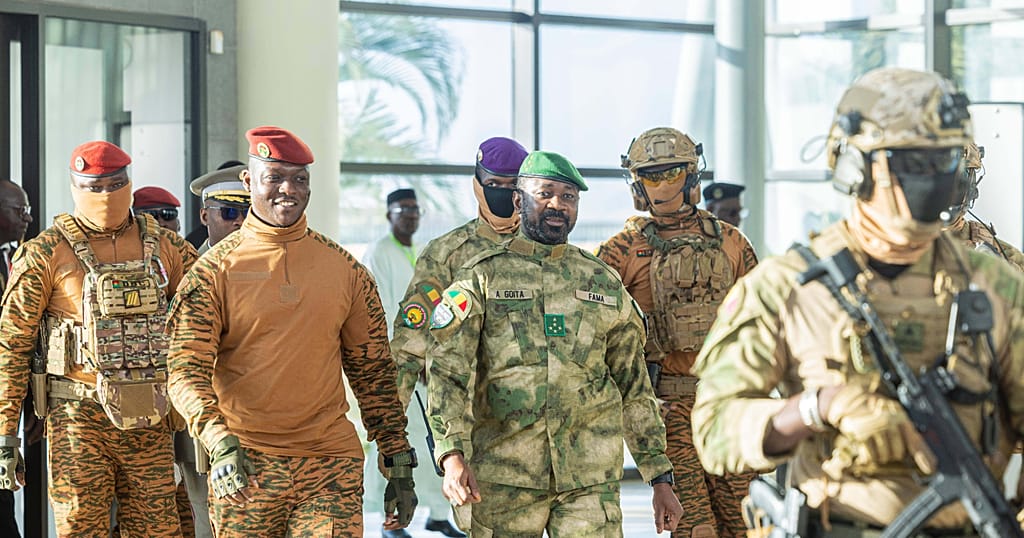
Bamako remains under a fragile calm following the violent incidents of April 25, which resulted in the death of General Sadio Camara, second-in-command of the transitional military regime. Authorities have now disclosed details of what they describe as a meticulously planned assassination attempt targeting the nation’s highest officials, including President Assimi Goïta.
According to military spokespersons, the operation involved multiple vehicle-borne explosives, with one specifically aimed at the presidential residence. Commander Djibrila Maïga, Deputy Director of Public Relations for the Armed Forces, emphasized the gravity of the situation: This carefully orchestrated scheme was designed to eliminate our leaders and destabilize the nation.
Burkina Faso joins regional response with TV5Monde suspension
In a parallel move, Burkina Faso has taken decisive action against a leading international broadcaster. The country’s media regulator suspended TV5Monde for allegedly glorifying terrorist acts and undermining Mali’s transitional institutions. The decision comes amid growing frustration over perceived biased coverage of Sahelian affairs.
Public reactions in Ouagadougou reflect deep divisions. While some residents applaud the move—Allowing channels that glorify terrorism to air freely is unacceptable—others criticize what they view as an overly harsh stance on media freedom. These outlets consistently portray our region with condescension, ignoring the complexities on the ground, argues Serge Théophile Bancé, a local commentator.
International watchdogs raise concerns over press freedom restrictions
Human rights and press freedom advocates have voiced strong objections to the crackdown. Reporters Without Borders condemned the suspension as an arbitrary restriction that further shrinks the country’s already limited media space. Since the Captain Ibrahim Traoré-led administration took office, several major international outlets—including Le Monde, BBC News, and Voice of America—have faced temporary bans, intensifying debates over journalistic independence in the Sahel.