With the anticipated construction of a 15,000-seat stadium in Koudougou, Burkina Faso stands at the threshold of a major sporting infrastructure milestone. However, as the project gains momentum, a critical question lingers: who will ultimately foot the bill? While the involvement of international contractors and local agencies has been confirmed, the financial blueprint of this high-profile initiative remains shrouded in uncertainty, raising concerns about transparency and long-term fiscal impact.
Public investment vs. private stakes: decoding the stadium’s funding mystery
The stadium project is framed under the Presidential Initiative for Sports Excellence (IP-RELIS), a government-led push to elevate Burkina Faso’s sporting infrastructure. Designed to accommodate 15,000 spectators, the facility is poised to serve as a hub for youth development and regional sporting events. Yet, despite its ambitious scope, the project’s financial scaffolding is anything but clear.
Key details—such as the total projected cost, the breakdown of funding sources, and whether foreign partners are involved—have not been disclosed in public records. This lack of clarity fuels speculation about the project’s sustainability and the potential strain on national resources.
Integral Sport’s role: contractor or financier?
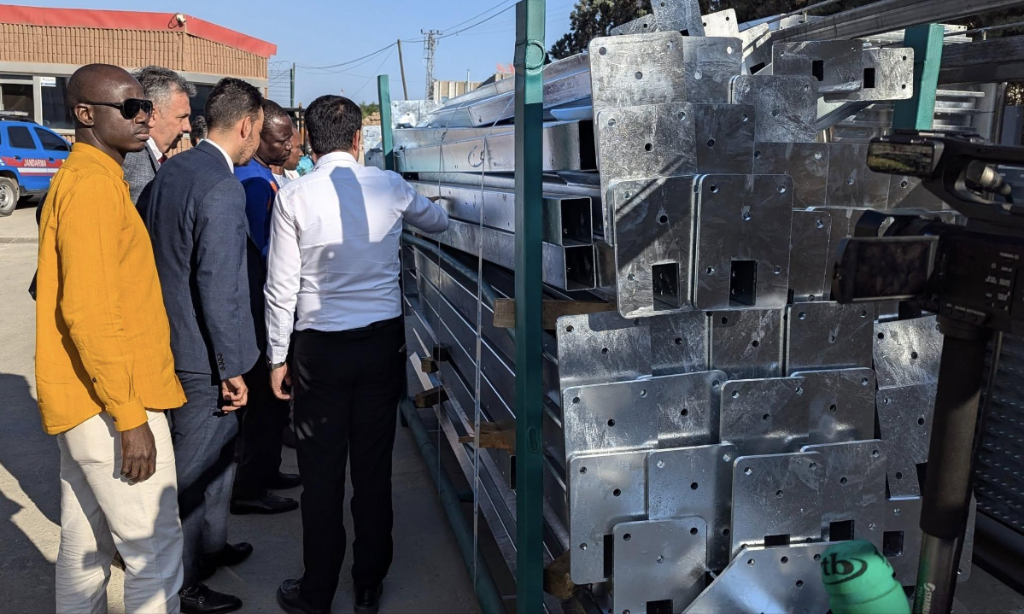
The Turkish construction firm Integral Sport has been named as the lead contractor for the Koudougou stadium, mirroring its involvement in another 15,000-seat venue in Bobo-Dioulasso. While the company’s technical expertise is widely acknowledged, its financial role in the project remains undefined.
Questions persist: Is Integral Sport merely executing the construction under a public contract, or does it contribute to the financing? Could there be additional partners, such as development banks or private investors, hidden in the project’s financial framework? Without access to the signed agreement or official financial disclosures, these remain unanswered.
Faso Mêbo and the state: operational roles without financial guarantees
The Burkina Faso Sports Facilities Agency (Faso Mêbo) is tasked with collaborating on the project, but its exact contribution—whether financial, logistical, or administrative—remains unspecified. Similarly, the Presidential Initiative’s endorsement does not automatically translate to full state funding. To confirm the extent of public investment, detailed budgetary documents or financial commitments must be made available.
The stakes are high: if the stadium is financed entirely through national coffers, the project could divert resources from other critical sectors. Conversely, if foreign funding or private partnerships are involved, the terms of these arrangements—and their long-term implications—must be scrutinized.
The transparency imperative: why citizens deserve clarity on public spending
Infrastructure projects of this magnitude demand accountability. Taxpayers have a right to know how their money is being allocated, especially when the project is positioned as a national priority. Critical details that remain undisclosed include:
- The estimated total cost of the stadium
- The primary source(s) of funding
- The tendering process and contractual terms
- The roles and financial commitments of all stakeholders
- The projected timeline for construction and completion
Without this transparency, the public cannot assess whether the project represents a wise investment or an unsustainable financial commitment. Moreover, if foreign partners are involved, their identities and the nature of their contributions should be disclosed to prevent conflicts of interest or unfavorable terms.
What’s next? Calls for official disclosures to resolve the funding puzzle
As construction plans advance, the pressure mounts on key institutions to clarify the stadium’s financial framework. The Ministry of Sports, IP-RELIS leadership, Faso Mêbo, and Integral Sport must provide definitive answers to pressing questions:
- Has the construction contract been finalized, and if so, what is its value?
- Was the tender process competitive and transparent?
- Are there external financing agreements, and if so, what are their terms?
- What is the government’s exact financial responsibility?
The answers to these queries will determine not only the project’s viability but also its broader impact on Burkina Faso’s economic and social landscape. A stadium, after all, is more than a venue—it is a symbol of national aspiration and a potential catalyst for growth. But its success hinges on the clarity and fairness of its funding.
Beyond the announcement: the real cost of Burkina Faso’s sporting ambitions
The future stadium in Koudougou holds the promise of transforming local sports and regional competitiveness. Yet, its potential cannot be realized without addressing the funding uncertainties that surround it. Until the authorities provide comprehensive financial disclosures, the origins of the stadium’s budget—and its burden on taxpayers—will remain a subject of debate.
For a project announced as a cornerstone of Burkina Faso’s sporting future, the time for answers is now. The public deserves to see the full financial picture before construction breaks ground, ensuring that this landmark initiative is built on solid, transparent ground.