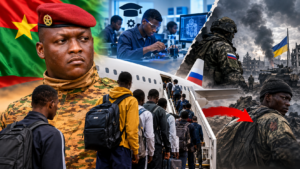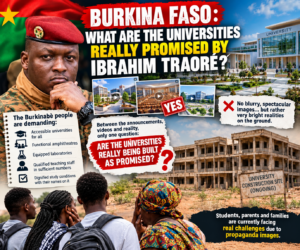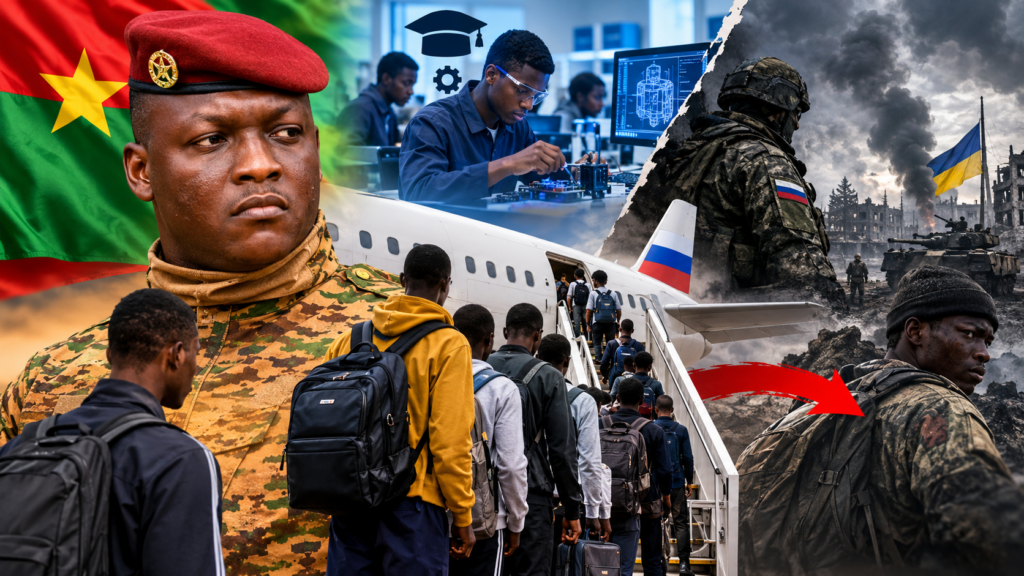
As Burkina Faso prepares to send young citizens to Russia for advanced technical training, a growing debate questions whether this initiative prioritizes national development or exposes participants to unforeseen risks. With Moscow deeply involved in the conflict in Ukraine, the move raises critical concerns about the true intentions behind the program and its potential consequences for families and the nation’s future.
From educational promise to geopolitical gamble
In recent public statements, Captain Ibrahim Traoré emphasized the need to empower Burkina Faso’s youth through domestic education and technological advancement. Yet, his government now plans to send hundreds of young citizens to Russia ostensibly for cutting-edge technical training sparking skepticism and alarm across civil society. Why turn to foreign soil when the country claims to possess the capacity to build its own educational infrastructure? What assurances exist that these students will return home as skilled professionals rather than as participants in a distant war?
Training or recruitment? The shadows of prior cases
Russia’s current engagement in Ukraine has triggered widespread recruitment campaigns targeting foreign nationals. Reports from African expatriates and return migrants indicate that some were lured under false pretenses promised employment or study abroad, only to find themselves deployed in military roles. With Burkina Faso’s young participants set to train in a nation actively at war, the risk of similar misrepresentation cannot be dismissed. How can families trust that their children will not be ensnared in a conflict they neither chose nor understand?
Unanswered questions about the program’s structure
Despite official assurances, key details remain undisclosed. No public information exists regarding the number of participants, the identity of host institutions, or the nature of the training curriculum. Will participants receive internationally recognized qualifications? Under what legal framework will their stay be governed? Critically, what safeguards are in place to prevent coercion or involuntary military service? These gaps in transparency feed public mistrust and demand urgent clarification from authorities.
Broken promises and lost sovereignty
Captain Traoré’s earlier advocacy for domestic education now appears at odds with this new strategy. If Burkina Faso truly aims to cultivate technological self-reliance, why not invest in national universities, technical colleges, and research centers? The shift toward sending youth abroad undermines previous commitments to building local expertise and raises doubts about the government’s long-term vision for human capital development.
Who benefits from this initiative?
While the stated goal is to equip young Burkinabè with advanced skills, the broader implications remain unclear. Is this a genuine effort to strengthen the nation’s technological base, or does it serve other geopolitical interests? Without clear economic or developmental benefits for Burkina Faso, families may question whether the government is prioritizing national progress or external alliances. The absence of measurable outcomes raises further doubts about the program’s true purpose.
What’s at stake for Burkina Faso’s families
Behind every participant is a family waiting for answers. Will their children return with valuable skills and careers, or will they become casualties of a war not of their making? The government must provide concrete guarantees: written assurances of safe return, transparent agreements with Russian institutions, and verifiable protections against recruitment into military service. Without these, the initiative risks becoming a human tragedy disguised as an educational opportunity.
The path forward: transparency and accountability
Burkina Faso’s leaders must move beyond vague declarations and deliver clarity. What exactly will these young citizens learn? How will their futures be protected? Most importantly, what measures will prevent their exploitation in a conflict they did not choose to join? The nation’s youth represent its greatest asset their safety and development should never be gambled away in pursuit of unproven benefits or questionable alliances.
By Georges Essomba — Journalist