The CAF’s sharp about-face on africa cup of nations frequency
The Confederation of African Football has abruptly reversed its 2025 decision to extend the Africa Cup of Nations from every two years to every four, restoring the biennial cycle after just months of experimentation. The U-turn is not merely a calendar reshuffle—it is a response to real, tangible risks for clubs, players, and national federations whose livelihoods depend on the tournament’s regularity.
On 29 October 2026 the CAF’s executive committee voted unanimously to return to a biennial schedule beginning with the 2027 edition. The decision came after months of uncertainty about how the continent would fund the new African Nations League, intended to replace the CAN every other edition. With no comparable revenue stream ready, the CAF chose stability over experimentation.
The money behind the move: why a four-year gap threatened cash flow
The Africa Cup of Nations is the backbone of the CAF’s budget. Sponsorships, broadcasting rights, and commercial partnerships generate hundreds of millions of dollars every edition. Spreading those inflows over four years would have stretched budgets thin across 54 member associations, many of which rely on CAN revenue to operate domestic leagues, youth academies, and stadium projects.
The proposed African Nations League was meant to fill the gap, but its launch timeline and uncertain commercial appeal made the gamble too risky. Internal projections showed that even in a best-case scenario, the new competition would need five to six editions before matching CAN-level economics. The CAF’s about-face protects the financial pipeline that keeps African football running year-round.
From marquee tournament to replacement league: what the african nations league ambition misses
The CAN is more than a football competition—it is a cultural phenomenon. Its biennial rhythm creates a predictable rhythm for broadcasters, sponsors, and fans, locking in multi-year deals that underwrite grassroots development. The African Nations League, by contrast, starts from zero credibility.
Without the CAN’s built-in audience, the new league must attract sponsors, negotiate broadcasting contracts, and convince clubs to release players—challenges that cannot be solved overnight.
Moreover, African players based overseas face overlapping club and international commitments. A four-year CAN cycle would have widened those conflicts, leaving national teams with fewer competitive opportunities and African clubs with less global visibility for their stars. Returning to two years gives players and clubs a manageable rhythm while still allowing national teams to qualify for FIFA tournaments.
How the new calendar balances pressure from clubs, players, and the fifa calendar
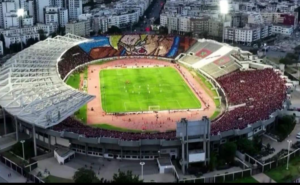
The revised schedule spreads the CAN across 2027, 2028, 2031, and 2033 to avoid clashes with the 2030 FIFA World Cup. The 2030 slot is intentionally left open to prevent overlap and allow African teams to prepare optimally.
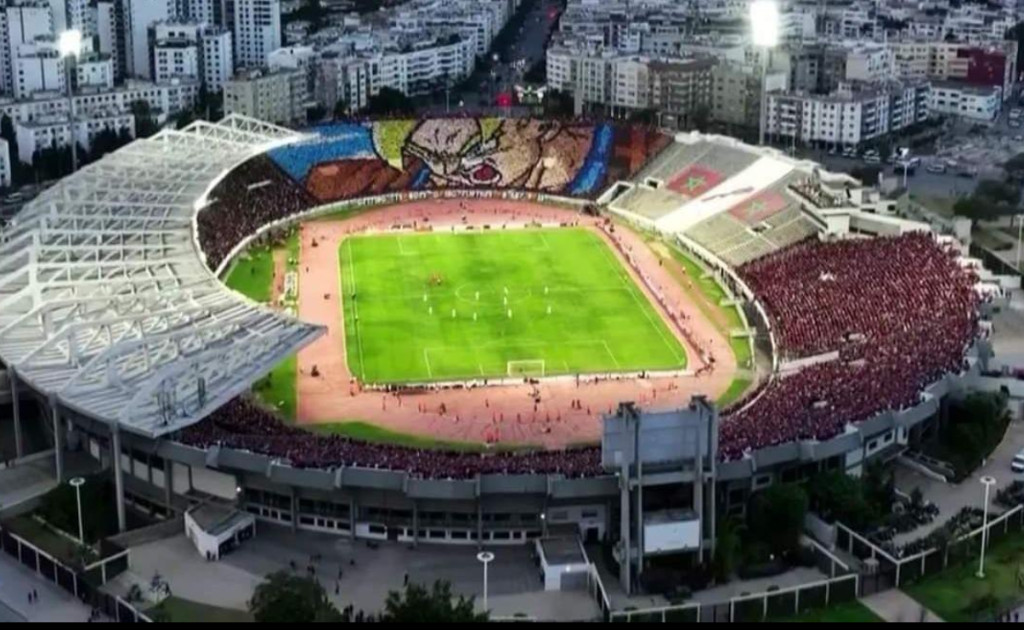
- 2027 CAN – Morocco
- 2028 CAN – Côte d’Ivoire
- 2031 CAN – yet to be announced host
- 2033 CAN – alignment with FIFA’s global cycle
This staggered approach preserves the CAN’s prestige while acknowledging constraints from European leagues, Saudi Pro League, and domestic club calendars.
What’s next for african football’s tournament model
The CAF is not abandoning reform altogether. It is simply prioritising a proven money-maker over an untested replacement. The next steps include modernising the CAN’s commercial model, accelerating the African Nations League rollout, and negotiating tighter release windows with clubs.
For now, the message is clear: the biennial CAN is not just a tradition—it is an economic necessity that keeps African football alive. Until the next marquee competition can match its value, the continent’s flagship tournament remains irreplaceable.