The sudden escalation of rumors surrounding Kim Jong-un’s health has thrust North Korea into a precarious position, with far-reaching implications for both the regime and the global community. Reports of a suspected cerebral hemorrhage followed by a coma have sent shockwaves through diplomatic circles, raising urgent questions about the country’s stability and its nuclear ambitions.
Unverified reports trigger global alarm
A flurry of unconfirmed claims suggests that Kim Jong-un may have suffered a severe stroke, leading to a medical evacuation to China for specialized treatment. These assertions, which originated from social media posts, have since been amplified by international media outlets. However, no official confirmation has been issued by North Korean or Chinese authorities, leaving the international community grappling with uncertainty.
The alleged incident reportedly occurred in late October, though details remain scarce. According to accounts shared online, Kim Jong-un was transported to Beijing’s prestigious Peking Union Medical College Hospital, a facility known for treating high-profile patients. The claims cite inadequate medical infrastructure in Pyongyang as a key factor in the decision, though no corroborating evidence has been made public.
Pyongyang’s opaque response fuels speculation
North Korea’s government has maintained a deliberate silence on Kim Jong-un’s whereabouts and condition, a common tactic in authoritarian regimes to control information during crises. This opacity has historically contributed to the spread of rumors, particularly when the leader’s public appearances become irregular.
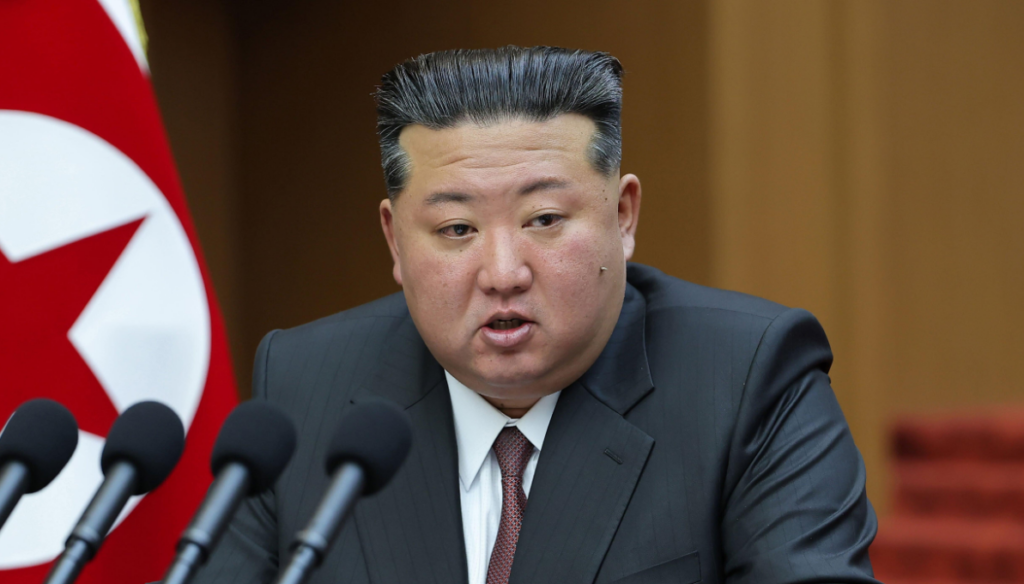
In a rare move to counter the narrative, state media released photographs on October 20, depicting Kim Jong-un attending an exhibition with his daughter, Ju-ae. While this appearance suggests he may still be active, the images do not conclusively address concerns about his health, leaving observers skeptical about their authenticity or timing.
A history of health-related uncertainty
Concerns over Kim Jong-un’s physical well-being are not new. Since assuming power in 2011, his weight fluctuations, gait, and overall appearance have repeatedly sparked speculation. South Korean intelligence agencies have previously noted risk factors such as obesity and potential cardiovascular issues, though these observations do not confirm a recent stroke.
His family’s medical history—marked by the deaths of his father, Kim Jong-il, and grandfather, Kim Il-sung—adds another layer of intrigue. However, these precedents do not provide concrete insights into his current condition.
The stakes: what happens if the leader is incapacitated?
A prolonged absence of Kim Jong-un could plunge North Korea into political turmoil, given the regime’s centralized power structure. His sister, Kim Yo-jong, holds significant influence within the ruling elite, while his daughter, Ju-ae, has been increasingly visible in state-sanctioned events. These developments have fueled speculation about a potential succession, though the absence of clear leadership transition plans leaves the regime vulnerable to infighting or external pressure.
The implications extend beyond North Korea’s borders. Neighboring powers, including South Korea, China, Japan, and the United States, are closely monitoring the situation, given the country’s nuclear arsenal and its role as a geopolitical flashpoint. An unstable leadership transition could disrupt regional security dynamics or trigger unintended escalations.
Potential scenarios and risks
- Power struggle within the elite: A power vacuum could spark internal competition among factions, destabilizing the regime and complicating decision-making processes.
- Military intervention: The North Korean army, the Korean People’s Army, wields significant influence and could assert control in the absence of a clear successor, increasing the risk of military confrontation.
- Regional security threats: A weakened or fractured leadership may embolden provocative actions, such as missile tests, to consolidate domestic support or deter external interference.
- Humanitarian concerns: Prolonged instability could exacerbate food shortages, economic collapse, and mass displacement, posing challenges for humanitarian organizations and neighboring countries.
Caution urged amid unverified claims
While the rumors of Kim Jong-un’s hospitalization and coma remain unconfirmed, the potential consequences demand close scrutiny. Analysts stress the importance of distinguishing between speculation and verified facts. Until official statements or independent medical assessments emerge, the international community must tread carefully to avoid misinterpreting the situation or fueling unnecessary panic.
The stakes are too high to rely on unverified reports. A comprehensive, credible understanding of the situation is essential to navigate the uncertainties ahead and uphold stability in the region.