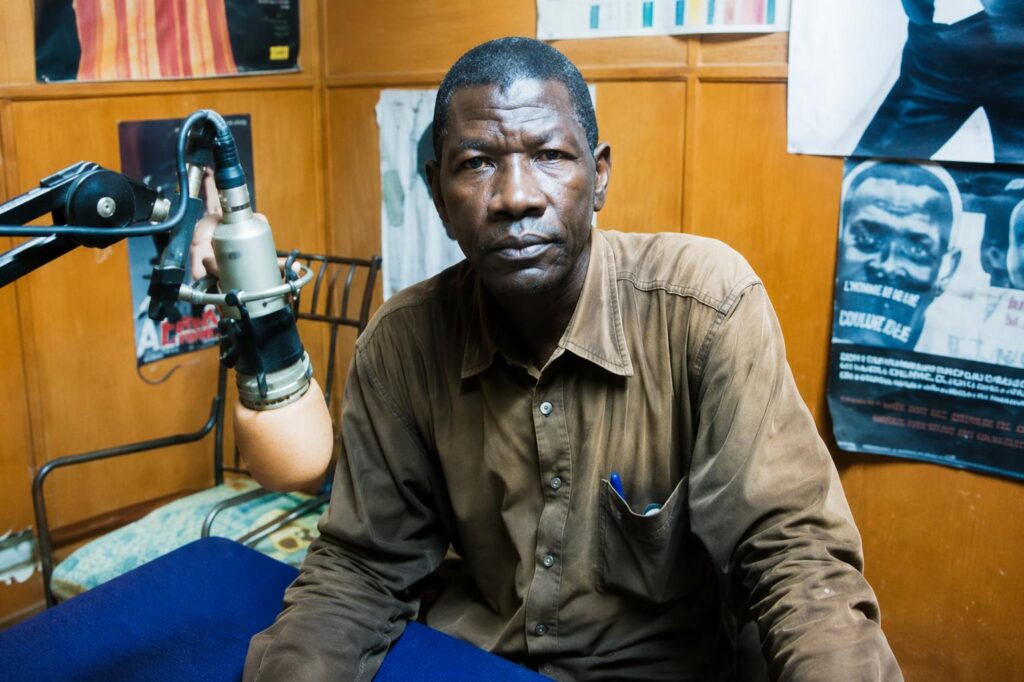
Economic ripple effects: how journalist detention threatens investor confidence in Niger
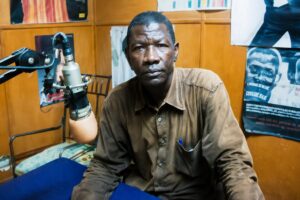
Moussa Kaka’s prolonged detention without formal charges has sent shockwaves through Niger’s business community, raising concerns about the country’s economic stability and rule of law. As foreign investors monitor the situation closely, the case threatens to undermine the fragile trust that has slowly rebuilt since the transition period began. Financial analysts warn that such arbitrary detentions could deter future investments, particularly in a nation already grappling with security challenges and development needs.
Legal black hole: the human cost of indefinite detention
Since his arrest in late August 2026, Moussa Kaka has remained incommunicado, with authorities failing to disclose the reasons behind his detention. This legal limbo has created a climate of fear among journalists and human rights activists, who see it as a dangerous precedent for state-sanctioned secrecy. The lack of transparency not only violates constitutional guarantees but also erodes public trust in institutions, leaving citizens and businesses alike in the dark about the rules governing their rights.
The domino effect on local media
Moussa Kaka’s case has become a cautionary tale for Nigerien journalists, many of whom now practice self-censorship to avoid similar fates. The chilling effect on press freedom is palpable, with reporters increasingly hesitant to cover sensitive topics related to governance, security, or human rights. This shift in journalistic behavior threatens to deprive the public of critical information, further destabilizing Niger’s democratic institutions and economic prospects.
International scrutiny grows as Niger’s image takes a hit
The prolonged detention has drawn criticism from global watchdogs, who argue that Niger’s approach to press freedom undermines its international standing. Diplomatic sources indicate that foreign governments and multilateral organizations are closely evaluating their engagement with Niger, particularly in sectors tied to media cooperation and human rights initiatives. The case risks tarnishing the country’s reputation as a stable partner, potentially isolating it from key development partners and trade opportunities.
Businesses face collateral damage
- Supply chain disruptions: Companies operating in Niger report increased logistical challenges as uncertainty over the detention case prompts security firms to reevaluate their risk assessments.
- Talent drain: Skilled professionals, including journalists and legal experts, are reconsidering opportunities in Niger due to fears of arbitrary state actions.
- Investment freeze: Venture capitalists and private equity firms are delaying or canceling projects, citing the lack of legal clarity and institutional stability.
What’s next? The path to resolution and recovery
For Niger to reclaim its position as a stable and predictable partner, authorities must act decisively to resolve Moussa Kaka’s case. Legal experts stress that immediate steps—such as formal charges, access to legal counsel, and transparent court proceedings—are essential to restore confidence. Failure to address the issue risks deepening the economic and reputational damage, making recovery an even steeper challenge for a nation already navigating multiple crises.
A litmus test for Niger’s transition
The handling of Moussa Kaka’s detention will serve as a critical benchmark for Niger’s commitment to democracy and rule of law. As civil society and the media community rally for justice, the outcome of this case will shape the country’s future trajectory—either reinforcing its fragile institutions or accelerating a slide into further instability. The stakes could not be higher for a nation at a crossroads.