State intervention backfires, leaving businesses and consumers in the lurch
The Malian government’s sudden move to block cattle exports for six months—renewable—is exposing the human and economic cost of substituting policy whims for market realities. Behind the stated goal of protecting household budgets lies a blunt violation of business freedom that will reverberate from Bamako’s livestock yards to the dinner tables of neighboring capitals.
Private operators bear the brunt of protectionist measures
Livestock is a cornerstone of Mali’s economy: it contributes over 15 % of GDP and injects more than 150 million USD annually into the national treasury. Yet, instead of equipping breeders, traders and transporters to weather the storm, the authorities are choosing to throttle their lifeline. By sealing borders with Senegal, Côte d’Ivoire and Guinea, Bamako is reviving an outdated protectionism that hits local entrepreneurs hardest—those who have already watched their animal-feed costs and transport tariffs spiral.
Artificial surpluses, collapsing margins
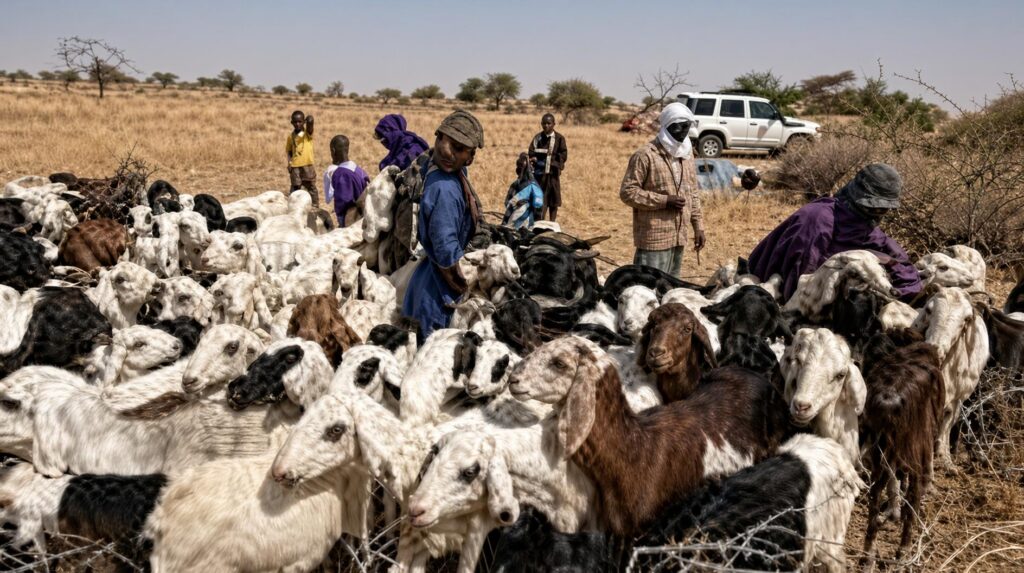
Cattle remain penned while feed prices soar and roads remain treacherous. The export freeze risks engineering a domestic glut, crushing profit margins for herders who had planned their seasonal sales. Thousands of small and medium operators—many already indebted—now face a double squeeze: shrinking income and unsold stock piling up in holding pens.
Price controls fail where supply chains break down
The root causes of rising meat prices are no mystery: erratic relocation of livestock markets by local councils, skyrocketing feed costs, road insecurity and systematic extortion at checkpoints. Yet, rather than dismantling these bottlenecks, the state is reaching for the bluntest tool in the box—inhibition of exports. History shows this playbook always ends in shortages: why would a farmer invest in modernizing a herd if tomorrow’s decree could instantly erase access to higher-paying regional markets?
A blow to regional trade and investor confidence
More than 99 % of Mali’s cattle exports flow to neighboring countries through an intricate cross-border network. By threatening to sever this artery, policymakers are not only undermining regional integration; they are broadcasting a message of regulatory unpredictability that will deter future investment. Predictable rules and commercial freedom are the bedrock of sustainable trade—traits the current ban tramples underfoot.
What would genuinely cool meat prices?
If Bamako truly seeks to tame inflation, it should cease treating private actors as scapegoats for public-sector shortcomings. Sustainable solutions lie elsewhere: securing transport corridors, trimming cumbersome administrative levies and restoring confidence in market access. Only then will the supply chain breathe again and prices follow.