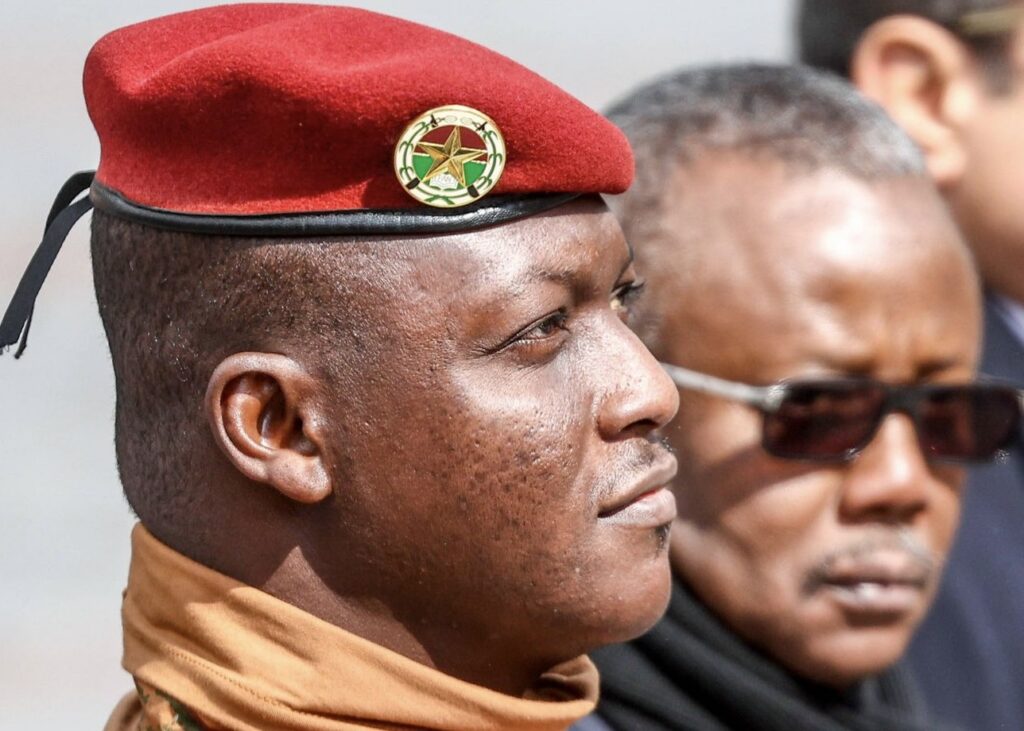
Burkina Faso reinstates death penalty after eight-year ban, igniting public outrage and political tensions
The Burkina Faso legislative assembly, dominated by Captain Ibrahim Traoré’s military junta, has formally reinstated the death penalty in a historic move that has sent shockwaves through the nation. Following a unanimous vote on October 20, a revised penal code now includes capital punishment for the first time since 2018, marking a dramatic reversal in the country’s legal and moral landscape.
- Legal reform
- October 20, 2026

The decision to bring back capital punishment was not merely symbolic—it was etched into law with uncharacteristic speed and unanimity. Lawmakers, all appointed rather than elected since the junta’s 2022 takeover, rubber-stamped the new penal code without dissent, a move critics argue reflects the erosion of democratic norms. The reforms, announced last December, were positioned by the government as essential tools for restoring security and upholding national values in the face of relentless terrorist threats.
In an official statement, the Ministry of Justice framed the reform as a safeguard for public order and citizen safety: “The revised penal code strengthens our commitment to protecting lives and property, reinforcing the foundational principles of our nation.” Yet the passage of this legislation has done little to quell dissent. Human rights advocates and opposition figures have condemned the move as a dangerous step backward, warning of potential abuse and irreversible ethical consequences.
Under the new law, crimes including terrorism, espionage, treason, parricide, and importing expired or banned goods that result in death are now punishable by death. The last recorded execution in Burkina Faso dates back to 1988, according to Amnesty International, which has long opposed the reinstatement of capital punishment anywhere in the region.
As the country braces for the fallout, the junta’s decision is already drawing international criticism and fueling protests in major cities. Analysts suggest the timing of the law’s adoption—amid ongoing security crises and political instability—may deepen divisions and undermine efforts to restore stability. What remains unclear is whether the threat of death sentences will deter violence or further polarize a nation already fractured by years of conflict.