Ebola’s silent march reaches Nigeria’s capital, sparking economic and health alarms
Nigerian health authorities confirmed Nigeria’s first imported case of Ebola this week after a woman developed symptoms following international travel. The detection in Abuja on October 20, 2026, has shattered the country’s five-year streak without local transmission and triggered urgent nationwide containment measures.
With 44 high-risk contacts already identified and isolated, authorities are racing to trace additional exposures while reassuring citizens that transmission risks remain low. The case has elevated concerns across West Africa, where memories of the devastating 2014–2016 epidemic still loom large.
From Central Africa to Nigeria’s doorstep: tracing the outbreak’s path
The confirmed case links to a regional outbreak of the Bundibugyo Ebola virus , originally detected in the Democratic Republic of Congo (DRC) in May 2026. While the DRC continues to report the majority of cases, neighboring countries have seen isolated infections, including Kenya’s recent confirmation of nine cases as of October 20.
For Nigerian health officials, the critical question remains: where did the Abuja patient contract the virus? Investigations suggest possible exposure during travels in eastern DRC, though Uganda officials deny transmission occurred on their soil—despite the woman transiting through Kampala after a professional trip.
This uncertainty underscores the global mobility challenges in halting Ebola’s spread. Commercial flights, cross-border trade, and professional travel create pathways for the virus to evade detection, demanding rapid inter-country coordination.
Lessons from 2014: Can Nigeria repeat its containment success?
During the 2014–2016 epidemic, Nigeria became a model for swift Ebola control, isolating a single patient in Lagos and preventing further transmission. This time, the stakes are even higher—the country now hosts Africa’s largest economy and serves as a regional hub for business and travel.
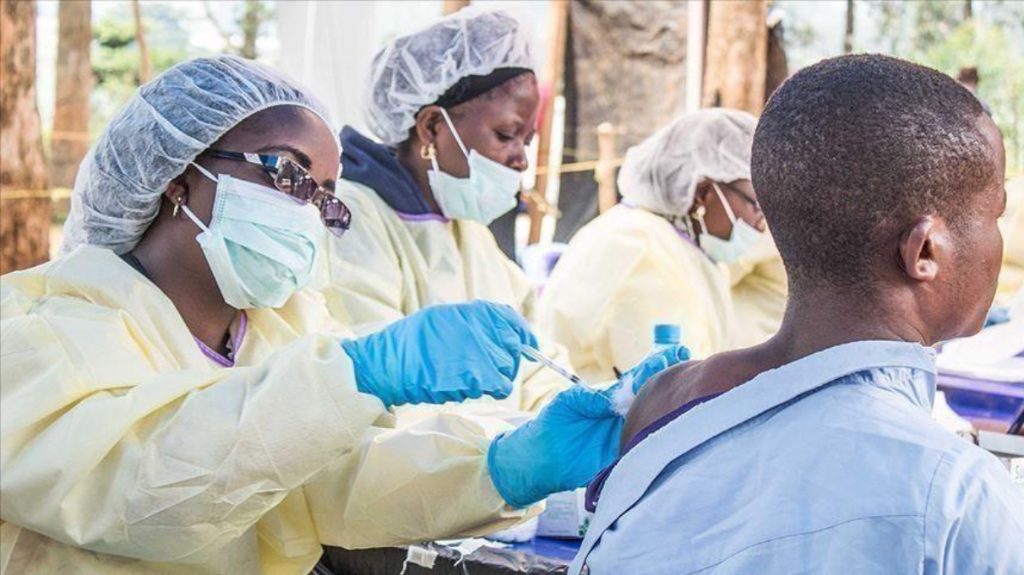
The federal health ministry, Nigeria Centre for Disease Control (NCDC), and Africa CDC have mobilized lab diagnostics, border surveillance, and public awareness campaigns. Yet the speed of Nigeria’s response will determine whether this imported case sparks a full-blown outbreak or remains contained.
What you need to know about Ebola’s spread and symptoms
Ebola is transmitted through direct contact with bodily fluids of infected individuals or contaminated objects—not through casual proximity. Symptoms include:
- Fever and fatigue followed by severe muscle pain
- Gastrointestinal distress: vomiting and diarrhea
- Hemorrhaging in advanced stages, with high fatality rates if untreated
Public health experts warn that self-medication and delayed reporting pose greater risks than physical proximity to infected persons. Suspected cases must seek immediate medical evaluation to prevent further transmission.
Economic ripple effects: Protecting livelihoods amid health crises
The confirmation of Ebola in Abuja threatens more than public health—it disrupts Nigeria’s economic pulse. Lagos, the country’s commercial capital, saw travel cancellations and trade slowdowns during the 2014 outbreak; a repeat scenario could hit agriculture, manufacturing, and tourism sectors hard.
Small businesses, already vulnerable to currency fluctuations and inflation, may face additional strain from public panic. Health officials emphasize that calm communication and evidence-based policies are essential to minimize economic fallout.
The road ahead: Coordination vs. complacency
As Nigeria grapples with this new reality, neighboring West African nations are on high alert. The Africa CDC has called for strengthened cross-border surveillance and rapid information-sharing to prevent undetected cases from slipping through.
For now, the focus remains on containment: tracing contacts, isolating the infected patient, and educating the public. But the clock is ticking—history shows that Ebola’s first critical days often decide whether an outbreak spirals or fizzles out. Will Nigeria replicate its 2014 success, or will this imported case mark the start of another devastating chapter?