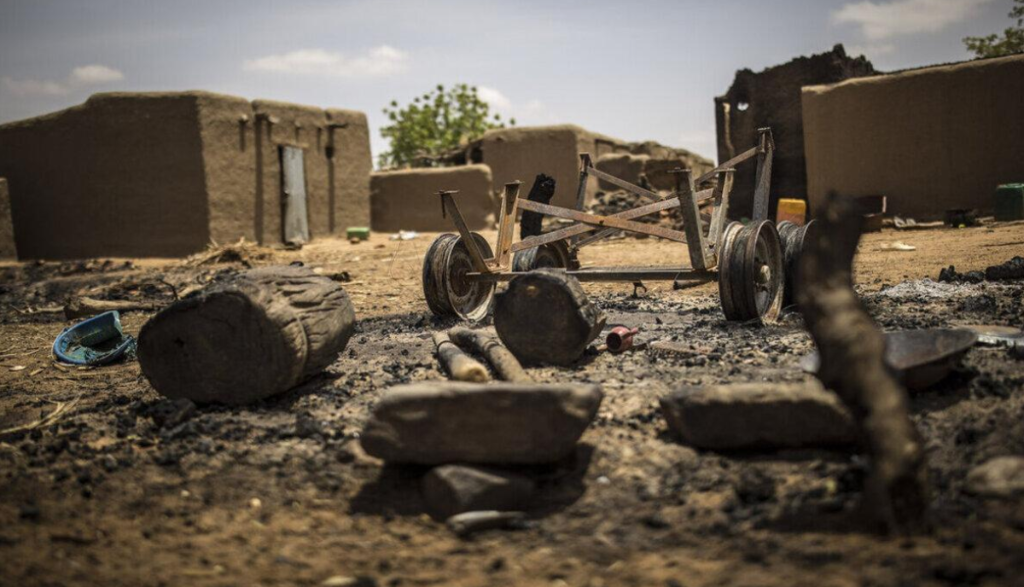
Mali’s escalating conflict leaves civilians in crossfire
The humanitarian toll of Mali’s prolonged armed conflict has reached critical levels, with civilians bearing the brunt of military operations and insurgent attacks. Recent documented atrocities highlight systematic violations of international humanitarian law by both government-aligned forces and armed groups, raising urgent questions about accountability and regional intervention.
Documented attacks reveal indiscriminate violence against unarmed populations
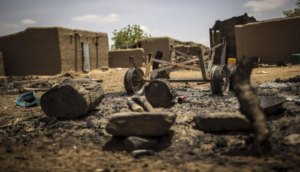
Human Rights Watch’s latest findings, based on field investigations in July-September 2026, expose a pattern of deliberate and reckless violence targeting civilians in central and northern Mali. Among the most shocking incidents is a drone strike on Tombonkore cattle market in Bandiagara on August 19, which killed six civilians and injured over 20 others. Survivors reported no armed presence at the market—underscoring grave concerns about adherence to conflict rules governing proportionality and distinction.
Healthcare in the line of fire: when medical facilities become military targets
In another alarming case, a drone attack on a health center in Talahandak (Kidal region) on July 29 destroyed critical medical infrastructure, including vital supplies. This follows attacks on civilian workers: five girls aged 10–13 were killed by Malian soldiers near Niono on July 12 after being mistaken for attackers—a tragic failure of precautionary measures in active combat zones.
Mistaken identity and collateral damage: the human cost of military errors
The report details how government-aligned Dozo militias executed three civilians in Mopti on July 27–28, while insurgent factions like the Group for the Support of Islam and Muslims (GSIM) and the National Movement for the Liberation of Azawad (MNLA) summarily executed at least 19 captured soldiers near Gao on July 18. These acts violate core protections under international law, including the prohibition on torture, extrajudicial killings, and destruction of protected objects such as hospitals.
Accountability under scrutiny: who will answer for these crimes?
Despite repeated calls for independent investigations, no credible accountability mechanism has materialized. Human Rights Watch’s appeal to Mali’s Defence Minister went unanswered as of report publication. The absence of transparent probes—coupled with continued attacks on civilians—fuels a climate of impunity that emboldens further abuses. International observers warn that without robust regional oversight, the cycle of violence will persist, eroding public trust and exacerbating socio-economic instability.
Time for action: what the African Union must do now
The crisis demands immediate intervention by the African Union’s Peace and Security Council. Proposed measures include: regular public updates on protective measures, establishment of an independent investigative body, and enforcement of sanctions against perpetrators. The survival of civilian populations hinges on whether regional leaders can translate condemnation into action—and whether the international community will hold violators to account. With lives hanging in the balance, hesitation is no longer an option.