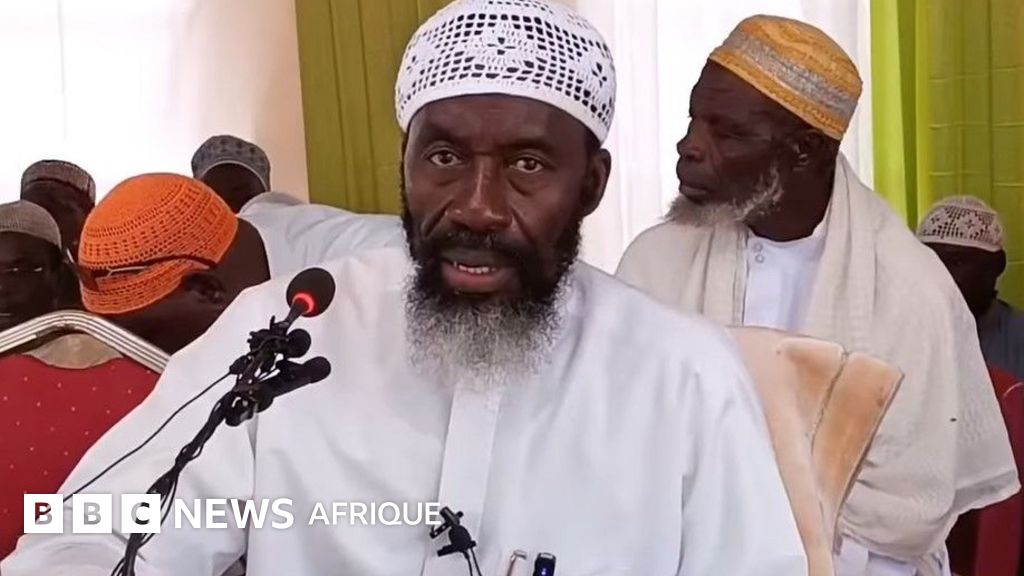
A high-profile arrest has sent shockwaves through Burkina Faso after influential Sunni imam and preacher Mohamad Ishaq Kindo was detained in Ouagadougou on Tuesday, May 26. Security forces, including masked police and military personnel, intercepted him around 2:00 PM local time—just one day before Eid al-Adha—and took him to an undisclosed location. The move follows sharp criticism from Kindo regarding the recently adopted religious freedoms bill passed on March 19.
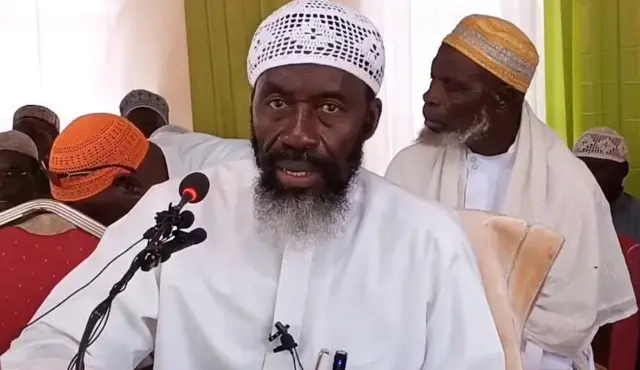
what triggered the arrest?
The Federation of Islamic Associations of Burkina Faso (FAIB) condemned the detention shortly after it occurred, stating that Kindo, who also heads the country’s Sunni Ulema Council, was taken under unclear circumstances without official justification. The organisation has since filed formal complaints with authorities to seek clarity and accountability.
In a widely circulated social media recording posted just 48 hours prior to his arrest, Kindo publicly condemned the new religious freedoms bill, calling on authorities to reconsider its implications. He warned that no individual—regardless of position—could restrict public prayer or impose limits on faith.
public reaction and unrest
The arrest sparked immediate backlash. Dozens of Muslims gathered in central Ouagadougou to demand Kindo’s release, but the demonstration was swiftly dispersed using tear gas. Meanwhile, the FAIB urged followers to remain calm and avoid escalation during this delicate period.
Following the Eid al-Adha prayers, the President of Burkina Faso addressed the nation on social media. While praising security forces for their ongoing fight against jihadist insurgency, he issued a stern warning to those attempting to destabilise the country, vowing full accountability for any actions deemed harmful to national stability. At present, no official statement has been issued regarding Kindo’s detention.
key provisions of the disputed religious freedoms law
The controversial legislation, adopted by the Council of Ministers on March 19, seeks to regulate religious practices in order to curb online hate speech, religious extremism, and other forms of intolerance. Authorities have clarified that while the law is not entirely new, it has been updated to address rising security threats.
The bill prohibits the construction of religious buildings within public institutions, with limited exceptions for healthcare facilities, prisons, and military barracks. Despite these restrictions, authorities insist that public prayer remains permitted as long as it respects the beliefs of others and does not disrupt public order.
political context and ongoing tensions
The arrest of Mohamad Ishaq Kindo comes amid a broader climate of repression since the military takeover nearly four years ago. President Ibrahim Traoré’s administration has faced criticism for silencing dissent under the pretext of combating terrorism—a strategy that has drawn international concern.