What we know about the detention of Sunni Imam Mohamad Ishaq Kindo
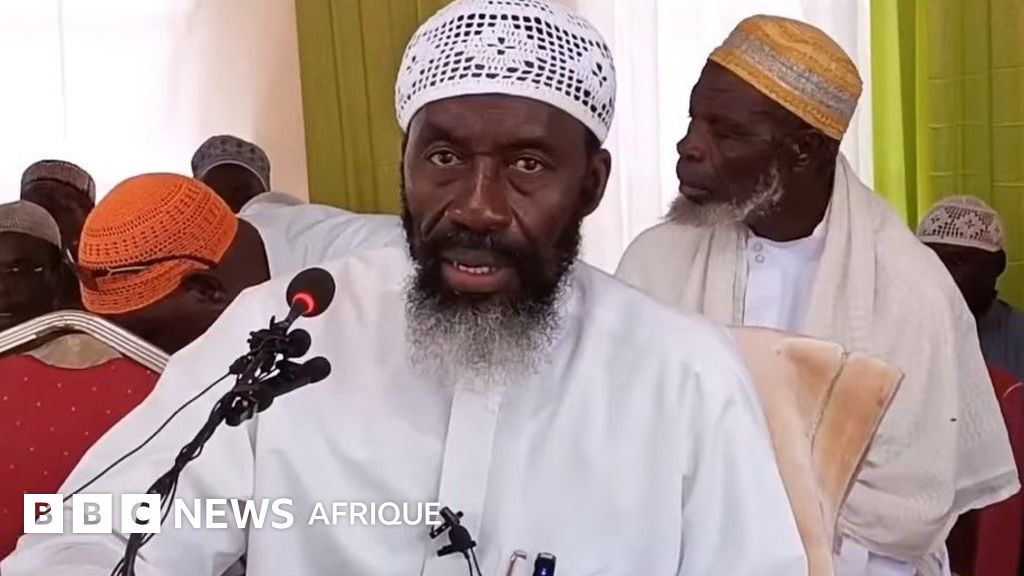
Photo credit, YouTube screenshot
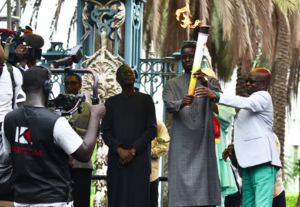
The detention of influential Sunni Imam Mohamad Ishaq Kindo, President of Burkina Faso’s Sunni Ulema Council, has sent shockwaves through the nation. On Tuesday, May 26, security forces—including masked police and military personnel—stormed his location in Ouagadougou just hours before the Eid al-Adha celebrations. The operation, described as forceful by witnesses, led to clashes with worshippers and left several injured.
The arrest follows a controversial video posted online two days prior, where the imam publicly criticized the government’s newly adopted religious freedoms bill. Passed in March, the law aims to regulate religious practices and curb online hate speech and extremism. In his sermon, he warned authorities against overreach, declaring, “Beware of trying to ban public prayers. No leader, no matter how powerful, possesses the divine authority to do so.”
The Burkina Faso Islamic Associations Federation (FAIB) condemned the arrest in a statement, noting that no official explanation has been provided. The organization has since filed urgent appeals to clarify his whereabouts and secure his release, emphasizing the lack of transparency surrounding the case.
Public outrage erupts in Ouagadougou
Hours after the imam’s detention, hundreds of supporters gathered in Ouagadougou to protest his arrest, chanting for his immediate freedom. Security forces responded with tear gas, dispersing the crowd and restoring order. The FAIB urged calm, calling for restraint and patience among the Muslim community amid escalating tensions.
No government response as speculation grows
The following day, coinciding with Tabaski celebrations, President Ibrahim Traoré addressed the nation via social media. While praising security forces for their fight against jihadist groups, he issued a stern warning to those undermining national stability, threatening consequences for any actions deemed subversive.
Key provisions of the disputed law include:
- Ban on building places of worship in public institutions, except hospitals, prisons, and military barracks.
- Regulation of online religious discourse to prevent hate speech and radicalization.
- Reinforcement of secular governance while guaranteeing freedom of belief.
The government frames the law as a necessary tool to combat rising extremism, but critics argue it stifles dissent. Since the military took power in 2022, multiple vocal critics have disappeared under unclear circumstances, further fueling concerns about the regime’s crackdown on opposition voices.
Uncertainty looms over Kindo’s fate
As the Muslim community braces for further developments, the silence from authorities has left many questions unanswered. The arrest of a prominent religious leader—just days after criticizing state policies—has intensified debates about Burkina Faso’s commitment to religious freedom and civil liberties under its current leadership.