Controversial arrest of influential imam Mohamad Ishaq Kindo in Ouagadougou

Photo credit: YouTube screenshot
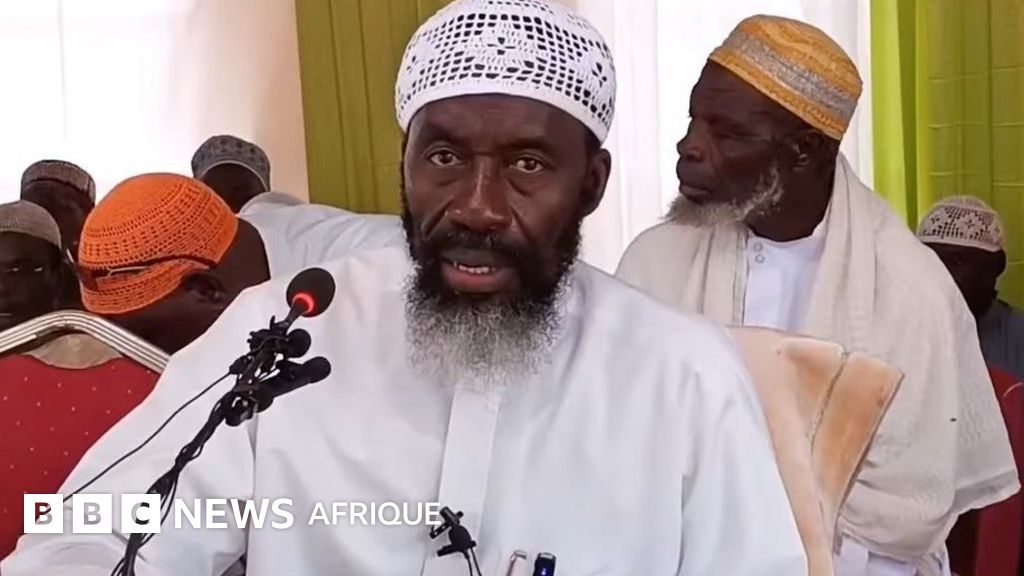
Ouagadougou — The arrest of prominent Sunni imam and preacher Mohamad Ishaq Kindo has sent shockwaves through Burkina Faso’s Muslim community. The influential religious leader was taken into custody on Tuesday, May 26, by masked security forces—including police and military personnel—and transported to an undisclosed location.
Timing of the arrest has raised eyebrows. It occurred just two days after Kindo publicly criticized a newly adopted religious freedoms bill, passed by the government on March 19. The bill aims to regulate religious practices, particularly addressing online hate speech and extremist content.
In a swift response, the Federation of Islamic Associations of Burkina Faso (FAIB) issued a statement expressing concern over Kindo’s detention. The organization, of which he is a leading member, confirmed his arrest took place in the afternoon but noted that no official justification had been provided.
The FAIB also stated it had initiated formal inquiries with authorities to secure clarity on the situation and ensure a fair resolution.
High-tension arrest
A close associate of the imam, who witnessed the incident, described the operation as violent and forceful. The arrest unfolded around 2:00 PM local time—on the eve of Eid al-Adha, one of Islam’s holiest celebrations—when security teams, clad in hoods, moved in to detain Kindo.
“The scene quickly escalated,” the witness recounted. “Fellow believers tried to intervene, leading to clashes and injuries among the worshippers.”
Another source confirmed that several Muslims were hurt during the confrontation with security forces.
The imam had recently gained attention for a widely shared video message in which he condemned the religious freedoms bill. In his remarks, he warned authorities against overreach, stating: “No leader, regardless of power or influence, can suppress public prayer or dictate faith.”
Public outrage sparks protests
Kindo’s detention has fueled widespread discontent. Within hours, hundreds of Muslims gathered in Ouagadougou to demand his release. According to eyewitnesses, the peaceful protest was met with tear gas as authorities moved to disperse the crowd.
The FAIB issued an urgent appeal to its followers, urging calm and restraint while awaiting further developments.
Government remains silent
As Eid al-Adha celebrations concluded, the country appeared to settle into a tense calm. The following day, Burkina Faso’s Head of State addressed the nation via social media. While praising security forces for their fight against terrorism, he also issued a stern warning:
“Those who seek to undermine national stability, discourage our troops, or disrupt peace will bear full responsibility for their actions.”
To date, no official statement has been made regarding Kindo’s arrest or his whereabouts.
New religious freedoms law fuels debate
The bill that sparked controversy—officially adopted by the Council of Ministers on March 19—seeks to regulate religious expression to curb online radicalization and hate speech. Government officials defend the law as a necessary safeguard against extremism and insecurity.
Mariem Sanogo, Director General of Religious, Customary, and Traditional Affairs, explained that the revised legislation responds to the rise of violent extremism and inflammatory online discourse. Its goal, she said, is to strengthen national cohesion and protect citizens from divisive rhetoric.
Among its key provisions, the law prohibits the construction of religious buildings within public institutions, with limited exceptions for healthcare facilities, prisons, and military barracks. Authorities clarified that private prayer in public spaces remains permitted—as long as it respects others’ beliefs.
The arrest of Imam Kindo comes amid growing concerns over civil liberties in Burkina Faso, where military rule has been in place for nearly four years under Captain Ibrahim Traoré. Critics argue that recent crackdowns on dissent are being justified under the pretext of national security.