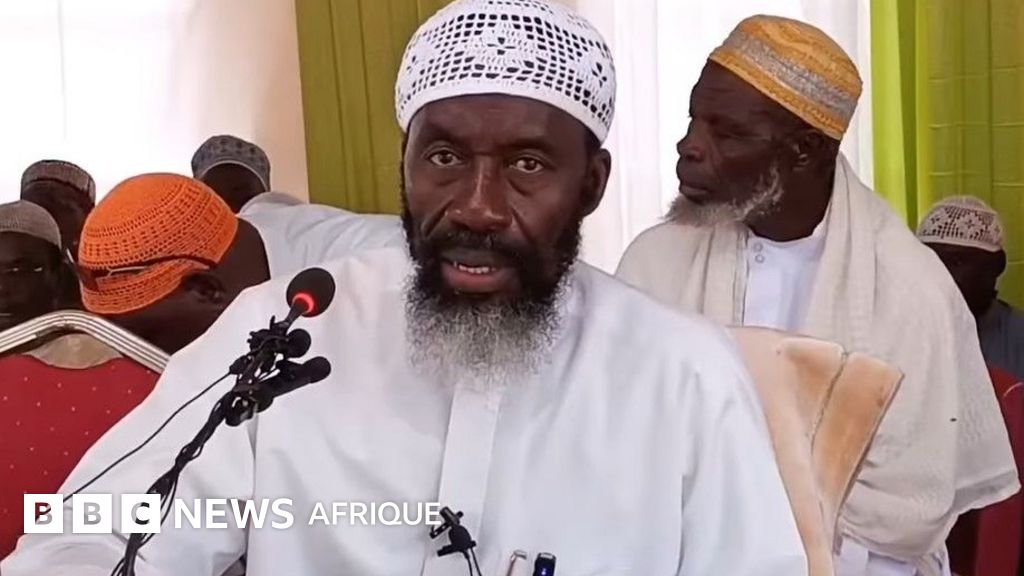
Ouagadougou witnessed a tense development this week as Mohamad Ishaq Kindo, a prominent Sunni imam and religious leader, was taken into custody by security forces on Tuesday, May 26. The arrest occurred just two days after the imam publicly criticized a new religious freedoms bill adopted in March, drawing widespread attention and sparking immediate reactions within the Muslim community.
The Federation of Islamic Associations of Burkina Faso (FAIB) issued a statement shortly after the incident, confirming Kindo’s detention but noting that authorities had not yet disclosed the reasons behind it. The organization stated it had initiated formal inquiries with relevant government bodies to obtain clarity and ensure a fair resolution.
Violent arrest sparks outrage
A close associate of the imam, who witnessed the operation, described the scene as chaotic. The arrest took place around 2:00 PM local time, just before the Eid al-Adha celebrations, and involved masked security personnel—including police and military officers. Tensions escalated as supporters attempted to intervene, resulting in clashes and injuries among worshippers.
Another eyewitness reported that several faithful were hurt during the confrontation, further fueling community distress. The imam’s remarks, which had circulated widely on social media just days prior, included sharp criticism of the new law. In his sermon, he had urged authorities to “reconsider their actions” and warned against suppressing public prayers, declaring, “No leader, no matter how powerful, can challenge the will of God.”
Protests erupt following detention
Public anger over the arrest manifested quickly. Within hours, hundreds of demonstrators gathered in Ouagadougou, demanding the imam’s release. The protest was met with force, as riot police deployed tear gas to disperse the crowd. In response, the FAIB called for calm, urging Muslims to remain peaceful and composed amid the unfolding situation.
By the following day, as Eid al-Adha festivities continued, tensions appeared to ease. However, the absence of an official statement regarding Kindo’s status left many questions unanswered. The President of Burkina Faso, who marked the holiday with a public address, emphasized the government’s commitment to national security while condemning any attempts to undermine state institutions. Without directly referencing the imam’s case, he warned that those opposing the nation’s stability would “face full accountability.”
New religious freedoms law under scrutiny
The controversial legislation, passed by the government on March 19, aims to regulate religious practices and curb online extremism, hate speech, and radicalization. Authorities have framed it as essential to preserving social cohesion and public order. A key provision prohibits the construction of places of worship in public buildings, except in certain health or military facilities.
While the law does not ban prayer in public spaces, it seeks to prevent the proliferation of religious structures in state institutions—a measure justified by the government’s stated goal of maintaining neutrality and equal treatment across faiths. The authorities have repeatedly linked their policies to the ongoing fight against jihadist insurgencies that have destabilized large parts of the country since 2015.
Since the military takeover in 2022, Burkina Faso has operated under a transitional government led by Captain Ibrahim Traoré. His administration has faced criticism for tightening restrictions on dissent, citing security imperatives. The arrest of Imam Kindo adds to a pattern of high-profile detentions of religious and political figures whose views diverge from official narratives.
The whereabouts and legal status of Mohamad Ishaq Kindo remain unclear, leaving the Muslim community and human rights observers closely monitoring the situation. Until further details emerge, the episode continues to highlight the delicate balance between state authority and religious expression in Burkina Faso.