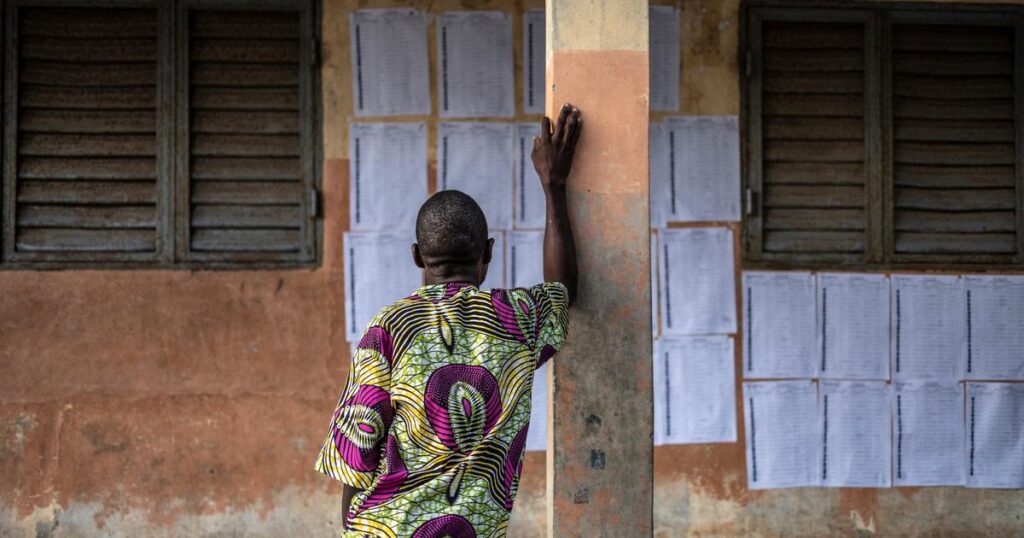
“Preordained victories,” “lackluster elections,” and “incumbents winning in the first round.” The presidential polls across Africa in 2025 followed a familiar pattern: opposition forces were systematically sidelined even before campaigns officially began. The most recent examples came from Djibouti on April 10 and Bénin on April 12, where incumbents secured landslide victories—97.8% and 94% of the vote, respectively. These outcomes left little room for doubt about the integrity of the process.
In Djibouti, opposition leader Alexis Mohamed abandoned his candidacy, citing insurmountable hurdles. While he highlighted safety concerns, the primary obstacle was financial: “the exorbitant nomination fees.” Analysts described the election as “a mere formality,” a verdict that underscored deeper systemic issues.