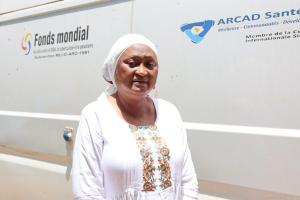
dr. bintou dembélé: empowering malian communities through trusted science
Bamako – Marking World Health Day 2026, themed “Uniting for Health. Championing Science,” the World Health Organization (WHO), the United Nations’ specialized agency for public health, is spotlighting dedicated individuals who leverage scientific advancements to uplift populations across the African Region.
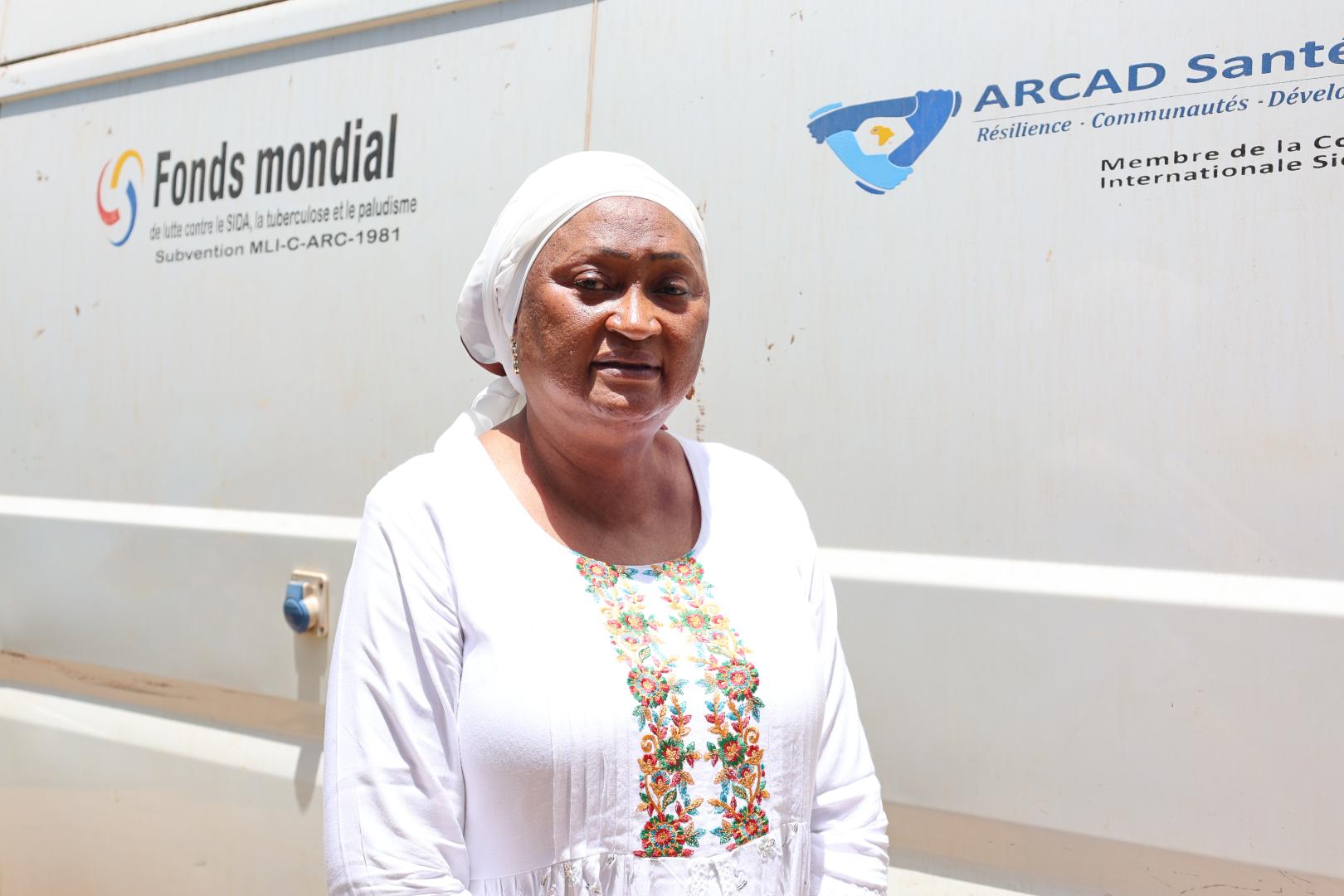
Dr. Bintou Dembélé, a distinguished physician and public health expert, has devoted many years to combating infectious diseases and fortifying health systems within Mali and the broader West African region. Driven by her conviction that science must serve the well-being of communities, she advocates for the strategic application of scientific insights to preempt health crises, enhance care delivery, and cultivate stronger trust among researchers, policymakers, and the public. For World Health Day, she articulates her vision for science that is accessible, collaborative, and relevant to daily life.
Why is it crucial to back science today for superior population health protection?
In our contemporary world, the pivotal role of scientific endeavor has never been more pronounced. It facilitates the creation of innovative medications, vaccines, and therapeutic approaches essential for effectively combating both long-standing and emerging diseases.
Furthermore, science holds a foundational position in disease prevention. A deeper understanding of how illnesses manifest and propagate enables us to proactively mitigate risks before health emergencies can escalate.
It also plays a vital part in advancing diagnostic tools, refining medical equipment, and optimizing healthcare organization. This collective progress ultimately strengthens health systems, thereby enhancing patients’ chances of survival and recovery.
How can scientific collaborations bolster health outcomes in Mali and West Africa?
Scientific collaboration fosters the invaluable exchange of knowledge, practical experiences, and essential resources. In West Africa, where numerous nations grapple with comparable health challenges, working together represents a significant advantage.
These partnerships are instrumental in the fight against both endemic and non-communicable diseases, concurrently improving maternal and child health. For instance, they drive the development of targeted solutions to reduce maternal and neonatal mortality rates.
Beyond direct health benefits, these collaborations yield positive impacts on socioeconomic progress. Healthier populations are inherently more resilient and better equipped to contribute fully to social and economic life.
The “One Health” approach is a central focus this year. How can this concept empower communities to avert health crises?
The “One Health” framework is built upon a straightforward yet fundamental principle: human health is intricately interconnected with animal health and the health of our environment. By grasping these profound linkages, communities can more effectively anticipate and prevent various health risks.
It promotes collective vigilance through localized surveillance mechanisms and strengthens dialogue channels between scientific researchers and the general populace. This approach also champions the value of indigenous knowledge and encourages participatory research, transforming communities into active stakeholders in their own health journeys.
What strategies can accelerate the transformation of scientific data into tangible actions on the ground?
Scientific data functions as a critical public asset. To realize its utility, this data must be analyzed, disseminated, and applied swiftly, utilizing robust mechanisms that can convert research findings into concrete policy decisions.
By rapidly integrating data into public health policies, we can more effectively direct health interventions, optimize resource allocation, and respond with greater precision to the evolving needs of the population.
How can we encourage populations to embrace and trust science?
Trust is inherently cultivated through understanding. To foster public acceptance and support for science, it is imperative to ensure that scientific information is presented accessibly, clearly, and in a manner that resonates with local realities.
Transparently sharing knowledge through community-proximate channels facilitates open dialogue and stimulates social mobilization. In this way, science evolves into a shared instrument, benefiting everyone, and can inspire a genuine movement of public support.
Chargée de communication
Bureau Régional de l’OMS pour l’Afrique
Email: dialloka [at] who.int (dialloka[at]who[dot]int)
WHO assistant (Library)
Email: cissea [at] who.int (cissea[at]who[dot]int)