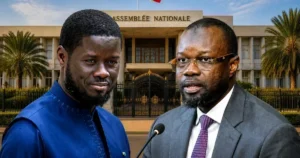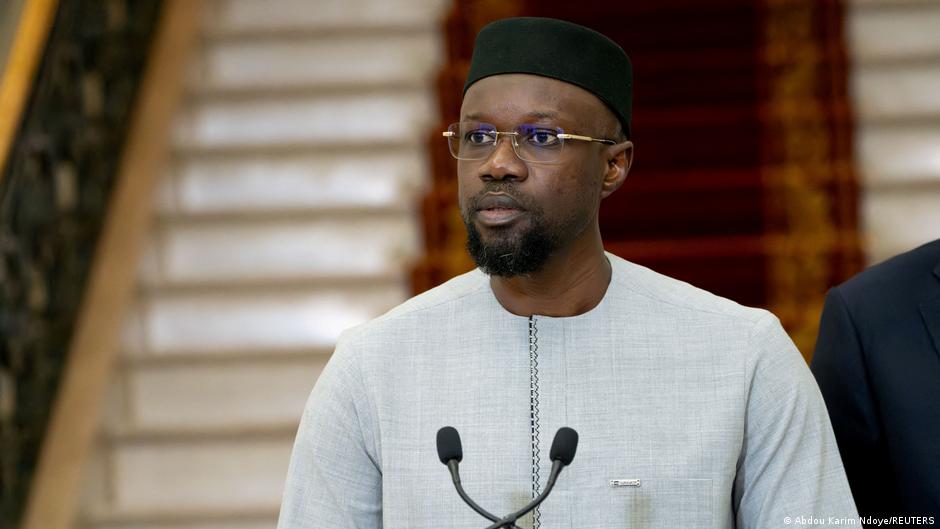
The Senegalese Constitutional Council has dealt a fresh blow to Ousmane Sonko by rejecting the institutional reform proposed by his Pastef party. The decision, announced yesterday, marks a significant setback for Sonko’s ambitions, particularly in light of the ongoing political rivalry with President Bassirou Diomaye Faye.
The council’s ruling invalidated the reform on constitutional grounds, citing two critical irregularities. First, it found the proposal lacked a clear financial framework for the establishment of a new constitutional court—a key component of the reform. Second, it determined that parliamentary procedures were violated during the review of government amendments, including the refusal to apply the blocked voting mechanism requested by the executive branch.
This is not just a legal setback for the Pastef-led majority in the National Assembly. It also signals a broader erosion of Ousmane Sonko’s political leverage at a time when tensions between him and President Faye are escalating. The reform, which aimed to redistribute powers between state institutions, was seen as a critical step in consolidating the ruling party’s agenda.
political fallout and public reaction
Ousmane Sonko acknowledged the council’s decision in a public statement, framing it as an unfortunate obstacle rather than a final defeat. Meanwhile, supporters of the reform argue that the ruling party could revisit the proposal—provided it adheres strictly to constitutional requirements, particularly regarding public funding for new institutions like the constitutional court.
Civil society voices, including Dr. Binette Ndiaye, coordinator of the Citizen Forum, have praised the council’s decision for upholding the rule of law. “This is a victory for democracy,” Ndiaye stated. “It reminds us that even with a parliamentary majority, constitutional principles must be respected, and consensus should not be sidelined.”
a divided leadership under scrutiny
The constitutional ruling comes at a tense moment in Senegal’s political landscape. Once a close ally, Sonko and President Faye now find themselves at odds over governance priorities. Sonko’s recent removal from the prime minister’s office—where he was succeeded by Faye himself—has only intensified the power struggle within the ruling coalition.
Analysts warn that the council’s decision could further destabilize the relationship between the two leaders, potentially derailing the government’s reform agenda. With no clear path forward, the political future of Ousmane Sonko—and the stability of the Pastef party—hangs in the balance.