Togo’s constitutional reforms under regional microscope as ECOWAS tightens pressure
Nine months after a landmark ruling by the ECOWAS Community Court of Justice, Lomé faces renewed pressure to justify its controversial constitutional overhaul—a move critics warn reinforces executive power under President Faure Gnassingbé. The October 2026 communication from the court, demanding concrete implementation steps for its January 2026 verdict, thrusts Togo’s democratic trajectory back into the spotlight, exposing tensions between national sovereignty and regional governance standards.
From presidential dominance to parliamentary disguise: the 2024 gambit
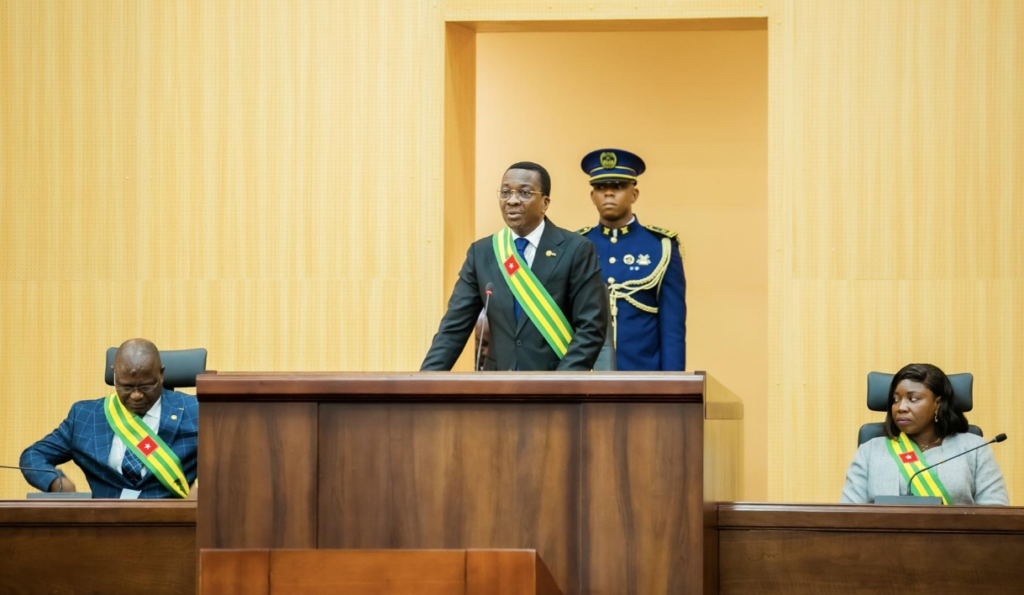
Togo’s 2024 constitutional reform, adopted amid vehement opposition, dismantled its presidential system to replace it with a parliamentary framework. Executive powers were ostensibly shifted to a newly created role: President of the Council of Ministers. Yet the maneuver drew swift condemnation, with detractors arguing the change merely masked a power grab, allowing Gnassingbé—who transitioned to the new position in May 2025—to retain control without fresh elections. The legal fiction of institutional reform obscured what remains a centralized grip on governance, prolonging a political dynasty that began in 1967.
ECOWAS’s red flag: where compliance meets controversy
In January 2026, the ECOWAS court ruled that Togo’s constitutional changes violated Article 23 of the African Charter on Democracy, Elections, and Governance. While it stopped short of annulling the 2024 Constitution or restoring the old presidential system, the ruling compelled Lomé to align future reforms with democratic norms. The October follow-up—requesting details of measures taken to implement the judgment—highlights a growing impasse: adherence to regional rulings versus preservation of domestic legal narratives.
The court’s insistence on transparency reflects broader unease about Togo’s democratic credentials, particularly as the region witnesses a rise in military-led governments and eroding checks on power. The current saga underscores whether Lomé will treat ECOWAS directives as binding obligations or as negotiable political considerations.
Sahel alliances and shifting geopolitical fault lines
Togo’s diplomatic pivot toward the Alliance of Sahel States (AES)—comprising Mali, Burkina Faso, and Niger—adds another layer of scrutiny to its democratic posture. Since 2024, Lomé has expanded strategic partnerships with these military-led regimes, citing regional stability and “sovereign dialogue” as justification. In April 2026, a new cooperation framework was unveiled, emphasizing political dialogue, security, and economic integration with Sahelian neighbors.
This alignment raises eyebrows among observers. While AES members claim to champion sovereignty and reject Western influence, their transitions often sideline democratic processes. Togo’s engagement, though framed as pragmatic diplomacy, mirrors similar power-concentrating trends—amplifying concerns over whether Lomé seeks to emulate or simply coexist with these models. The paradox is striking: as a CEDEAO member, Togo navigates between regional democratic expectations and alliances that challenge those very principles.
A delicate balance: sovereignty versus regional accountability
The government frames its Sahel outreach as a stabilizing force, positioning Togo as a mediator within West Africa’s fractured landscape. Yet the convergence in governance styles—centralized authority, diminished opposition space, and opaque transitions—paints a more complex picture. The constitutional reform, once sold as reformist, now stands alongside these alliances, blurring the line between evolution and entrenchment. Whether such alignment serves national interests or undermines democratic resilience remains a subject of intense debate.
What comes next? The government’s moment of reckoning
Faure Gnassingbé’s administration now faces a defining test. The ECOWAS court’s renewed inquiry demands more than rhetorical compliance; it requires tangible steps to demonstrate Togo’s commitment to the rule of law and democratic governance. Failure to respond convincingly risks deepening international skepticism and straining regional relations—already fragile amid the Sahel’s ongoing political flux.
Domestically, the silence surrounding the 2024 Constitution’s democratic legitimacy continues to fuel dissent. Civil society groups and opposition factions argue that institutional reforms must transcend cosmetic adjustments, ensuring genuine checks, electoral integrity, and the possibility of peaceful power transitions. The government’s forthcoming reply to ECOWAS could either quell these concerns or confirm fears of a democracy in name only, where constitutional amendments serve as tools of endurance rather than progress.
Togo at the crossroads: democracy’s record to be scrutinized
As West Africa grapples with a surge in military governance and contested transitions, Togo’s trajectory takes on regional significance. The constitutional reform, once a domestic affair, now sits at the intersection of international scrutiny and geopolitical realignment. Will Lomé use this moment to reinforce democratic institutions, or will it double down on a model that prioritizes continuity over accountability? The answer will shape not only Togo’s future but also the credibility of regional bodies like ECOWAS in upholding democratic norms amid shifting political sands.
One thing is clear: the court’s insistence on transparency has shifted the conversation from legal technicalities to a stark question—one that echoes across the Sahel and beyond. Can a nation balance sovereignty and regional obligations when both paths lead to similar outcomes: the concentration of power and the erosion of democratic safeguards?