political storm in Senegal as constitutional council blocks pastef reform
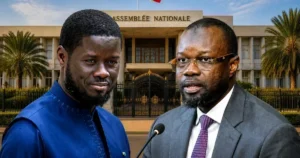
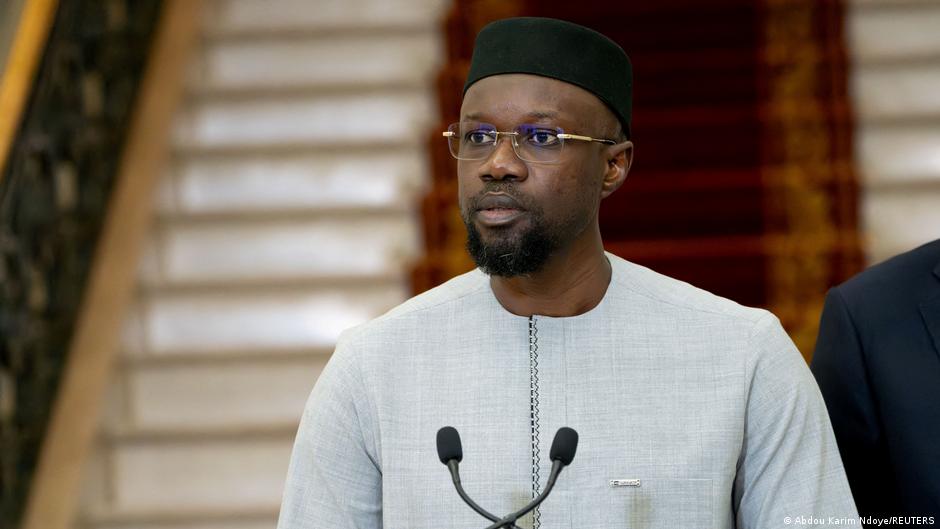
The Constitutional Council of Senegal has dealt a significant blow to the reform agenda of the ruling PASTEF party, invalidating a key institutional reform bill yesterday. The decision marks another setback for Ousmane Sonko, whose political influence has faced increasing scrutiny in recent months.
The reform, which aimed to rebalance institutional powers, was approved by Senegal‘s National Assembly, where the PASTEF holds a comfortable majority. However, the Constitutional Council identified two critical irregularities: the absence of a funding mechanism for the proposed Constitutional Court and procedural violations during the parliamentary review of government amendments.
This ruling comes after President Bassirou Diomaye Faye personally referred the matter to the Council, underscoring the gravity of the dispute. The decision effectively halts the reform process, leaving the government with limited options for immediate recourse.
political fallout and reactions
Adji Diarra Mergane Kanouté, former deputy and leader of the USD/A party, emphasized that while the ruling is a setback for the reform, it does not close the door entirely. She noted that a revised proposal could still pass if it complies with constitutional requirements, particularly regarding public expenditure and parliamentary procedures.
One of the reform’s most contentious aspects was the proposed expansion of parliamentary investigative powers, which would have granted lawmakers greater oversight of natural resource contracts and other previously restricted areas. The Council’s decision to block these measures has sparked immediate reactions from both sides of the political spectrum.
Ousmane Sonko acknowledged the ruling in a public statement, while supporters of the government defended the decision, citing the need to uphold constitutional integrity. Dr. Binette Ndiaye, coordinator of the Citizen Forum, praised the Council’s intervention, arguing that it reinforces the principle of inclusive governance.
growing tensions at the heart of power
The Council’s decision arrives amid escalating tensions between Sonko and President Faye. Since Sonko was removed from the Prime Minister’s office in May, his political maneuvers have become increasingly visible. Observers suggest that the reform’s failure could deepen divisions within the ruling coalition and reshape Senegal‘s political landscape in the coming months.
Analysts warn that the clash over institutional reform reflects broader struggles for influence within the government. The Council’s ruling may temporarily ease pressure on the presidency but raises questions about the future of Sonko‘s political ambitions.