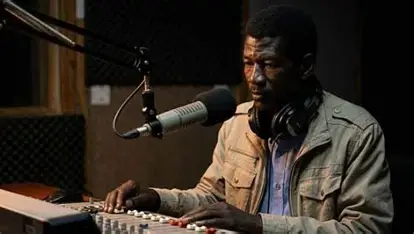
Two months after his disappearance, Nigerien journalist Moussa Kaka remains trapped in a web of silence under the military regime of General Abdourahamane Tiani. While authorities have finally conceded he is alive and in custody, they continue to withhold critical details about his detention undermining trust in Niamey’s commitment to human rights and press freedom.
Disappearance in the shadow of political turmoil
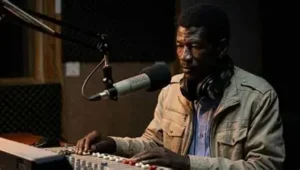
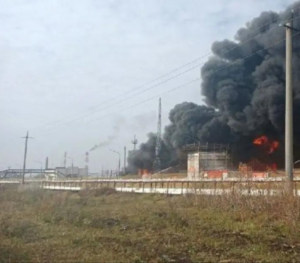
On August 31, 2026, Moussa Kaka, director-general of the Radio Télévision Saraounia (RTS) and former Radio France Internationale correspondent, left his media office in Niamey around 7 p.m. He never arrived home. His vehicle vanished from local tracking systems, and for weeks, his family, colleagues and supporters were left in the dark about his fate. His disappearance coincided with a tense period in Niger following a military mutiny that had shaken key installations in the capital. Though arrests followed within the armed forces, no direct link has been established between these events and Kaka’s detention.
Military regime’s opacity fuels suspicion
For nearly a month, Nigerien authorities offered no clarity on Kaka’s whereabouts or condition. It wasn’t until September 25, during Niger’s Universal Periodic Review at the United Nations Human Rights Council in Geneva, that Justice Minister Alio Daouda publicly acknowledged the journalist’s detention. On October 6, Daouda reaffirmed to press freedom groups that Kaka was alive and in state custody. Yet this admission only deepened concerns rather than ease them.
The regime has failed to address basic questions: Why was Kaka arrested? Who ordered his detention? What specific allegations are being made against him? Where is he being held? Why has he not been brought before a judge? And why are his family and legal representative still denied access?
Press freedom at stake under Tiani’s leadership
Kaka’s case has evolved from a personal tragedy into a national concern. His prolonged secret detention raises a fundamental question: How are civil liberties and press freedom being upheld under military rule in Niger?
The government’s refusal to disclose Kaka’s location, the legal basis for his detention, or even the charges he faces has fostered an atmosphere of fear and distrust. Such opacity suggests a system more focused on information control than accountability. It echoes a dark chapter in Kaka’s own career he was jailed for 379 days in 2007 under former President Mamadou Tandja for reporting on politically sensitive issues, only to be released after a national and international outcry.
International obligations ignored
The situation has drawn sharp criticism from global human rights bodies, including the UN Working Group on Enforced or Involuntary Disappearances, which has demanded Niger immediately clarify Kaka’s whereabouts. Human Rights Watch has called for his immediate release unless credible legal charges are presented. The call is urgent: Niger ratified the International Convention for the Protection of All Persons from Enforced Disappearance in 2015, which explicitly prohibits secret detentions and demands transparency.
Time for answers from Niamey
Sixty days have elapsed since Kaka vanished. Authorities now admit they are holding him, yet refuse to say where, why or under what authority. This is not merely a violation of press freedom it undermines the rule of law and the sanctity of citizen rights.
The Tiani regime cannot reconcile claims of restoring national sovereignty with a policy of concealment when it comes to the fundamental rights of Nigeriens. Sovereignty is not a shield behind which institutions evade scrutiny, especially when it comes to ensuring due process and human dignity.
Moussa Kaka is more than a name in a legal file he is a journalist, a father, and a citizen whose rights must be respected. After two months of enforced silence, Niger’s government must act decisively: reveal where he is being held, present clear legal charges, and allow immediate access to his family and legal counsel.
How can a nation that claims to have restored order justify holding a journalist incommunicado for two months without even stating what he is accused of?
By Georges Essomba — Journalist