How a diplomatically bold move in Benghazi could redefine Niger’s security landscape
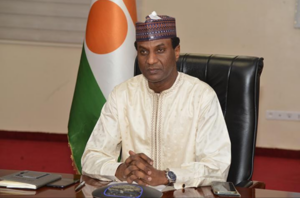
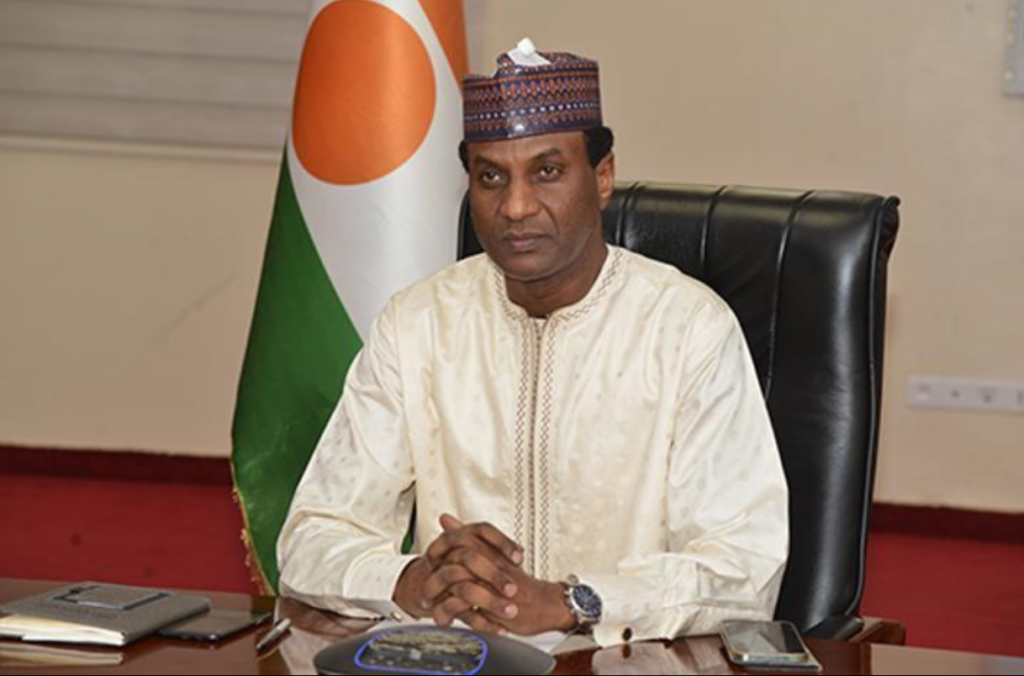
The sudden pivot toward eastern Libya—marked by Nigerian Prime Minister Ali Mahaman Lamine Zeine’s high-profile visit to Benghazi on November 1st and the signing of a landmark cooperation protocol—has sent ripples across the Sahel. Rather than a routine diplomatic gesture, this alignment signals deeper military and strategic calculations unfolding between Niamey and the Haftar-led administration in eastern Libya.
The timing is no coincidence. It comes just days after Algeria’s parliament authorized the deployment of its National People’s Army (ANP) forces into Niger, a historic shift that has upended long-standing regional norms. With Algeria now positioned along the triple borderland shared with Niger and Libya, the Haftar-Niger rapprochement is taking on new urgency—both as a counterbalance and a geopolitical chess move.
Algeria’s military advance: securing energy corridors or asserting dominance?
On October 25th, Algeria’s legislature approved the deployment of ANP units into Niger, citing protection of its vast economic interests—particularly oil ventures and the stalled Trans-Saharan Gas Pipeline project. But the move is far from purely commercial. At its core, it reflects Algiers’ growing unease over the erosion of its influence in the Sahara-Sahel continuum.
A potential anchor point for these forces is the Madama military base in northeastern Niger, strategically located near the Libyan border. From there, Algerian forces could monitor cross-border militant movements and secure critical supply lines. Yet this presence raises a critical question: can Algeria maintain oversight of a region where Haftar’s forces are steadily consolidating control?
The triple frontier: a powder keg of shifting alliances
The tri-border zone where Niger, Libya, and Algeria converge is one of the most volatile regions in the Sahel. It serves as a transit hub for people, goods, and armed factions—while simultaneously becoming a flashpoint for military and political competition.
As Haftar’s southern Libyan affiliates expand their reach, Algerian authorities face mounting concerns. There are growing fears in Algiers that enhanced influence by the Haftar camp could disrupt Algeria’s ability to control key desert corridors linking the Maghreb to the Sahel. The presence of armed groups hostile to Niamey operating from southern Libya has further complicated the equation, even as the exact nature of their support remains shrouded in ambiguity.
In this tense environment, the Niger-Benghazi cooperation protocol emerges as more than symbolic. It offers Niamey a pathway to diversify its security partnerships and strengthen its position amid internal fragility. For eastern Libya, it provides a strategic foothold to expand political and military influence southward.
Algiers vs Benghazi: the unfolding proxy of influence in the Sahara
Relations between Algeria and the Haftar faction have long been defined by mutual distrust. While Algiers has traditionally backed the Tripoli-based Government of National Unity (GNU), Benghazi has pursued independent regional alliances—now including a tightening bond with Niger.
Saddam Haftar’s growing presence in southern Libya, coupled with the Niger cooperation deal, may be interpreted in Algiers as an attempt to dilute Algerian strategic influence in the Sahel. The Benghazi protocol—though its contents remain undisclosed—hints at possible future military, security, and economic collaboration. Yet whether it signals an anti-Algerian axis remains speculative for now.
Niger caught in the crossfire of regional power games
For Niamey, the stakes are survival. In a country beset by terrorism, internal instability, and shifting regional loyalties, maintaining strategic flexibility is paramount. By engaging both Algiers and Benghazi, Niger aims to avoid over-reliance on a single ally—yet risks becoming a battleground for competing visions of regional order.
This delicate balancing act reflects a broader truth: in today’s Sahel, strategic cooperation can quickly turn into a tool of rivalry. The Benghazi summit was not merely a diplomatic event—it was an early signal of a deeper transformation in the Sahara’s geopolitical landscape. As Algeria deploys troops and Haftar extends influence, the triple frontier is no longer just a border. It is becoming a theater of indirect confrontation—and Niger sits at its very heart.