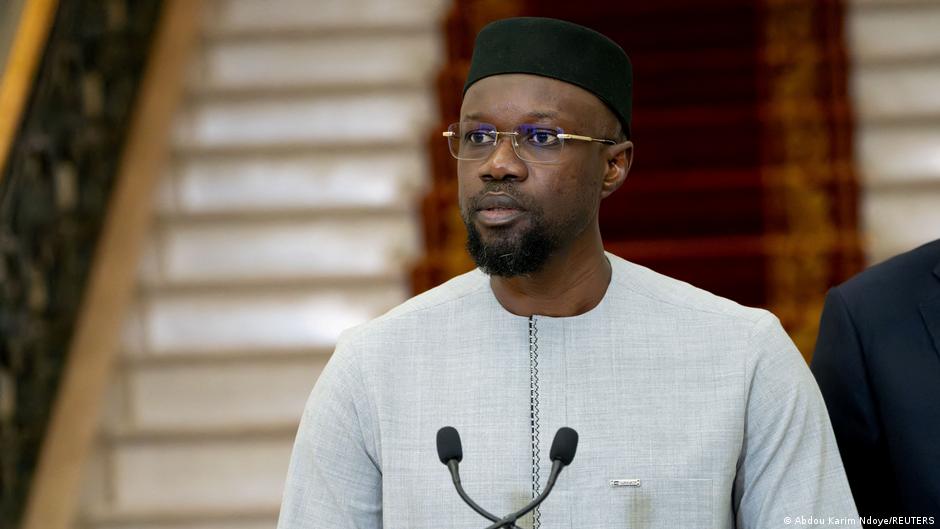
The Senegal Constitutional Council has dealt a fresh blow to Ousmane Sonko’s ambitions by striking down the Pastef-backed institutional reforms. The decision, handed down on Thursday, renders void the legislative changes pushed through by the ruling party majority in the National Assembly.
At the heart of the dispute lies a reform package designed to redistribute institutional powers—an initiative Sonko’s allies framed as essential for rebalancing governance. However, the Council’s ruling exposes critical flaws in the legislative process that ultimately undermined the proposal’s legitimacy.
why the reforms were rejected
President Bassirou Diomaye Faye personally triggered the constitutional review, leading to the identification of two glaring irregularities. First, the reform lacked a concrete funding mechanism for the proposed Constitutional Court—a direct violation of fiscal responsibility under the Constitution. Second, lawmakers bypassed established parliamentary procedures when processing government amendments, particularly by refusing to apply the block vote mechanism despite executive requests.
The Council’s ruling underscores a broader principle: institutional reforms must adhere strictly to constitutional mandates, even when pursued by a majority. As the Council’s decision makes clear, the absence of compensatory revenue streams for new public obligations—such as organizing elections or establishing the new court—further invalidates the reform’s financial feasibility.
political fallout and reactions
Ousmane Sonko acknowledged the decision in a public statement, framing it as a setback for his vision of governance. Meanwhile, the presidential coalition defended the Constitutional Council’s role as a safeguard of democratic norms, emphasizing the need for continued dialogue on reform initiatives.
Civil society voices, including Dr. Binette Ndiaye of the Citizen Forum, welcomed the ruling as a necessary corrective. In her view, the reform process lacked inclusivity and risked consolidating power within a single political faction. “This decision reminds us that even with a parliamentary majority, constitutional principles must remain non-negotiable. A Republic demands consensus, not unilateral impositions,” she asserted.
what happens next?
While the ruling effectively halts the immediate implementation of the reforms, political observers note that the path forward remains open—provided future proposals comply fully with constitutional procedures. Adji Diarra Mergane Kanouté, former deputy and leader of the USD/A party, cautioned that the decision does not foreclose the possibility of revised reforms. “The Council has only rejected this specific text. The Assembly retains the power to initiate new revisions, but they must align with constitutional requirements—particularly around funding and procedural integrity.”
a widening rift in Senegal’s leadership
The constitutional setback occurs against a backdrop of escalating tensions between Sonko and President Faye. Sonko’s removal from the Prime Minister’s office in May was followed by his election as Assembly President—a move that has done little to ease the growing divide between the two leaders. In recent remarks, Sonko openly described the current dynamic as a “cohabitation”, a term laden with implications for governance stability in Senegal.
Political analysts suggest that the Council’s decision may intensify these tensions, potentially reshaping the power dynamics at the heart of Senegal’s government. The outcome could redefine the trajectory of Sonko’s political influence and the broader reform agenda in the months ahead.