Why Mali’s leadership at the summit could reshape Sahel-Russia ties
The third Russia-Africa summit, held in Moscow on October 28-29, 2026, has thrust the Mali into an unexpected spotlight. While global leaders gather to discuss economic and security cooperation, Assimi Goïta stands as the sole head of state from the Alliance of Sahel States (AES) in attendance. His counterparts in Niger and Burkina Faso are either represented by lower-ranking officials or remain unconfirmed—raising critical questions about the Sahel bloc’s unity and its long-term strategy in dealing with Moscow.
The Kremlin had initially announced the participation of all three AES leaders, but only Mali’s president has arrived as scheduled. The contrasting levels of representation—Goïta’s personal presence versus delegations led by Prime Ministers—signal a divergence in diplomatic priorities that could have lasting consequences for regional stability and economic partnerships.
Mali’s unchallenged presence at the summit
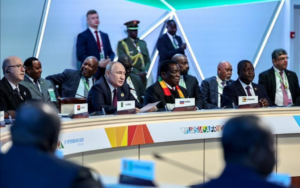
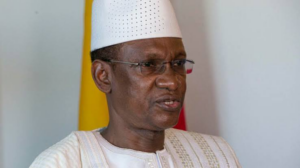
Assimi Goïta touched down in Moscow on October 26, leading a high-profile delegation. His arrival was promptly documented, with state media highlighting his meetings with Vladimir Putin and photo opportunities that underscore Mali’s diplomatic leverage. Unlike its neighbors, Bamako has not only secured its seat at the table but is positioning itself as the keystone of Sahel-Russia relations—at least for now.
Goïta’s participation is more than symbolic: it signals Mali’s intent to deepen ties with Russia, particularly in defense and energy sectors. The summit’s timing coincides with ongoing security challenges in the Sahel, and Bamako appears eager to leverage Moscow’s support—whether through arms deals, nuclear cooperation, or infrastructure investments.
Burkina Faso and Niger: partial representation, unclear intentions
While Burkina Faso has sent its Prime Minister, Rimtalba Jean Emmanuel Ouédraogo, the absence of Ibrahim Traoré himself raises eyebrows. The Burkinabè leader’s non-attendance follows earlier reports suggesting his participation. This inconsistency—between announced plans and on-the-ground reality—has fueled speculation about internal political calculations or logistical hurdles.
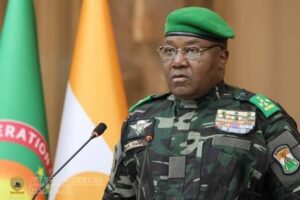
As for Niger, the situation is even more ambiguous. Russian officials had confirmed Abdourahamane Tiani’s attendance, but by the summit’s opening day, no official confirmation of his arrival had emerged. Without a firm statement from Niamey or Moscow, observers are left to wonder: Is Tiani’s absence a deliberate strategic move, a last-minute cancellation, or simply a communication gap?
What does this mean for the Sahel’s future?
The AES was formed to strengthen collective security and economic resilience in the face of regional instability. Yet the summit has exposed fractures in cohesion. While Mali presses forward with bilateral agreements, its neighbors appear hesitant to match its commitment—at least publicly. This disparity could weaken the alliance’s bargaining power in Moscow, particularly when negotiating terms of cooperation with Russia.
Beyond the optics of leadership, the summit’s real impact will hinge on tangible outcomes: new trade deals, security pacts, and infrastructure projects. For the Sahel states, the cost of absence—whether in lost opportunities or diminished influence—could be steep in the coming years.
Global participation, regional ripple effects
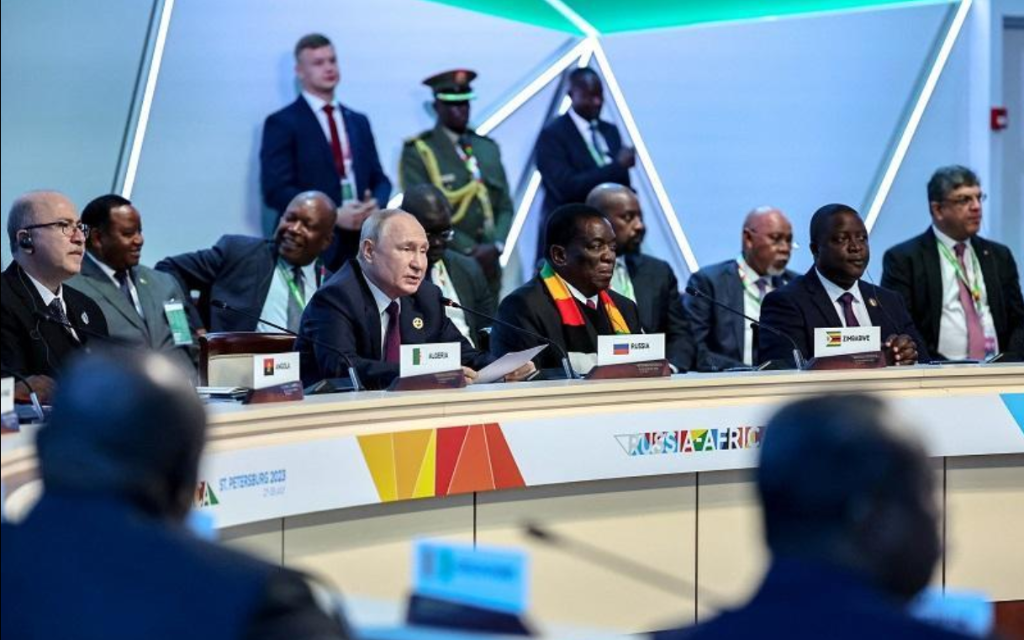
The summit is not solely a Sahel-Russia affair. 48 African nations have confirmed participation, with 22 represented by their heads of state. Leaders from Burundi, Zimbabwe, Ghana, Mozambique, South Sudan, Eritrea, Equatorial Guinea, and Republic of the Congo are among those present. Even countries like Algeria, Benin, Uganda, Rwanda, and South Africa have opted for high-level delegations rather than presidential attendance.
This patchwork of participation reflects a broader trend: not all African leaders prioritize summit diplomacy equally. Some may be testing new alliances; others could be hedging bets amid shifting geopolitical winds. For the Sahel, however, the stakes are uniquely high. With Russia expanding its footprint in Africa—especially in energy, mining, and military training—the AES’s ability to present a unified front could determine whether its member states secure favorable terms or are left on the sidelines.
From Moscow to the Sahel: the road ahead
The Russia-Africa summit is more than a diplomatic gathering—it’s a litmus test for the AES’s cohesion and vision. Mali’s bold stance in Moscow contrasts sharply with the cautious or uncertain approaches of its partners. As the dust settles, the question remains: Will the alliance hold, or will the absence of two key leaders signal a turning point in Sahel-Russia relations?
The answers may lie not in the summit’s photo ops but in the fine print of the agreements signed in the coming days. For businesses and citizens across the Sahel, the consequences of these decisions will unfold over years—not just in Moscow, but in the markets, security corridors, and energy grids of West Africa.