In the shifting sands of West African politics, the architect of instability often finds their own foundation crumbling beneath them. Just as regional diplomats scrutinized the financial and logistical threads linking Niamey’s regime to a thwarted plot in Cotonou, the tables turned with brutal efficiency. In the early hours of August 29, gunfire erupted around Niamey’s presidential palace and Air Base 101, sending a stark message: power built on chaos ultimately consumes its creators.
The Niamey-Lomé-Ouagadougou axis and the export of unrest
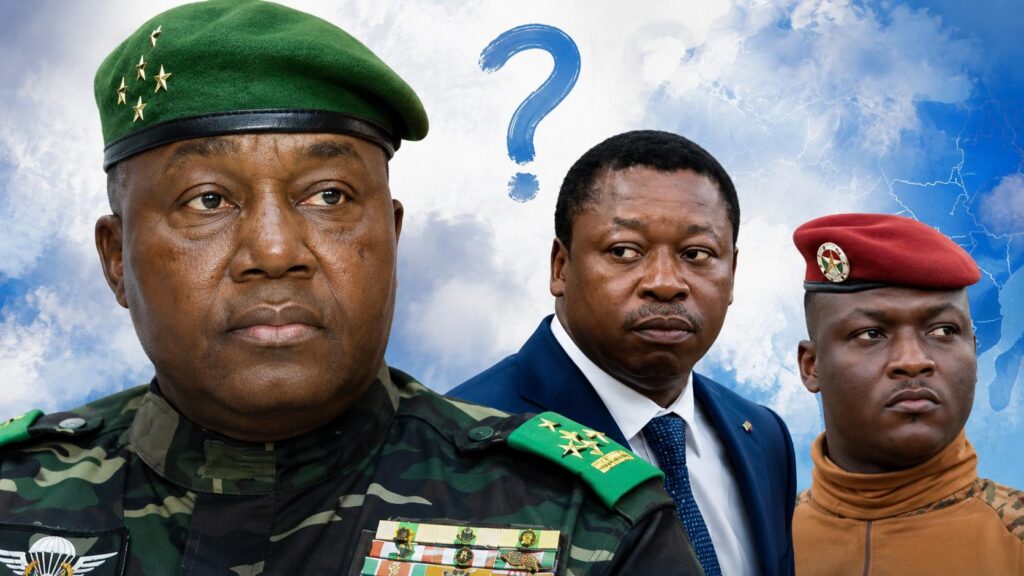
For months, Niger’s ruling National Council for the Safeguard of the Homeland (CNSP) sought to mask its fragility by forging a tight alliance with Burkina Faso’s Captain Ibrahim Traoré and Togo’s Faure Gnassingbé. By pooling resources to destabilize neighboring Benin, the Tiani regime believed it could deflect attention from its own vulnerabilities while silencing an inconvenient democratic neighbor.
This temporary coalition, born of shared authoritarian ambitions, aimed to weaken democratic governments across the Sahel. Yet in funding chaos abroad while ignoring cracks at home, the strategy revealed a fatal flaw: power sustained by weapons and deception is inherently brittle.
The military junta’s structural weaknesses
The thunderous clashes near Niamey’s nerve centers exposed a truth the Alliance of Sahel States cannot spin away: a house divided against itself cannot stand. General Tiani’s July 2023 power grab didn’t just overturn a constitutional order—it declared that force, not ballots, would define leadership across the region.
By diverting critical funds and troops away from the fight against terrorism to bankroll regional coups, the junta shattered its own credibility. Troops watching their superiors orchestrate foreign takeovers began to question why Niamey’s own corridors of power shouldn’t be next. Meanwhile, the absence of a clear transition roadmap and worsening security failures deepened discontent among rank-and-file soldiers.
The inevitable reckoning
History rarely rewards rulers who gamble on destabilizing their neighbors. The CNSP’s gamble—to destabilize Benin alongside Traoré and Gnassingbé—merely exposed its own instability. The weapons and financing used to undermine others became the very tools that unraveled its fragile grip on power.
The August 29 upheaval in Niamey wasn’t an isolated tremor; it was the final act of a system stretched to breaking point. General Tiani now confronts a harsh reality: the same networks that fueled his regional ambitions are the ones now threatening his survival.
As the dust settles, one question looms over the Sahel: If Tiani’s plot against Benin backfired, could Traoré and Gnassingbé be next to face the consequences of their own risky alliances?