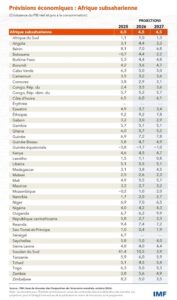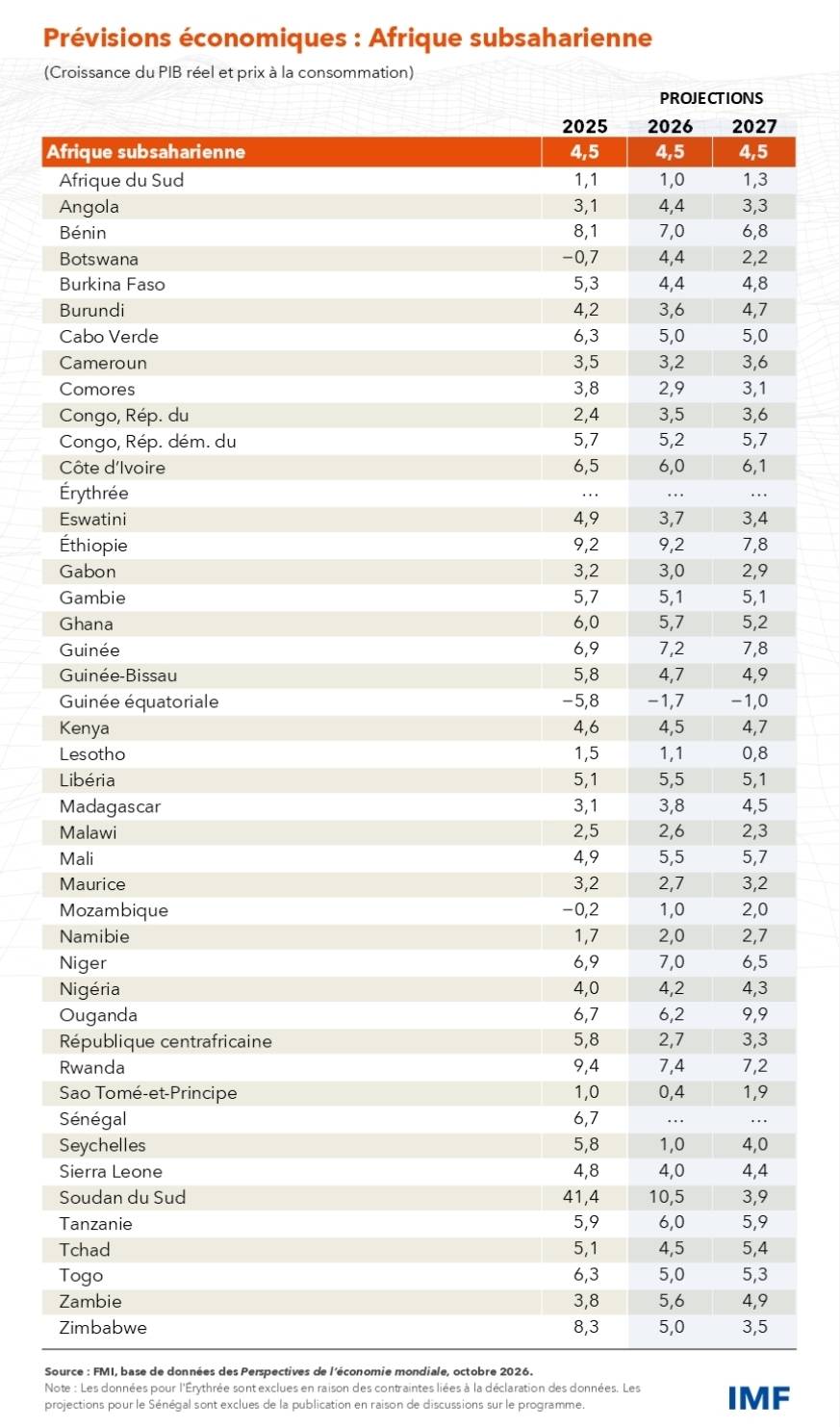
The West African nation of Benin is setting a new benchmark for regional economic resilience, with projected GDP growth of 7% in 2026 and 6.8% in 2027 rates that far outpace the 4.5% average forecasted across Sub-Saharan Africa. This remarkable trajectory underscores the country’s emergence as a key driver of change, with consequences reverberating from bustling markets in Cotonou to the corridors of global investment firms.
Beyond the numbers: how Benin’s growth translates into real-world impact
While international organizations like the IMF spotlight Benin’s statistical achievements, the story extends beyond spreadsheets. For local entrepreneurs, the surge in economic activity is translating into expanded business opportunities, with sectors such as agriculture, light manufacturing, and digital services witnessing rapid expansion. Meanwhile, urban centers like Porto-Novo and Parakou are experiencing a construction boom, as infrastructure projects funded by increased revenues create jobs and stimulate demand for raw materials.
For families, the economic upturn is offering a lifeline in a region often plagued by instability. Household incomes are rising, albeit unevenly, with rural communities benefiting from targeted agricultural reforms and urban dwellers gaining access to new financial services. The government’s push to digitize payments has also reduced corruption in social welfare programs, ensuring more resources reach those in need.
Economic resilience in an uncertain world
Benin’s ability to sustain growth amid global uncertainties from fluctuating commodity prices to geopolitical tensions stems from a combination of strategic policy choices and structural reforms. Unlike many of its neighbors, the country has prioritized economic diversification, reducing reliance on traditional exports such as cotton and palm oil. This has shielded it from external shocks while fostering resilience in sectors like renewable energy and technology startups.
The government’s commitment to fiscal discipline has also played a pivotal role. By streamlining public spending and improving tax collection efficiency, Benin has avoided the debt traps that have ensnared other African economies. This fiscal prudence has earned the country favorable credit ratings, making it more attractive to international investors seeking stable returns.
Lessons for the region: what other West African nations can learn
Benin’s success is not an isolated phenomenon but a case study in how targeted economic policies can yield tangible results. While no model can be replicated wholesale, several key strategies stand out:
Prioritizing infrastructure development: Benin’s investments in roads, ports, and digital connectivity have lowered trade barriers and attracted foreign capital.
Empowering the private sector: Small and medium-sized enterprises (SMEs) now account for a larger share of GDP, thanks to simplified business regulations and access to microfinance.
Investing in human capital: Vocational training programs aligned with market needs have reduced youth unemployment, a chronic challenge across the region.
Strengthening regional trade ties: By deepening economic integration with neighbors like Togo and Nigeria, Benin has created new markets for its goods and services.
These measures, while context-specific, demonstrate that economic growth need not be a zero-sum game. Countries like Senegal and Côte d’Ivoire are taking note, exploring similar reforms to boost their own competitiveness.
Challenges ahead: from growth to shared prosperity
Despite its impressive performance, Benin faces critical challenges that could undermine its long-term success. Income inequality remains a stubborn issue, with wealth concentrated in urban areas while rural populations lag behind. The informal sector, which employs the majority of workers, still lacks formal protections, leaving many vulnerable to economic downturns.
Another pressing concern is the sustainability of debt levels. While current projections remain manageable, any slowdown in growth could strain public finances. Additionally, climate change poses a growing threat to agriculture, a sector that employs nearly 40% of the workforce. Extreme weather events, such as floods and droughts, could disrupt production and push food prices higher, eroding the gains made in recent years.
The government’s ability to address these issues will determine whether Benin’s growth evolves into inclusive prosperity. Policymakers are increasingly focusing on social safety nets, climate-resilient agriculture, and equitable urban development to bridge the gap between macroeconomic success and household well-being.
What the future holds: a regional economic role model?
With its current trajectory, Benin is poised to play an even larger role in West Africa’s economic landscape. The country’s strategic location, coupled with its improving business climate, positions it as a gateway for trade between coastal and landlocked nations. Investors are taking notice, with sectors like logistics, renewable energy, and fintech attracting significant foreign direct investment.
Yet, the true measure of success will not lie in GDP figures alone. For Benin to solidify its status as a regional leader, it must translate economic gains into measurable improvements in quality of life. This means ensuring that growth is inclusive, sustainable, and resilient to future shocks. If it succeeds, Benin could redefine what it means to thrive in Africa proving that progress is possible even in a turbulent world.
By Georges Essomba — Journalist