The refusal of a top presidential advisor to appear before Senegal’s land management inquiry has set off alarms across businesses and markets, raising fears that the political standoff could derail economic stability and investor confidence in the coming months.
Political tensions escalate as presidential adviser skips parliamentary summons
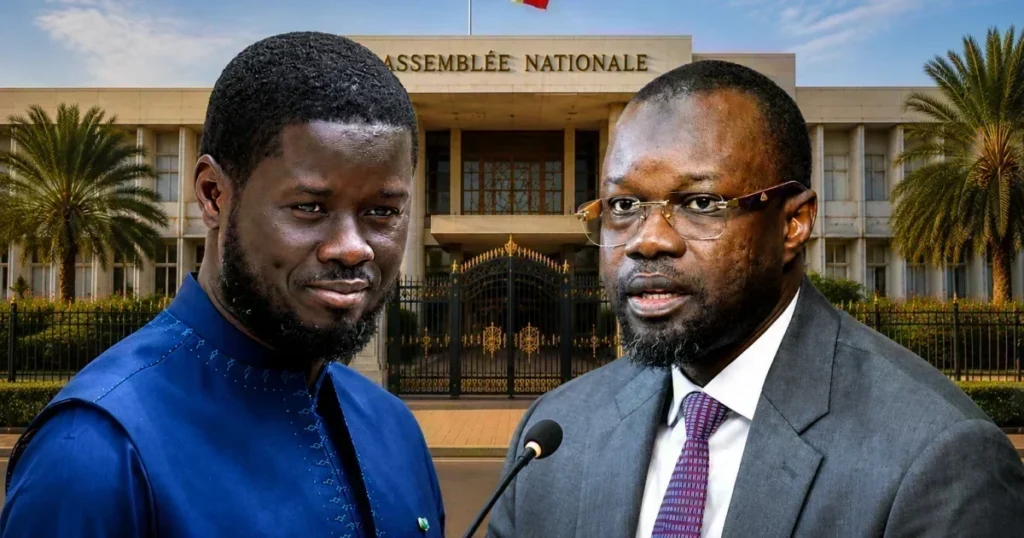
Demba Dieng, former director of the National Land Registry and a presidential advisor, has declined to appear before the parliamentary commission investigating land governance, according to a statement released by the committee on October 15. Her absence follows a growing pattern of non-compliance from senior officials close to President Bassirou Diomaye Faye, fueling concerns about executive overreach and its potential fallout on the country’s institutions.
The situation is further complicated by the assertion from former Higher Education Minister Daouda Ngom, who claims that six active and former ministers have also refused to respond to their own summons. While Ngom’s statement lacks official confirmation, it underscores a broader pattern of resistance that could undermine the credibility of the legislative probe and deepen public skepticism toward government transparency.
Silence from the presidency leaves questions unanswered
The Senegalese presidency has remained silent regarding whether presidential advisors require prior authorization to appear before parliamentary bodies. This ambiguity has led to widespread speculation: is Dieng’s refusal a personal decision or the result of an unspoken directive from the executive branch? If such directives exist, they could extend to other members of the president’s inner circle—including ministers—potentially exposing additional officials to similar scrutiny and increasing the risk of institutional collision.
Uncertainty grips businesses and investors
Economists and business leaders in Dakar warn that prolonged political gridlock could deter foreign investment, slow critical infrastructure projects, and destabilize investor confidence. Land governance has long been a sensitive issue in Senegal, with disputes over titles and usage often leading to delays in foreign direct investment (FDI) and project financing. The current parliamentary investigation, initially intended to clarify land management practices, now risks becoming mired in political conflict—jeopardizing both transparency and economic progress.
While the parliamentary commission has vowed to continue its work “in accordance with its mandate,” the lack of clarity around the motives behind these refusals and the absence of official explanations from the presidency have left observers questioning the long-term implications for Senegal’s political and economic landscape.
Next steps hinge on institutional resolve
As the crisis unfolds, all eyes are on the National Assembly. Will lawmakers escalate their response—potentially through formal censure or legal measures—or will the pattern of defiance persist? The coming days will reveal whether this standoff expands into a full-blown constitutional confrontation or finds resolution through dialogue and institutional compromise.