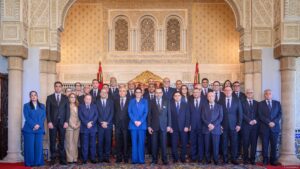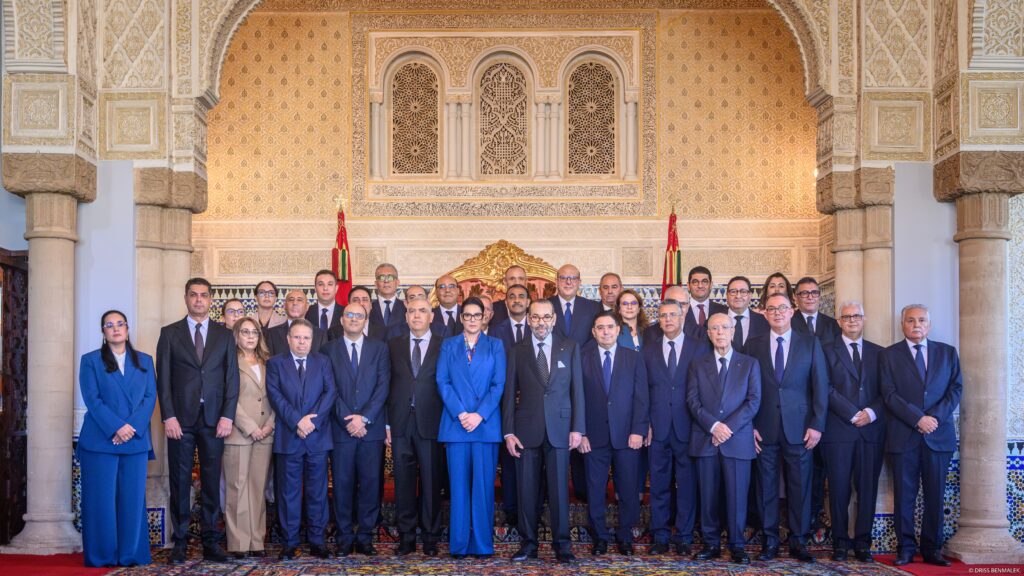
The appointment of Morocco’s new government cabinet has sent ripples through the nation’s economic and social fabric, with citizens and enterprises already gauging the potential fallout. As the reshuffled executive takes office under King Mohammed VI’s mandate, the stakes couldn’t be higher for a country navigating complex regional challenges and internal reform pressures.
What the new cabinet lineup means for Moroccan households
The composition of the new government signals shifts in policy priorities that directly impact everyday lives. Key ministries have been restructured to address pressing social and economic issues, with new faces at the helm promising reforms in housing, education, and social protection. Families across the country are closely watching how these changes will translate into improved public services and living conditions in the coming months.
Urban and rural households alike are speculating on potential benefits such as:
- Enhanced social housing programs to alleviate pressure in densely populated cities like Casablanca and Rabat
- Targeted subsidies for essential goods, particularly in low-income communities
- Expansion of public transport networks to reduce commuting costs and environmental impact
- Improved access to healthcare through new regional medical centers
Businesses gear up for regulatory and fiscal changes
The business community is in a state of cautious anticipation as the new cabinet prepares to unveil its economic agenda. Sectors ranging from tourism to manufacturing are poised for both opportunities and challenges under the reshuffled leadership. Analysts predict that the government will focus on:
- Streamlining bureaucratic processes to attract foreign direct investment (FDI), particularly in renewable energy and digital sectors
- Adjusting tax incentives to support small and medium-sized enterprises (SMEs) in high-unemployment regions
- Revitalizing key industries such as automotive and aerospace through public-private partnerships
- Enhancing trade agreements to bolster Morocco’s position as a gateway between Africa and Europe
Regional stability and Morocco’s new economic roadmap
The timing of this cabinet reshuffle coincides with heightened geopolitical tensions, placing additional pressure on the government to secure economic stability. With neighboring countries experiencing political instability and trade disruptions, Morocco must balance domestic priorities with regional diplomacy. The new cabinet’s ability to:
- Diversify trade routes to mitigate risks from disrupted corridors
- Strengthen alliances with stable partners in West Africa and the EU
- Accelerate infrastructure projects to serve as a regional logistics hub
will be critical in determining the country’s economic trajectory in 2027 and beyond.
Public sentiment: hope mixed with skepticism
While the government presents the reshuffle as a bold step toward modernization, public reaction remains divided. Supporters point to the inclusion of younger technocrats as a sign of progress, while critics question the feasibility of sweeping reforms amid limited resources. Social media platforms are abuzz with debates on:
- Whether the new cabinet can deliver on promises without exacerbating the national debt
- How quickly policy changes will be implemented given Morocco’s bureaucratic traditions
- Which sectors will benefit most from the government’s investment plans
Next steps: monitoring the economic pulse
The coming weeks will be pivotal as the new cabinet finalizes its strategic plans and begins the rollout of key initiatives. Businesses will need to stay agile, adapting to potential regulatory shifts, while citizens will closely watch for tangible improvements in their daily lives. The success or failure of this reshuffle could set the tone for Morocco’s economic and social landscape for years to come.