Fuel price freeze: a desperate gamble with dangerous consequences
The Nigerien military junta’s abrupt decision to freeze fuel prices at the pump wasn’t just a populist move—it was a stark admission of its crumbling authority. Far from alleviating citizen suffering, this policy has deepened economic chaos, exposed internal fractures, and accelerated the regime’s slide toward irrelevance. The Council of Ministers’ last-minute U-turn on fuel tariffs reveals a government scrambling to survive rather than govern.
From bold promise to humiliating retreat: the junta’s first major policy failure
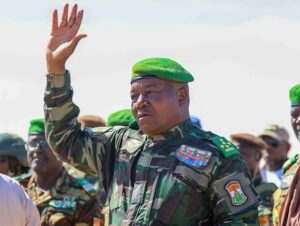
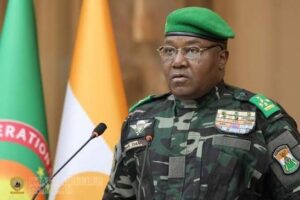
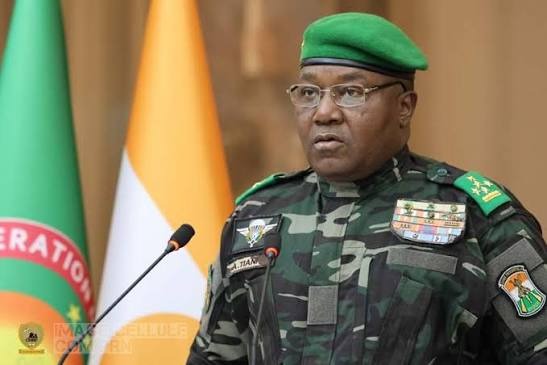
The reversal wasn’t just economic—it was political. After the Supreme Council for the Restoration of the Republic (CNSP) initially floated a “reasonable” price adjustment to ease public finances, General Abdourahamane Tiani abruptly reversed course. This public disavowal of his own ministers and advisors underscores the deep divisions within the junta’s inner circle. Once united under the banner of restoring order, the regime now appears paralyzed by infighting and paralyzed by fear of mass unrest.
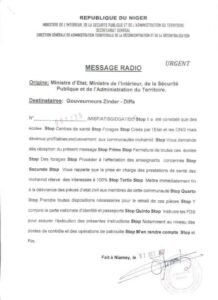
The announcement delivered after the Council of Ministers meeting sent shockwaves through Niger’s fragile institutions. The Ministry of Petroleum and the Re-foundation Advisory Council had warned of fiscal collapse if prices weren’t adjusted. Yet Tiani’s decision to ignore their recommendations marks the junta’s first major retreat since seizing power in July 2023—a retreat disguised as social compassion but exposed as political cowardice.
Economic mismanagement fuels deeper crises
This ill-conceived freeze isn’t just a temporary fix—it’s a ticking time bomb. By preventing official price increases while supply dwindles, the junta has effectively created an artificial fuel shortage. The results are already visible:
- Black market boom: With pumps running dry, motorists are turning to informal sellers, driving black-market prices to record highs and eroding whatever purchasing power the freeze was meant to protect.
- Institutional rot: The promised audit of the oil sector has vanished from public discourse. Meanwhile, revolving-door leadership at the Ministry of Petroleum and state-owned oil company SONIDEP signals not reform, but a desperate attempt to consolidate power through patronage.
- Subsidy hemorrhage: Freezing prices locks Niger into unsustainable energy subsidies, draining already depleted treasury funds while offering no long-term solution to the country’s fiscal black hole.
Social unrest and security threats loom larger
The junta’s gamble is failing on every front. With agriculture faltering, food prices surging, and security deteriorating in swaths of the country, Niger’s citizens face a trifecta of crises—none of which the fuel freeze addresses:
- Rural communities already reeling from jihadist violence now confront fuel shortages that cripple transport, trade, and emergency services.
- Urban populations, squeezed by inflation and unemployment, see the regime’s move as a hollow gesture—one that masks deeper incompetence.
- International partners, once cautiously optimistic about the junta’s leadership, are growing wary of its erratic policymaking and refusal to confront structural reforms.
What comes next: collapse or capitulation?
The freeze was never about protecting citizens—it was about buying time. But in doing so, the junta has revealed its fatal flaw: it governs through reaction, not vision. Every concession today is a symptom of tomorrow’s collapse. From economic mismanagement to regional instability, Niger’s trajectory now hinges on whether the regime can reverse course—or whether the pressure from below will finally shatter its fragile facade.