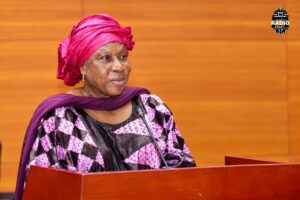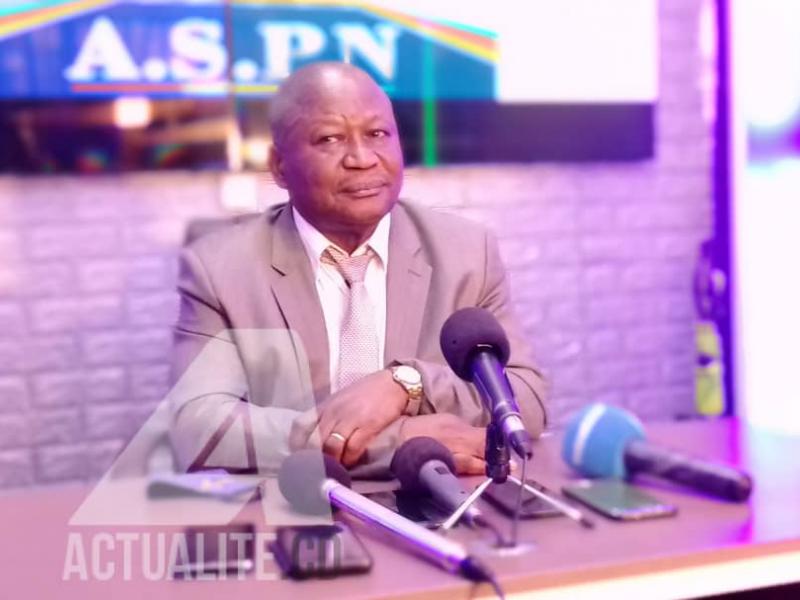
During a live discussion on Tuesday, Paul Nsapu, chair of the National Human Rights Commission (CNDH), offered a sharp analysis of the state of human rights in the Democratic Republic of the Congo under President Félix Tshisekedi’s administration. While acknowledging some legislative progress, he highlighted a stark divide between what he calls structural violations in Kinshasa and the severe, systemic abuses gripping the eastern provinces.
Structural violations in Kinshasa: a legacy of neglect
In the capital and surrounding areas, Nsapu identified entrenched violations of civil, political, economic, and social rights—including access to work, healthcare, and education. These systemic failures, he argued, stem from decades of mismanagement, chronic underdevelopment, and the government’s inability to improve living conditions for ordinary citizens. “The situation in Kinshasa reflects a pattern of neglect that has persisted through successive regimes,” he stated.
The eastern crisis: where fundamental rights are under siege
Nsapu reserved his gravest concerns for the eastern provinces of North Kivu, South Kivu, and parts of Ituri, where he described a human rights catastrophe. Here, violations of the most basic rights—life, security, and individual freedom—are not just common but endemic, fueled by the presence of foreign armed groups and the collapse of state authority. Nsapu singled out the Rwandan army’s involvement and its allied militias as key drivers of instability, exacerbating an already dire humanitarian crisis.
The contrast between Kinshasa’s structural issues and the eastern provinces’ outright violations underscores the dual realities shaping human rights in the DRC. While legislative reforms may signal progress, the lived experience of millions in the east tells a far more harrowing story—one of persistent violence, displacement, and unchecked impunity.