human rights violations in DRC: two distinct realities between Kinshasa and the east
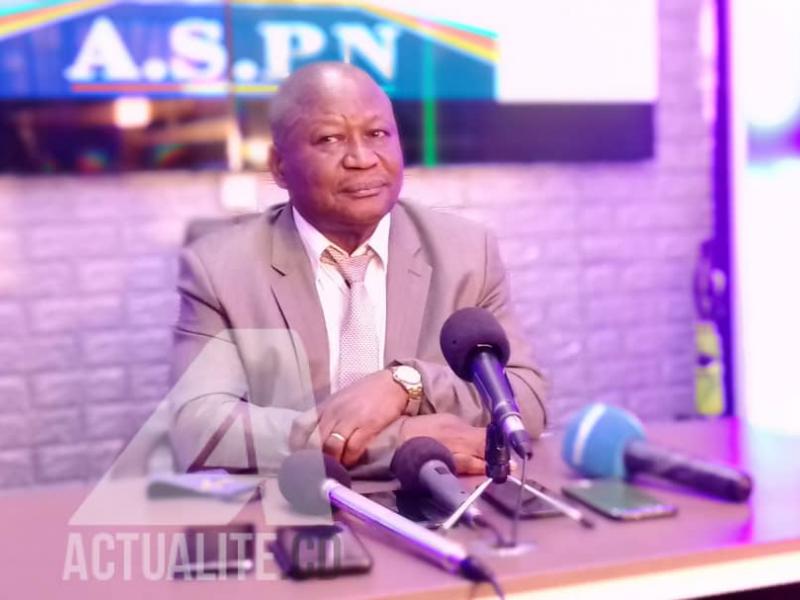
The human rights landscape in the Democratic Republic of Congo (DRC) presents two starkly contrasting realities, as highlighted by Paul Nsapu, president of the National Human Rights Commission (CNDH). During a live interview on Tuesday, Nsapu acknowledged legislative progress but emphasized the deep divide in human rights conditions across the country.
structural violations in Kinshasa
In the provinces under the direct control of Kinshasa, Paul Nsapu identified recurring violations of civil, political, economic, and social rights. These include access to work, healthcare, and education, which he attributes to the cumulative failures of successive governments. Decades of governance marked by underdevelopment and lack of progress in improving living conditions have left these rights persistently undermined, despite formal legal frameworks.
severe violations in the east
The situation takes a dramatic turn in the eastern provinces of the DRC—North Kivu, South Kivu, and parts of Ituri. Here, Paul Nsapu described a far more alarming scenario: the core of human rights—the right to life and security—is routinely violated. He specifically pointed to the presence of the Rwandan army and its allied armed groups operating in areas beyond Kinshasa’s control as major aggravating factors exacerbating the crisis.
key observations
- Kinshasa: systemic failures in governance lead to violations of structural rights, with limited progress despite legislative advances.
- Eastern DRC: active conflict zones see daily violations of fundamental rights, driven by foreign military presence and unchecked armed groups.
Nsapu’s analysis underscores a critical divide: while Kinshasa struggles with structural governance issues, the eastern provinces face immediate and severe threats to human security and dignity.