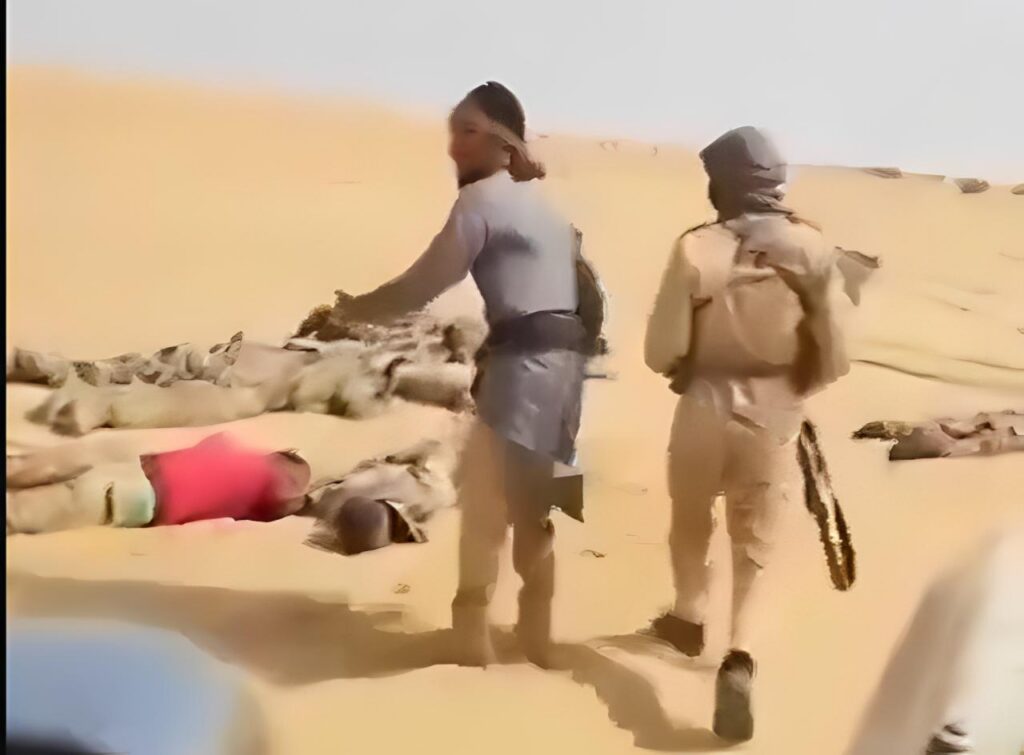
The deadliest attack in northern Mali in fifteen years unfolded on July 18 when Malian armed forces and Russian mercenaries from the Africa Corps fell into a meticulously planned ambush near Tabrichat, a strategic crossroads linking Gao, Bourem, and Kidal. With provisional tolls exceeding 50 fatalities and dozens taken captive, this assault has become a grim milestone in the conflict, igniting nationwide outrage and deepening concerns over military coordination.
The ambush at Tabrichat: a well-orchestrated tragedy
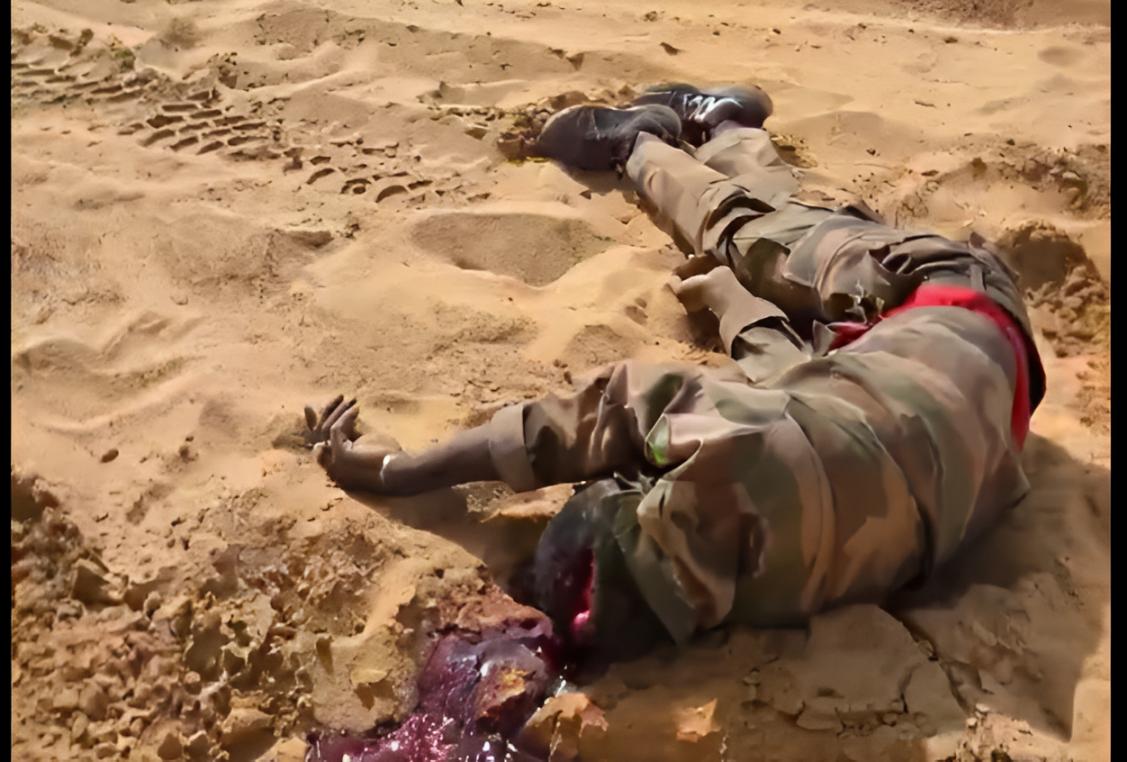
After weeks of intense fighting to secure the Anéfis military camp, Malian and allied forces launched a repositioning operation on July 18. A large convoy of armored vehicles and troop transporters departed Anéfis bound for Gao, Mali’s northern stronghold. The column split into two distinct segments: Russian mercenaries in the vanguard, followed by Malian troops at the rear.
The trap was sprung near Tabrichat, where terrain complexities and the convoy’s stretched formation created ideal conditions for an ambush. Coordinated by the Jama’at Nusrat al-Islam wal Muslimin (JNIM) and the Cadre stratégique pour la défense du peuple de l’Azawad (FLA), attackers unleashed a devastating barrage, targeting the Malian rear section with brutal precision.
A harrowing human toll and documented war crimes
The aftermath revealed a scene of devastation. At least 50 Malian soldiers were killed, while another thirty were reported missing or captured—one of the heaviest losses suffered by Malian forces in over a decade.
Beyond the immediate battlefield losses, the fate of prisoners turned even darker. Unarmed Malian soldiers captured during the ambush were executed at close range by JNIM/FLA fighters, in clear violation of international humanitarian law. The circulation of graphic images and videos documenting these atrocities on social media has intensified public anger, compounded by reports that some footage was initially shared through channels linked to the Africa Corps.
The rise of a new jihadist alliance and its strategic depth
A closer look at the visual evidence confirmed a disturbing reality: Hamza Ag Gali, son of Iyad Ag Gali—the founder of Ansar Dine and leader of JNIM—was present on the battlefield. His involvement underscores not only the direct leadership of the insurgent coalition but also a generational shift in command structures. The alliance between JNIM and FLA factions has demonstrated unmatched tactical mobility, intelligence gathering, and firepower, defying expectations of a weakened insurgency following recent security reorganizations.
Controversy surrounds the Africa Corps’ response
The actions—or lack thereof—of the Russian mercenaries have become the focal point of intense debate. Leading the convoy, the Africa Corps detachment emerged unscathed during the initial assault. Yet, as the Malian rear section came under heavy fire just kilometers behind, the Russian forces chose to continue toward Gao without turning back to assist their beleaguered allies.
This decision has raised critical questions:
- Coordination breakdown: Why were two segments of the same convoy so poorly synchronized, lacking mutual support protocols?
- Strategic withdrawal: Did the withdrawal reflect a deliberate order to preserve Russian forces, or an operational inability to respond in hostile terrain?
The absence of critical support during a dire moment has cast serious doubt on the reliability of mercenary assistance in Mali’s northern theater.
Public outrage and calls for accountability
From Bamako to the northern cities, outrage has erupted. While the nation mourns the fallen soldiers, anger is sharply directed at the conduct of Russian partners. Citizens are demanding official explanations from military leadership and government officials regarding the convoy’s transit and the Africa Corps’ conduct. This tragedy has exposed the fragility of communication routes in northern Mali and forced a reckoning with the sustainability of current security strategies. As the JNIM/FLA coalition displays renewed resilience and aggression, the Tabrichat ambush may well compel authorities to fundamentally rethink coordination with their battlefield allies.