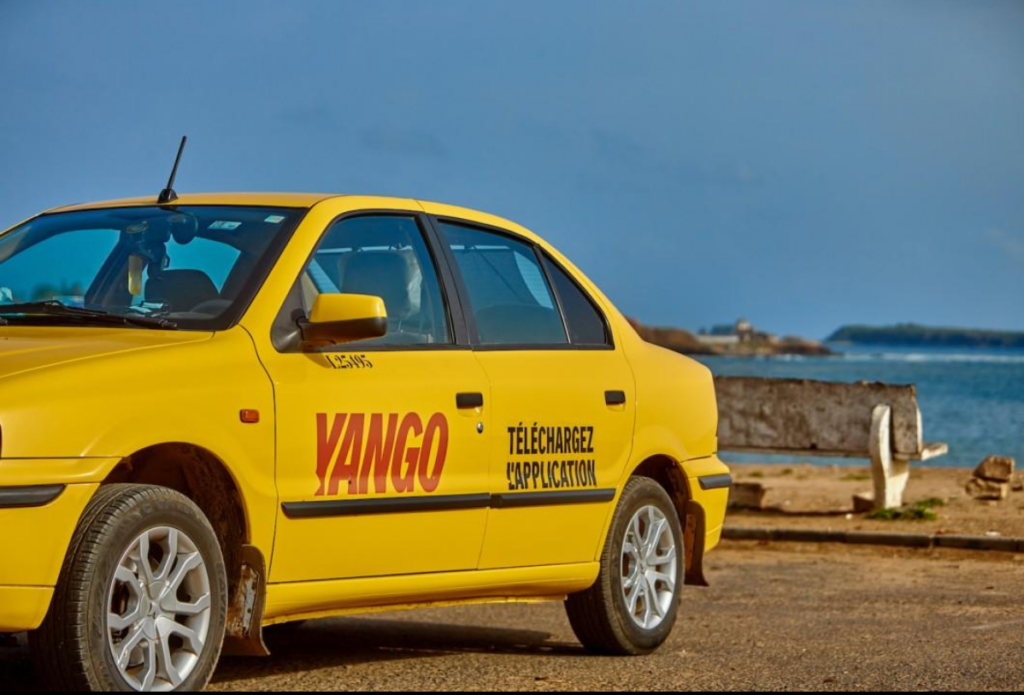
The reputation of ride-hailing platforms in Senegal is under intense scrutiny following explosive allegations of sexual violence tied to a Yango driver. Multiple women have come forward with harrowing accounts of assaults, theft, and intimidation, placing the safety of female passengers—and the credibility of digital transport services—under the microscope.
From booked rides to nightmares: what the victims describe
Complaints center on a single driver operating through the Yango app, with testimonies revealing disturbing patterns across routes between Mbour and Dakar. Women report being diverted from their original destinations, with drivers locking doors and brandishing knives to enforce compliance. In several instances, victims say they were coerced into unlocking mobile money accounts, such as Wave and Orange Money, under duress.
Several women recount being subjected to sexual violence after being taken to isolated locations, their ordeals unfolding under threat of further harm. The uniformity of these accounts has amplified concerns about systemic failures in driver oversight and passenger protection.
Yango’s response raises more questions than answers
After days of silence, Yango issued a statement acknowledging the allegations and pledging cooperation with authorities. The company’s delegation, led by deputy director Aïssata Ouane, emphasized efforts to contact the complainants’ families while asserting that initial system checks failed to locate any matching ride records.
This discrepancy between reported incidents and platform data has fueled skepticism. How could a driver accused of such violence operate undetected? Is the absence of ride receipts evidence of a breach in verification protocols, or does it suggest the driver was never formally registered? The answers remain unclear, but the controversy underscores the urgent need for transparent investigations.
When innovation outpaces safety: the broken trust in ride-hailing apps
For urban women, ride-hailing apps were once seen as a safer alternative to traditional transport—offering trackable routes, driver identification, and emergency sharing. Now, those safeguards feel hollow in light of these allegations.
Key concerns emerging from the scandal:
- Verification gaps: Are background checks thorough enough to exclude individuals with violent histories?
- Real-time monitoring: Do platforms have systems to intervene when a passenger reports suspicious behavior?
- Accountability: Can digital platforms be held liable for crimes committed by registered drivers?
The case forces a reckoning: Can technology-driven convenience coexist with passenger safety, or is reform unavoidable?
Civil society demands stronger protections for ride-hailing passengers
Women’s rights groups, including the activist collective WaxJotNa, have condemned the alleged crimes and demanded sweeping changes to Senegal’s ride-hailing regulations. Their demands include:
- Mandatory criminal background checks for all drivers before platform registration
- Stricter in-ride monitoring with mandatory emergency buttons and location sharing
- Independent audits of driver screening processes and complaint handling
These calls reflect broader frustration with an industry that prioritizes profitability over passenger welfare—a balance the Yango case has now shattered for many users.
Who bears the responsibility when safety fails?
The legal debate hinges on whether platforms like Yango can be considered liable for criminal acts committed by their drivers. Under Senegalese law, liability may depend on factors such as the driver’s employment status (employee vs. independent contractor) and the platform’s role in oversight.
While investigations continue, one truth remains undeniable: the burden of proof lies with the platform. If Yango—or any ride-hailing service—cannot guarantee passenger safety, its business model becomes unsustainable. The scandal has already eroded trust, and rebuilding it will require more than public statements; it will demand tangible reforms.
A turning point for Senegal’s ride-hailing industry?
This controversy arrives at a critical juncture for Senegal’s transport sector. The rise of ride-hailing apps promised efficiency and accessibility, but the Yango case reveals a darker side: unchecked drivers, inadequate safeguards, and victims left without recourse.
For women who rely on these services daily, the question is no longer about convenience—it’s about survival. The time for half-measures is over. Stronger regulations, transparent investigations, and real accountability are the only paths forward to restore faith in a digital transport system that has failed too many.