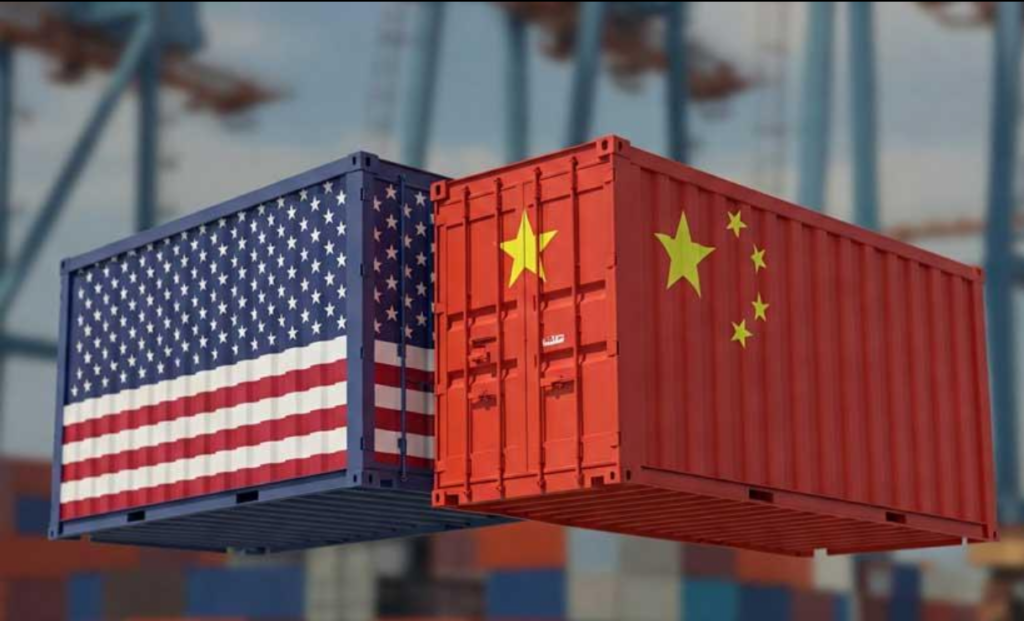
The latest move by Washington signals a dramatic escalation in trade policy, with new US tariffs targeting 14 major trading partners—including China, the European Union, Japan, and India. This sweeping initiative, which could impose rates as high as 20% on Chinese goods, aims to curb what the administration describes as unfair trade practices that threaten American manufacturers and distort global markets.
Why these tariffs could reshape the global economy
At the heart of this policy shift is a determination to protect domestic industries from foreign competition that officials argue has led to job losses and industrial decline. By making imported goods more expensive, the White House hopes to encourage businesses to source materials and products locally, thereby bolstering American production.
The countries and regions facing potential tariff increases range from industrial powerhouses like China, Japan, and South Korea to emerging economies such as Vietnam, Malaysia, and Bangladesh. The move underscores a broader strategy to address trade imbalances perceived as favoring foreign manufacturers over U.S. companies.
Who stands to lose the most?
The immediate impact could be felt most acutely by industries heavily reliant on exports to the United States. Manufacturers in Vietnam, Mexico, and several Southeast Asian nations—whose goods often undercut U.S. prices—could see demand drop sharply, while American consumers might face higher prices on imported electronics, apparel, and machinery.
Meanwhile, agricultural exporters in the European Union and South America could also find their access to the U.S. market restricted, potentially triggering retaliatory measures that would further strain international trade relations. The ripple effects could disrupt supply chains that have become deeply integrated over decades of globalization.
The domino effect on global trade
As nations targeted by these tariffs weigh their responses, the risk of a retaliatory spiral grows. Countries may impose counter-tariffs on U.S. goods—such as agricultural products, automobiles, or technology—to protect their own industries. This tit-for-tat approach, reminiscent of past trade wars, could weaken economic growth, slow innovation, and increase costs for businesses and consumers alike.
Supply chains under pressure
Global supply chains, already tested by recent geopolitical tensions, are particularly vulnerable. Many industries depend on imported components or raw materials from multiple countries. If tariffs drive up costs, companies may struggle to maintain production levels, leading to potential shortages or delays that could ripple across industries from automotive to electronics.
A policy with long-term stakes
The proposed tariffs are currently under review, with public consultations open until January 5, 2027, and hearings scheduled to begin on January 25. If implemented, this policy could mark a turning point in U.S. trade policy, signaling a departure from decades of support for multilateral trade agreements toward a more protectionist stance.
For businesses operating across borders, the stakes could not be higher. The question now is whether this aggressive tariff strategy will achieve its goal of revitalizing American industry—or whether it will trigger a new era of economic fragmentation and trade conflict.