From precarious livelihoods to geopolitical pawns: the troubling journey of Burkina Faso’s expelled gold miners
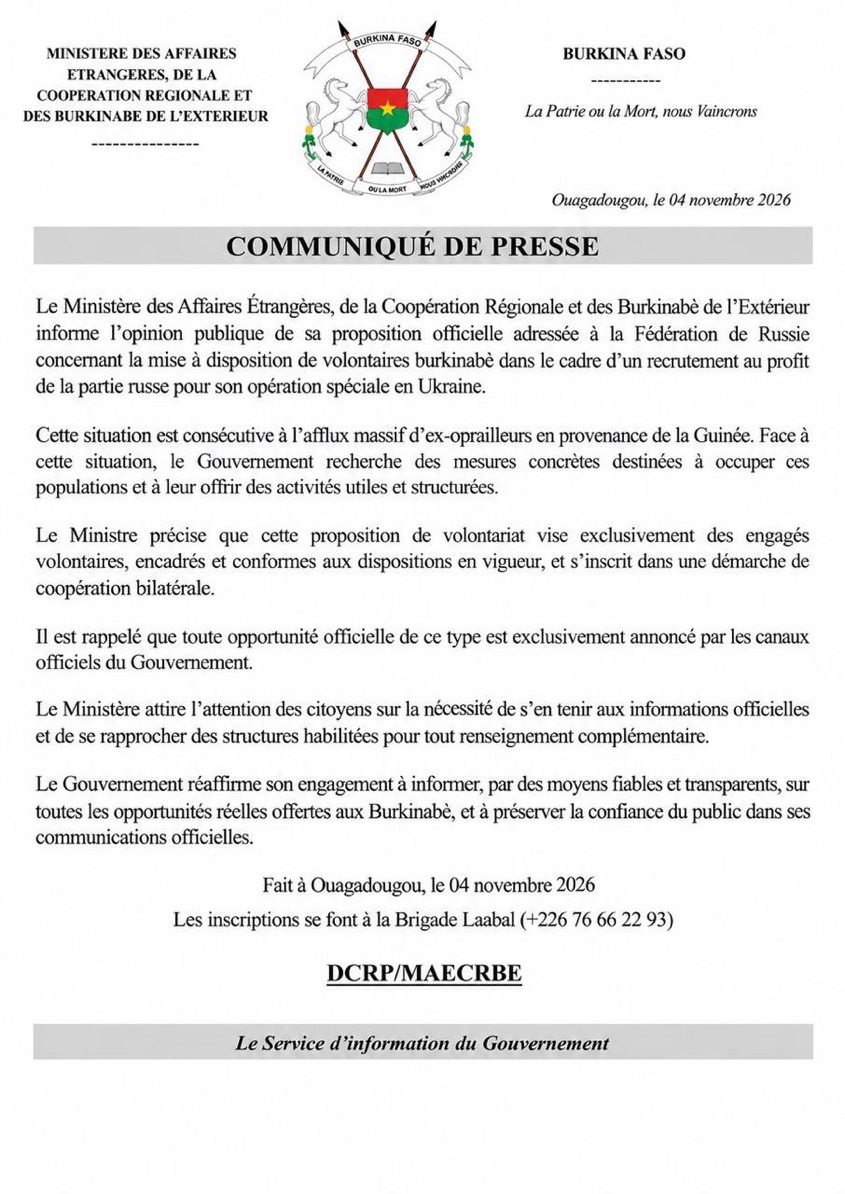
The growing alliance between Burkina Faso and Russia has taken a controversial turn, with reports suggesting that Ouagadougou may have offered Moscow the services of expelled Burkinabè gold miners to fight in Ukraine. This development raises serious questions about the exploitation of vulnerable populations caught in the crossfire of geopolitical maneuvers.
For many of these miners, the expulsion from Guinea shattered their livelihoods, leaving them in a desperate search for stability. Now, their potential recruitment into a foreign war adds a new layer of concern, highlighting the human cost of international partnerships and the risks posed to already marginalized communities.
What lies behind Ouagadougou’s offer to Moscow?
According to emerging reports, Burkina Faso has allegedly proposed sending expelled Burkinabè gold miners many of whom were forcibly returned from Guinea to reinforce Russian forces in Ukraine. This move, if confirmed, would transform a humanitarian crisis into a military recruitment strategy, exposing already vulnerable individuals to the brutal realities of war.
The timing of this initiative is particularly striking. Since a military junta took power in Burkina Faso, the country has pivoted toward closer ties with Moscow, welcoming Russian paramilitary personnel as part of a broader security cooperation agreement. While Ouagadougou frames this partnership as a path to sovereignty, the potential involvement of expelled citizens in a distant conflict raises ethical and legal concerns.
Human exploitation or strategic collaboration? The proposal suggests that Burkina Faso may be leveraging the precarious situation of its expelled miners to fulfill Russian military needs.
A violation of sovereignty? If these individuals are being mobilized without their full consent or understanding of the risks, it could undermine Burkina Faso’s claim to protect its citizens.
What guarantees exist for their safety? The lack of transparency surrounding their recruitment process including terms of service, duration, and risks exposes a troubling gap in accountability.
The human cost: from Guinean expulsions to Ukrainian battlefields
These miners were not merely economic migrants; many had established lives in Guinea’s gold-mining regions, only to be forcibly expelled under unclear circumstances. Their return to Burkina Faso left them without income, housing, or prospects. Now, their potential deployment to Ukraine could subject them to extreme danger, all while being framed as a solution to their personal crises.
Analysts warn that such a scenario risks turning economic desperation into a recruitment tool. Without proper safeguards, these individuals could enter the conflict under coercive conditions, their consent influenced by poverty and lack of alternatives. The ethical implications are severe, particularly when considering the scale of Russia’s ongoing war in Ukraine.
Russia’s war needs and the role of African recruits
Russia, facing significant losses in Ukraine, has increasingly looked abroad for reinforcements. Reports indicate that Moscow has recruited fighters from Africa, Asia, and the Middle East, often targeting individuals in vulnerable economic positions. The potential involvement of Burkinabè miners in this strategy would align with this pattern, raising concerns about the exploitation of impoverished populations.
If Burkina Faso is indeed facilitating this process, it would mark a stark departure from conventional diplomatic or humanitarian efforts. Instead of providing reintegration support to expelled citizens, Ouagadougou may be positioning them as expendable assets in a foreign war a move that could have devastating consequences for both the individuals involved and Burkina Faso’s international reputation.
Sovereignty versus exploitation: the responsibility of Burkina Faso’s government
The junta in Burkina Faso has repeatedly emphasized its commitment to sovereignty, positioning its pivot toward Russia as a rejection of former Western allies. However, true sovereignty extends beyond political declarations; it requires protecting citizens from harm and ensuring their well-being.
If these miners are being mobilized for combat without full transparency or consent, it would constitute a fundamental breach of trust. Questions remain unanswered:
Who initiated the proposal to send these individuals to Ukraine?
Were they informed of the true nature of their potential deployment?
What legal protections or compensation would they receive?
How would their families be supported if they were killed or injured?
Until these questions are addressed, the alliance between Burkina Faso and Russia no matter how strategically advantageous cannot be viewed without scrutiny. The fate of these miners is not just a geopolitical issue; it is a humanitarian crisis in the making.
The bigger picture: geopolitics and the commodification of human lives
This case underscores a disturbing trend in modern conflicts: the use of economically disadvantaged populations as proxies in wars fought far from their homes. Whether through direct recruitment or indirect coercion, such practices raise serious ethical questions about the value placed on human life in pursuit of geopolitical goals.
For Burkina Faso, the decision to potentially send its citizens into harm’s way demands urgent reflection. The nation’s leaders must ask themselves whether their strategic partnerships are worth the human cost or if the true measure of sovereignty lies in protecting those who call Burkina Faso home.
By Rose Njoya — Journalist