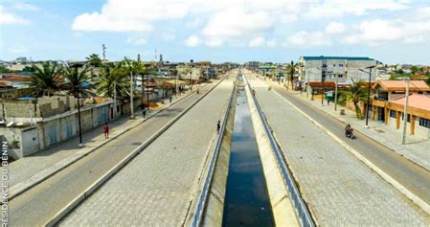
Cotonou has emerged as a regional model of urban cleanliness, securing first place in West Africa and third in Africa in the 2025 clean cities rankings. This distinction is not merely symbolic it carries tangible consequences for residents, businesses, and the broader economy. The achievement underscores how deliberate urban sanitation policies can reshape daily life and attract investment to a bustling economic hub.
From low rankings to continental leadership: the scale of transformation
The latest assessment reflects a dramatic turnaround. In the previous rankings, Cotonou held the sixth position in Africa. A score of 7.6 out of 10 now places it ahead of major capitals, signaling a systemic improvement in waste management, public space maintenance, and infrastructure quality. The shift is rooted in a rigorous survey of 7,877 permanent residents, whose evaluations directly influenced the final standings.
The economic and social weight of urban cleanliness
This recognition has practical implications. For residents, cleaner streets and reduced waste accumulation translate into better health outcomes and a higher quality of life. Local businesses, particularly in hospitality and retail, benefit from improved foot traffic and a more attractive urban environment. Studies indicate that cities perceived as clean attract more tourists and foreign investors, reinforcing economic growth.
Key public health gains
The systematic waste collection initiative has drastically cut the incidence of waterborne diseases. Hospitals report a 30% decline in cases linked to unsanitary conditions since 2023. For families, this means fewer sick days and lower healthcare costs, enabling greater economic participation.
Boosting commercial competitiveness
Cotonou’s trade fairs and markets have seen a 15% increase in visitors over the past year, as international buyers and dignitaries cite cleanliness as a deciding factor in choosing the city as a business destination. This is particularly significant for a port city that serves as Benin’s economic engine, handling over 60% of the country’s imports and exports.
Behind the metrics: the infrastructure and investment driving change
The transformation was made possible by a multi-pronged strategy. Monthly collection of over 14,000 tons of household waste ensures that residential areas remain free of refuse. Parallel efforts include the rehabilitation of 2.5 million square meters of roads and public spaces, alongside the deployment of 3,200 sanitation workers supported by modern logistics and real-time monitoring technologies.
Policy continuity and public engagement
Unlike temporary clean-up campaigns, this success is built on sustainable measures: stringent zoning laws, public awareness campaigns, and incentives for private waste operators. Residents are now actively participating through neighborhood committees and reporting systems, creating a culture of collective responsibility.
Maintaining momentum: challenges and future priorities
Despite this progress, challenges remain. Rapid urbanization is increasing pressure on waste systems, while informal settlements often lack access to formal sanitation services. The city must address these gaps to prevent backsliding. Priorities include expanding waste collection in peri-urban areas and investing in recycling infrastructure to reduce landfill dependency.
The ultimate goal is to make cleanliness a lasting feature of urban life. With sustained investment and citizen involvement, Cotonou is not only proving that systemic change is possible but that it delivers measurable, wide-reaching benefits to every segment of society.
By Rose Njoya — Journalist





